
MRT-3 apologizes after viral 'stairs are a gift' sign sparks commuter backlash
Margret Dianne Fermin • Ipinost noong 2026-02-10 10:22:29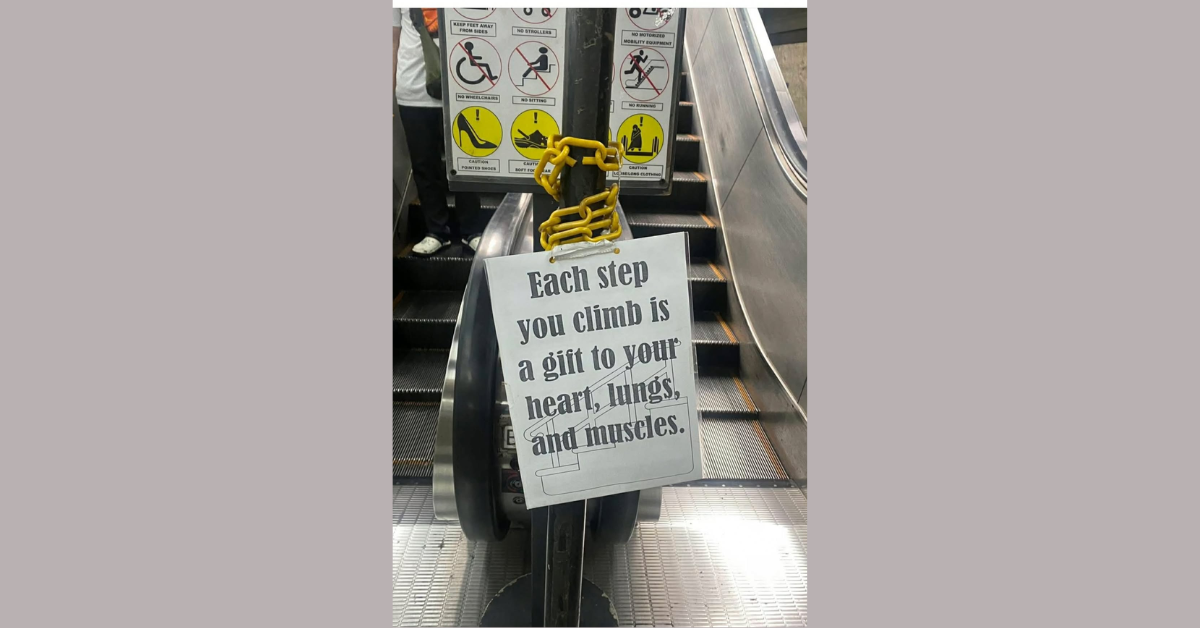
MANILA, Philippines, Feb. 10, 2026 — The Metro Rail Transit Line 3 (MRT-3) management has apologized after a signage posted at the Shaw Boulevard Station escalator drew heavy criticism online, with commuters accusing officials of “gaslighting” passengers instead of fixing broken facilities.
The sign, which quickly went viral on social media, read: “Each step you climb is a gift to your heart, lungs, and muscles.” Netizens slammed the message as tone-deaf, arguing that it trivialized the daily struggles of commuters who endure long lines, crowded trains, and malfunctioning escalators. “Pagod ka na nga sa walking eh, tas may ganyan ka pang mababasa,” one commuter commented, echoing the frustration of many.
The Department of Transportation (DOTr) and MRT-3 management clarified that the signage was unauthorized and had been put up by a station supervisor without approval. In a statement, officials said, “Upon learning about this, we immediately took (the sign) down as it does not reflect the official position of the transport agency.” They stressed that the message was not intended to invalidate commuter concerns, particularly regarding accessibility and safety.
Despite the apology, the incident has reignited public debate over the state of the MRT-3’s facilities. Many commuters pointed out that escalators and elevators at several stations have long been in disrepair, forcing elderly passengers, persons with disabilities, and tired workers to climb stairs daily. Critics argue that instead of posting motivational signs, authorities should prioritize maintenance and modernization of the transit system.
The MRT-3 has been undergoing rehabilitation in recent years, with new train sets and track replacements improving service reliability. However, commuters say that basic amenities such as escalators and elevators remain neglected. The viral signage has become a symbol of the disconnect between management and the realities faced by passengers.
Public Transport Fails, Then Blames the Body
Public transport is supposed to reduce strain, not transfer it onto commuters. When escalators break and elevators fail, the burden shifts from infrastructure to human bodies, turning fatigue into an unpaid cost of mobility.
The viral MRT-3 signage reflects how institutions sometimes reframe inconvenience as personal wellness. Instead of addressing accessibility gaps, the message romanticized hardship, suggesting that passengers should treat malfunctioning facilities as a benefit rather than a failure of service.
If commuters are expected to adapt to broken systems daily, at what point does inconvenience become institutional neglect?
Image from Facebook