
Will millions of Filipino jobs be lost over rising PH-China tensions?
Robel A. Almoguerra • Ipinost noong 2026-02-13 22:14:10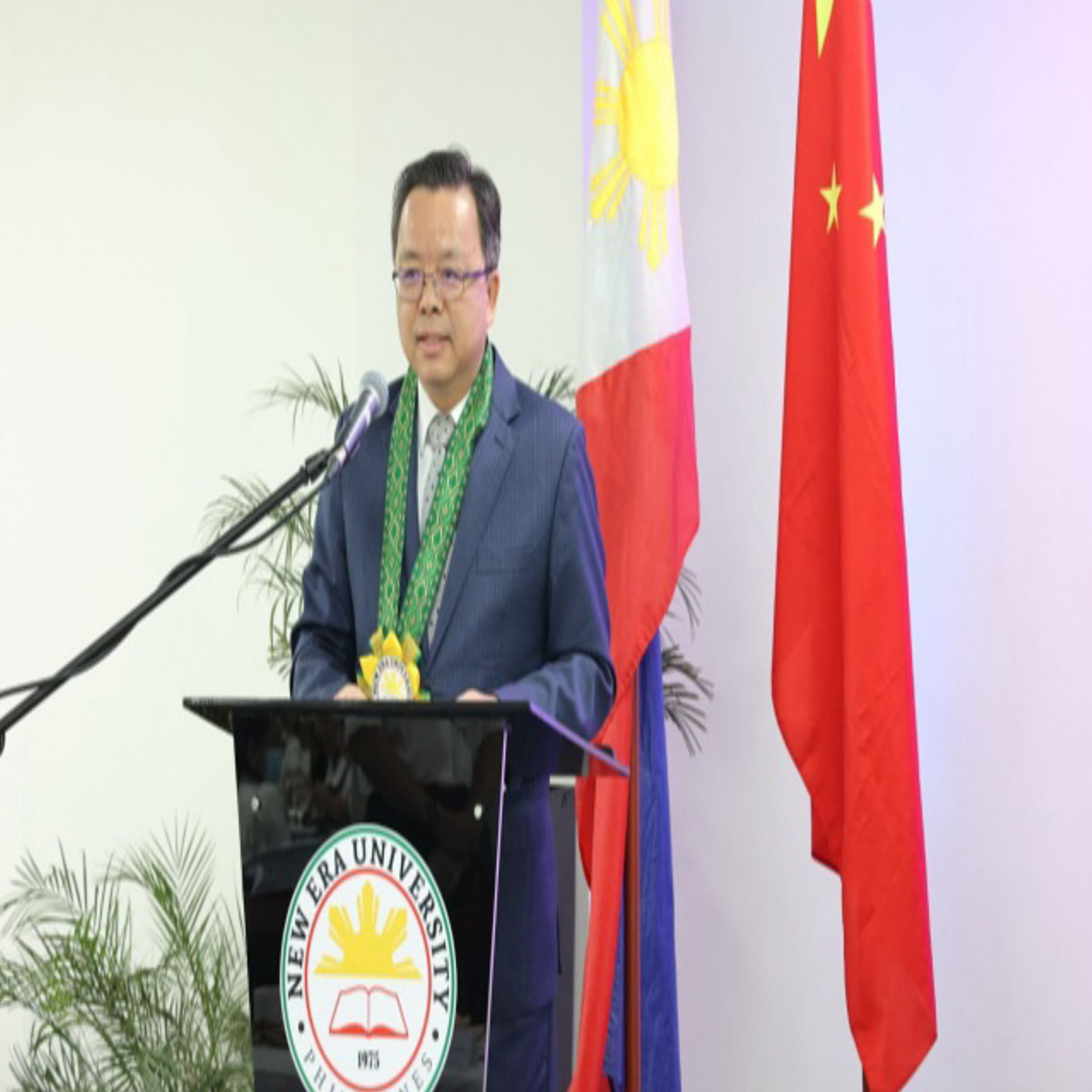
MANILA, Philippines — Diplomatic tensions between the Philippines and China have once again intensified, this time following a sharply worded warning from the Chinese Embassy in Manila. In a statement attributed to embassy spokesperson Ji Lingpeng, the mission cautioned that any serious downgrading of diplomatic ties could cost “millions of jobs” for Filipinos — a claim that immediately stirred political and public reaction.
The warning came after members of the Senate of the Philippines, led by Vicente "Tito" Sotto III, passed Resolution No. 256 condemning remarks previously issued by the embassy regarding the Philippines’ stance in the West Philippine Sea dispute. Beijing described the Senate’s move as a “political stunt,” prompting Sotto to fire back that “respect begets respect,” and that diplomacy should not be confused with intimidation.
In its latest statement, the Chinese Embassy went further, criticizing certain politicians as behaving “like children playing house” when handling serious diplomatic affairs. The rhetoric on both sides has grown increasingly sharp — a sign that tensions are no longer confined to quiet diplomatic channels but are now playing out in the public arena.
Beyond the verbal sparring lies a deeper question: how intertwined are sovereignty and economic survival? China remains one of the Philippines’ largest trading partners, a major source of imports, infrastructure financing, and tourism flows. The embassy’s warning suggests that economic interdependence could become leverage in geopolitical disagreements.
However, critics argue that framing sovereignty issues in purely economic terms risks placing a price tag on national dignity. While economic consequences are real in any diplomatic fallout, sovereignty disputes in the West Philippine Sea are equally about territorial rights, maritime resources, and international law.
This episode underscores the delicate balancing act Philippine leaders face: protecting national interests while maintaining pragmatic economic ties. Heated rhetoric may energize domestic audiences, but it also raises the stakes diplomatically. As tensions continue to simmer, the central dilemma remains: can a nation defend its sovereignty without risking economic repercussions — or must it choose between principle and prosperity? (Larawan mula: https://ph.china-embassy.gov.cn/eng/)