
‘Wala akong kinalaman’: Aguirre rejects drug war tag, says he’ll face ICC head-on
Marijo Farah A. Benitez • Ipinost noong 2026-02-15 17:27:37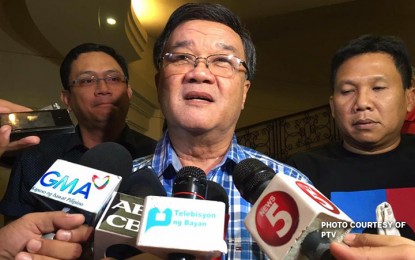
FEBRUARY 15, 2026 — Vitaliano Aguirre II isn’t backing down, apparently. The former Justice Secretary under Rodrigo Duterte is now in the hot seat after being named by the International Criminal Court (ICC) as one of the alleged co-conspirators in the bloody war on drugs. But Aguirre is hitting back hard, denying any role in extrajudicial killings and daring the ICC to come for him.
“Wala akong kinalaman sa akusasyon nila sa akin ng crimes against humanity. I did nothing wrong,” Aguirre declared.
(I have nothing to do with their accusations against me of crimes against humanity. I did nothing wrong.)
That’s a bold statement, considering the ICC’s lesser redacted document now puts Aguirre alongside big names like Sen. Ronald “Bato” Dela Rosa, Sen. Bong Go, and former PNP chiefs Oscar Albayalde and others. The prosecution claims these officials shared a “common plan” to neutralize alleged criminals through violent crimes, including murder.
Aguirre’s response? Pure denial.
“Imbento lang ‘yan ng mga nagpo-prosecute sa akin,” he maintained.
(That’s just made up by those prosecuting me.)
He insists his only link to Duterte’s case was his role as a lawyer back in 2009, when he represented Duterte and suspected members of the Davao Death Squad.
“But I was just exercising my profession as a lawyer and nothing is wrong with that. I never conspired or participated in any extrajudicial killings,” Aguirre said.
He adds that at the time, the Philippines wasn’t even an ICC member.
Fast forward to his stint as Justice Secretary from June 2016 to April 2018, Aguirre claims he never supported or implemented extrajudicial killings. In fact, he says he became an “instrument” of justice when police officers were convicted in the killings of teenagers Kian delos Santos, Carlos Arnaiz, and Reynaldo “Kulot” de Guzman.
“After the meeting [with the victims’ families], the policemen involved in their killings were all tried and convicted by the courts,” he pointed out.
But here’s the catch: Aguirre himself once said in 2017 that criminals and those involved in the drug trade are “not part of humanity.” That chilling remark still echoes today, raising eyebrows about whether his denial now matches his past rhetoric.
When asked what he would do if the ICC issues a warrant, Aguirre was defiant.
“Hindi ako magtatago kailanman. Nandito lang ako,” he declared.
(I will never hide. I’m just here.)
He vows to resist legally, hoping the Supreme Court will clarify how the Philippines should respond to ICC warrants.
“Ano ba ang dapat gawin? Dapat bang sundin o dapat ba nating gamitin ‘yung inilabas nilang rules tungkol sa extradition?” he asked.
(What should be done? Should we follow or should we use the rules they released on extradition?)
So where does this leave us? On one hand, Aguirre paints himself as a man wrongly accused, even highlighting his role in convicting abusive cops. On the other hand, the ICC sees him as part of a machinery that enabled state-sanctioned violence.
The war on drugs claimed thousands of lives. Families are still grieving. The ICC is pushing for accountability.
Is Aguirre standing tall, or just standing in the way?
(Image: Philippine News Agency)