
Pampanga’s longest ‘Kristo’ finally lays down his cross after 37 years
Marijo Farah A. Benitez • Ipinost noong 2026-04-03 16:00:56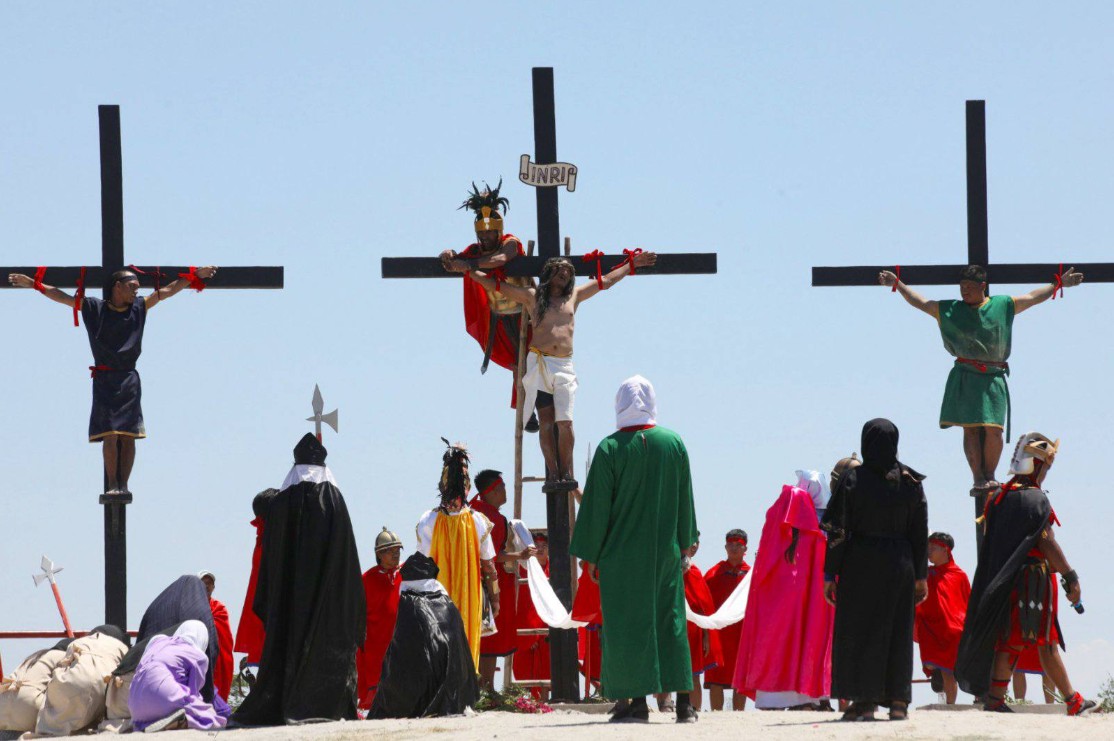
APRIL 3, 2026 — Ruben Enaje, the man who turned crucifixion into a living devotion for nearly four decades, has finally laid down his cross in Pampanga. His 37th and last Good Friday crucifixion in San Pedro Cutud marks the end of an era that has fascinated, shocked, and stirred debate among Filipinos and the world.
Ruben Enaje, a 65-year-old painter and billboard maker from San Fernando, Pampanga, first took on the role of Kristo in 1986 after surviving a fall from a three-story building. What began as a nine-year vow of thanksgiving stretched into 37 years, extended for his wife’s health, his daughter’s struggles, and eventually because no one else in the community could embody the role with the same respect and discipline.
He became the longest-practicing “Kristo” in Philippine history, surpassing his predecessor Chito Sangalang’s 25 years.
Enaje’s crucifixions were not theatrical illusions — they involved real nails driven into his palms, real crosses carried under the scorching sun, and real pain endured without pay.
The final act
This Good Friday, April 3, 2026, Enaje asked for a gentler farewell: no whipping, no slapping, no kicks from the “Roman soldiers.” Only his palms were nailed, sparing his feet. He carried a lighter 20-kilo cross instead of the usual 37. His prayer this time? World peace.
“Only three countries are in conflict, yet they affect the whole world,” he said.
His wife Juanita, who has long pleaded for him to stop, finally saw her wish granted. The city council honored him with Resolution No. 071, declaring him a “Fernandino cultural treasure” for his extraordinary contribution to heritage through the annual Via Crucis.
So who takes the cross next?
Barangay Captain Fem Dela Cruz confirmed that Arnold Maniago, 47, will succeed Enaje as Kristo. Maniago has waited years for this chance, and seven other men have registered to be crucified, subject to health checks. The ritual, which began in 1962 with healer Artemio Anoza, continues to draw 5,000–10,000 flagellants and thousands of tourists every year.
So is this devotion a cultural gem or a spectacle of pain? On one hand, Enaje’s crucifixions have become a global curiosity, putting Pampanga on the map every Holy Week. On the other, critics argue it borders on exploitation — tourists snapping photos while devotees bleed under the sun.
Yet, for many locals, it’s not about shock value. It’s about faith, ‘panata’, and a community’s identity. Enaje’s farewell reminds us that traditions evolve, but the hunger for meaning, sacrifice, and spectacle remains.
So as Ruben Enaje finally steps down after 37 years of nails and crosses, do you think Filipinos will continue to embrace crucifixion as faith — or will we finally start questioning if pain should still be our proof of devotion?
(Image: Philippine News Agency | Facebook)