
Palace pledges Interpol cooperation after ICC tags Duterte's allies — déjà vu?
Marijo Farah A. Benitez • Ipinost noong 2026-02-17 08:28:37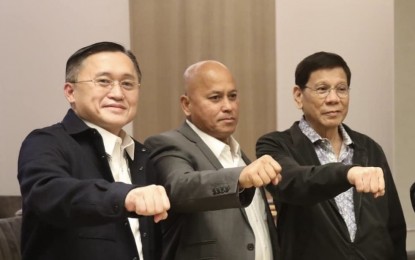
FEBRUARY 17, 2026 — Malacañang has once again vowed to cooperate with Interpol after the International Criminal Court (ICC) dropped a bombshell document naming former President Rodrigo Duterte’s alleged co-perpetrators in the bloody war on drugs. If this sounds familiar, that’s because it is. Remember March last year, when Duterte himself was arrested and surrendered to the ICC with Interpol’s hand right in the mix? The Palace says it’s the same drill all over again.
Presidential Communications Office Undersecretary Claire Castro insisted, “‘Yun po ang nangyari before at ‘yan din po ang mangyayari ngayon.”
(That’s what happened before and that’s what will happen now.)
She added that the government won’t meddle in ICC processes, stressing that the case was filed way back in 2017, long before President Marcos Jr. took office. In short, the Palace is saying: we’ll let the process run its course.
But here’s where the déjà vu hits harder. The ICC drags into the spotlight names we know all too well: Senator Ronald dela Rosa, Senator Christopher Lawrence “Bong” Go, former PNP chiefs Oscar Albayalde and Camilo Cascolan, plus other high-ranking officials like Dante Gierran, Isidro Lapeña, and Vitaliano Aguirre II. These aren’t background players; they were front and center in shaping and defending the drug war.
No arrest warrants have yet been issued against them.
The charges against Duterte are chillingly specific: murders in Davao during his mayoral days, killings of “high-value targets” during his presidency, and barangay clearance operations that allegedly turned into bloodbaths. These are all tied to real communities, real families, real lives lost.
Now, here’s the twist. The Philippines may have withdrawn from the Rome Statute in 2019, but the Supreme Court ruled in 2021 that withdrawal doesn’t erase accountability for crimes committed while we were still a party. That’s why we can’t just shrug this off. Cooperation with Interpol isn’t optional — it’s a legal obligation.
So what does this mean for us? On one hand, it shows the government is willing to play ball internationally, which could boost credibility abroad. On the other hand, it forces us to confront the uncomfortable truth: Will this cooperation finally deliver justice for victims, or will it be another round of political theater where the powerful remain untouchable?
President Marcos Jr. has stayed silent on rejoining the ICC, and that silence speaks volumes. Is it caution, or reluctance to reopen wounds that still divide the nation?
Same script, different actors — but is this the rerun that finally changes the ending?
(Image: Philippine News Agency)