
1,400 Pinoys beg for way home amidst Middle East chaos — Marcos says ‘we will find ways’
Marijo Farah A. Benitez • Ipinost noong 2026-03-04 17:17:18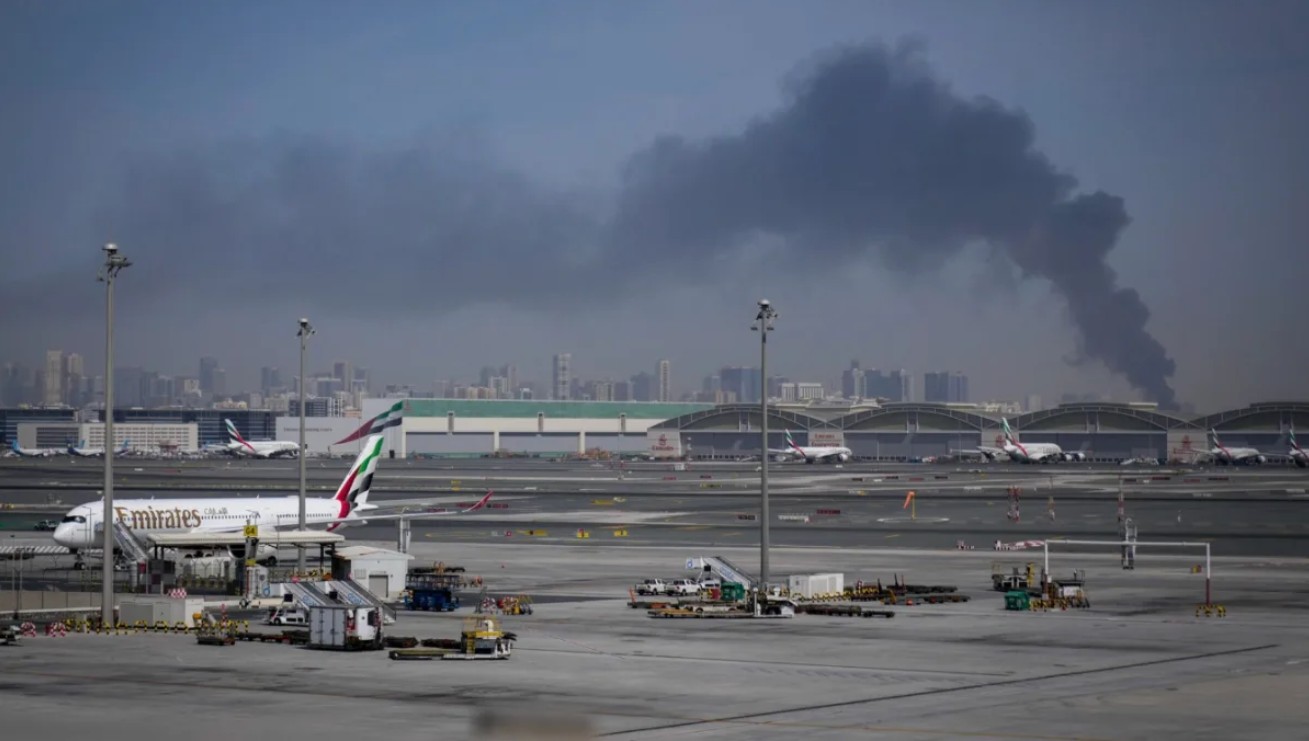
MARCH 4, 2026 — More than 1,400 Filipinos scattered across the Middle East are desperate to come home — but the skies are closed, the airports are under attack, and the roads are burning.
President Ferdinand Marcos Jr. himself admitted the grim reality: “Ito ngayon ang problema. Ang problema, walang lumilipad na eroplano. At yung mga airport ay tinatamaan na.”
(This is the problem now. The problem is, no planes are flying. And the airports are being hit.)
From Dubai to Israel, Bahrain to Abu Dhabi, the numbers are staggering: 586 in Dubai, 270 in Abu Dhabi, 231 in Bahrain, 297 in Israel, 22 in Jordan, and 10 in Iran. That’s 1,416 Filipinos begging for a way out of chaos. But with airports turned into no-fly zones and missiles raining down, even chartered planes can’t get through.
Marcos laid it bare, saying “Kahit na kaya nating kumuha ng eroplano at ipasok, wala tayong magagawa dahil number one, the airports are closed. They are all no-fly zones. This is a combat area.”
The President warned that even commercial flights could be mistaken for military targets. Land travel? Also dangerous. Fire incidents and active combat zones make every route a gamble.
“That’s what we are worried about,” he said.
So what’s the plan? For now, the government is telling Filipinos abroad to stay indoors, stay safe, and wait.
“We will slowly try to find ways for those who want to be repatriated, we will find ways to get you out safely,” Marcos promised.
The unfortunate thing is, for decades, overseas Filipino workers have been hailed as heroes, their remittances keeping our economy alive. Yet when war erupts, they’re left stranded, vulnerable, and praying for rescue.
Marcos admitted Israel is the most dangerous spot right now, but at least bomb shelters exist there. For the hundreds in Dubai and Abu Dhabi, the fear is different — uncertainty, isolation, and the gnawing question of when they’ll see home again.
The government says it’s in constant contact with labor attachés, ambassadors, and defense officials. Allies like the United States and Israel are giving advice, but advice doesn’t move planes. Advice doesn’t open airports. Advice doesn’t bring our kababayans home.
The Middle East crisis exposes the cracks in our system. Every time conflict flares, we scramble. We talk about contingency plans, but the reality is always the same: stranded Filipinos, closed airports, dangerous roads, and families back home waiting for news.
Our OFWs deserve more than reassurances. They deserve action. They’ve given years of sacrifice, endured homesickness, and carried the weight of our economy. Now, when they need us most, the Philippines must prove it will not abandon them.
The situation is fluid, yes. The risks are high, yes. But the bigger risk is losing the trust of the very people we call our modern-day heroes.
Do you believe Marcos is doing enough to bring our stranded kababayans home, or should he be pushing harder despite the risks?
(Image: Yahoo)