
PAGASA warns of possible El Niño return — heat crisis looming?
Margret Dianne Fermin • Ipinost noong 2026-03-04 12:13:26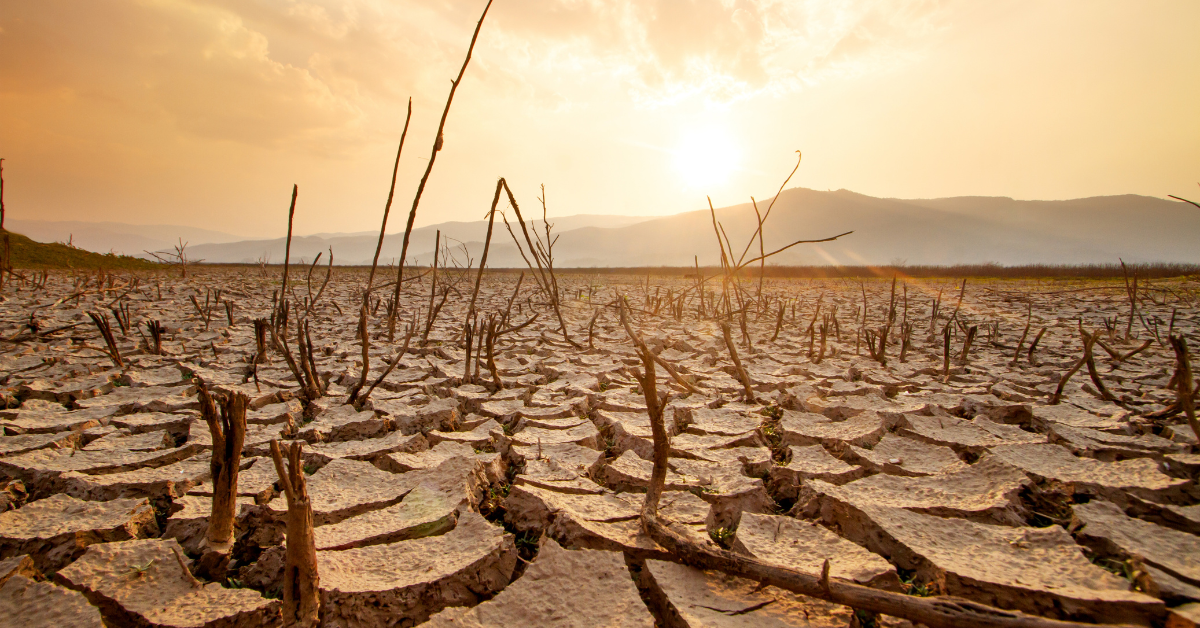
MANILA, Philippines — March 3, 2026 — The Philippine Atmospheric, Geophysical and Astronomical Services Administration (PAGASA) announced that it is closely monitoring the potential development of El Niño this year, warning of possible extreme heat and prolonged dry conditions across the country.
State meteorologists explained that the weakening of La Niña conditions earlier in 2026 has increased the likelihood of a transition to neutral weather patterns, which could pave the way for El Niño by midyear.
PAGASA’s Climate Monitoring and Prediction Section Chief Ana Liza Solis said, “Since we started monitoring the potential development of El Niño in December 2025, we have seen the increasing probability of getting it this year, at least by August-September-October season.”
On Monday, seven areas in the Philippines recorded heat indices between 40 and 41 degrees Celsius, levels categorized as “danger.” PAGASA Assistant Weather Services Chief Jorybell Masallo cautioned, “When you are outdoors and it’s 40 to 41 degrees, we categorize that as ‘danger.’ This is alarming.”
The agency added that perceived temperatures could rise to as high as 52 degrees Celsius in the coming months. PAGASA stressed that temperatures of 50 degrees Celsius and above fall under “extreme danger,” posing serious risks to outdoor workers, the elderly, and those with pre-existing health conditions.
The last El Niño event, which lasted from July 2023 to June 2024, caused widespread drought, water shortages, and agricultural losses across the Philippines. Officials are urging communities to prepare for similar impacts should the 2026 event materialize.
PAGASA continues to monitor sea surface temperatures and atmospheric conditions in the Pacific and has committed to releasing regular updates to guide government agencies, farmers, and the public in mitigating the possible effects of El Niño.
This developing climate situation underscores the importance of early preparation, as the Philippines braces for potentially severe heat and water scarcity in the months ahead.