
Cute but dangerous: Metro Manila's squirrel invasion is worse than you think
Marijo Farah A. Benitez • Ipinost noong 2026-04-19 07:05:56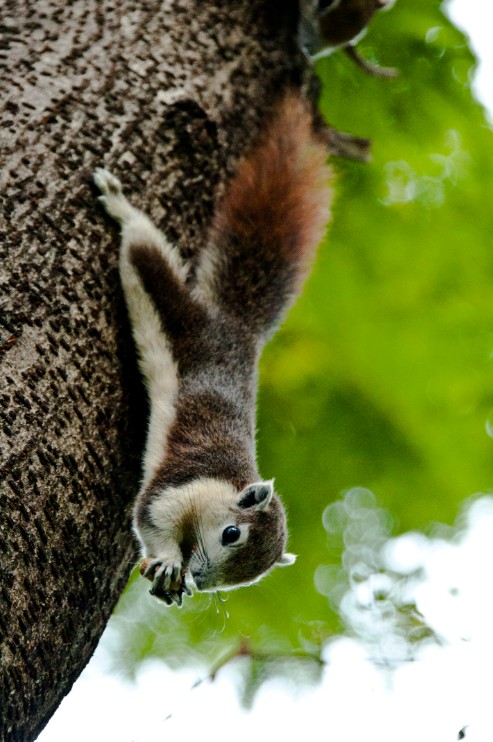
APRIL 19, 2026 — Those adorable squirrels taking over Metro Manila? they're actually a problem. Yes, they're cute. They're fast. They look like they jumped straight out of an animated film. But before you feed that squirrel darting across your campus or village park, here's what you need to know — it doesn't belong here.
The DENR raised the alarm on April 16, confirming reports of Finlayson's squirrels spotted across Metro Manila, "from campuses to city parks." And this isn't a new story. Squirrel sightings were first reported as far back as 2007, and the critters have been quietly multiplying ever since.
The DENR stressed that the squirrel is not native to the Philippines and is considered an invasive species that could pose risks to local ecosystems.
"While every wildlife species has inherent value, this squirrel is an invasive species that may threaten local ecosystems, and its presence is not promoted," the agency said.
So where did they come from? Some believe this type of squirrel may have arrived in the country due to the illegal pet trade. Someone likely bought them, got tired of them, and let them loose. Now they're everyone's problem.
And the threat is real. Finlayson's squirrels have successfully established breeding populations in Metro Manila, specifically in areas with sprawling tree vegetation, like Dasmariñas Village in Makati, the Ninoy Aquino Parks and Wildlife Center in Quezon City, and Alabang Hills Village in Muntinlupa. Worse, the proliferation is now reportedly spreading fast to Batangas and Nueva Ecija.
A single female squirrel can produce as many as 10 offspring a year. And because they are an invasive species, they have no natural predators, and could seriously disrupt the ecosystem.
Here's the tricky part though — we can't just panic and go scorched earth on these animals. They're living creatures, and any response must be measured, humane, and science-based. Relocation, fertility control, habitat management — these options deserve serious exploration before anything drastic is considered.
What we absolutely need right now is stricter enforcement against the illegal pet trade, coordinated inter-agency action, and a public that stops feeding them out of sheer kilig.
If we've been sitting on this problem since 2007 and it's still spreading, what does that say about how seriously we take biodiversity protection in this country?
(Image: Wikipedia)