
Electric patrol cars: a bold idea or a risky gamble?
Marijo Farah A. Benitez • Ipinost noong 2026-03-05 17:10:27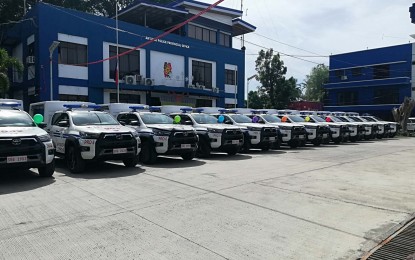
MARCH 5, 2026 — The Philippine National Police (PNP) is seriously considering electric patrol cars as oil prices threaten to spike due to Middle East tensions, a move that could reshape law enforcement mobility in the country. The plan is still under study, but the conversation it sparks — about cost, sustainability, and public safety — is one we should not ignore.
The PNP, led by Gen. Jose Melencio C. Nartatez Jr., has openly admitted that the agency’s dependence on fuel is a vulnerability.
“For an agency that is dependent on fuel in its daily operation, we view the Middle East tensions as a wake-up call for us to revisit the policy on patrol vehicle procurement,” Nartatez said.
The PNP knows that every peso added to fuel costs eats into operational budgets that could otherwise go to training, equipment, or community programs.
The idea of electric patrol cars isn’t just about saving money but about future-proofing. Experts have warned that prolonged conflict in the Middle East could disrupt global oil supply chains, pushing prices higher and straining economies like ours. For the PNP, that means ballooning expenses every time patrol units hit the road.
The promise and the pitfalls
Electric vehicles (EVs) offer clear advantages: lower operating costs, reduced emissions, and less dependence on volatile oil markets. Imagine patrol cars quietly cruising through Metro Manila, cutting down on pollution while saving taxpayer money. It’s a vision that aligns with global trends toward greener policing.
But here’s the catch: police work demands speed, reliability, and endurance.
Nartatez himself stressed, “Part of the study is its operational suitability, public safety remains the top priority.”
Because if EVs can’t keep up with the chase or fail in emergencies, the experiment collapses.
What this means for us
This move signals two things: first, that even institutions like the PNP are feeling the pinch of global oil politics; second, that the government is at least exploring alternatives that could benefit both the environment and the budget. The discourse here isn’t just about patrol cars but about how national security adapts to global crises.
The question now is whether the PNP will push through with electric patrol cars or retreat to the comfort of gasoline engines. Either way, the public deserves transparency on the costs, benefits, and risks.
Do you believe these vehicles can truly keep up with the demands of chasing suspects, responding to emergencies, and safeguarding communities — or will they end up as shiny but impractical symbols stowed away in some garage?
(Image: Philippine News Agency)