
Stay home, save power: Yamsuan pushes digital shift amid fuel fears
Marijo Farah A. Benitez • Ipinost noong 2026-03-05 06:26:25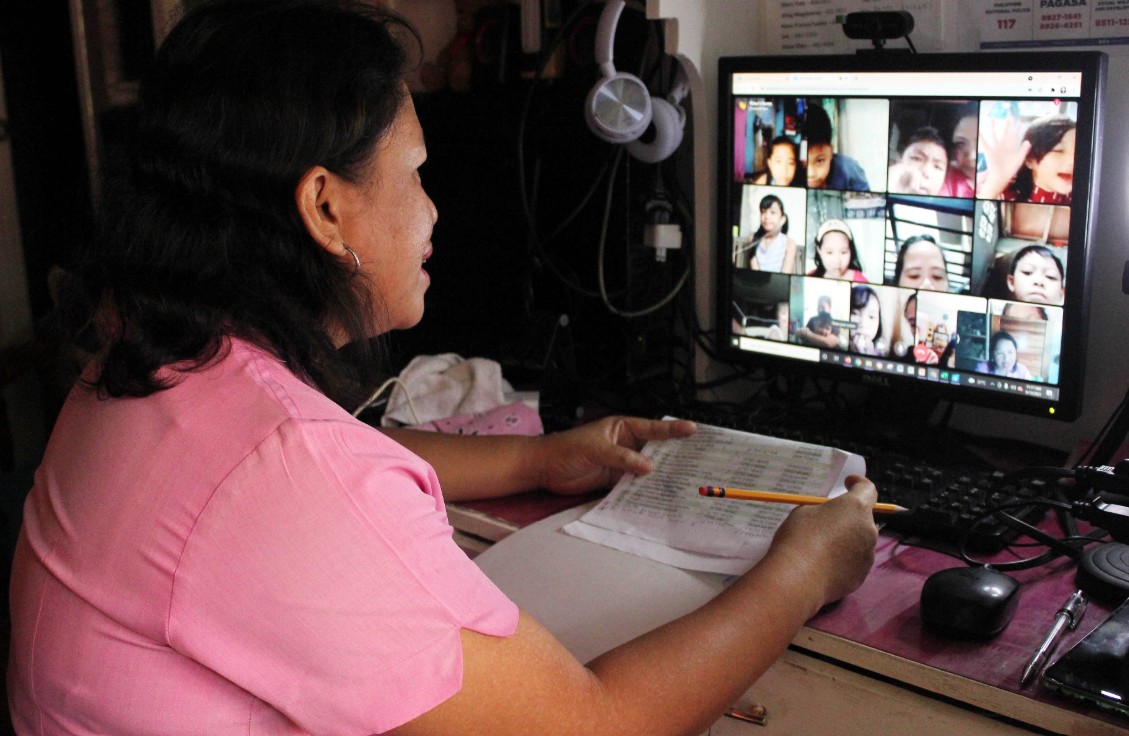
MARCH 5, 2026 — Parañaque 2nd District Rep. Brian Raymund Yamsuan has thrown a timely idea into the public arena: why not bring back work-from-home setups and online classes to cushion Filipinos from the looming oil price surge? With tensions in the Middle East threatening to push global fuel costs higher, Yamsuan’s proposal feels less like nostalgia for pandemic-era routines and more like a pragmatic survival strategy.
The lawmaker argued, “We should act fast to ease the burden on our countrymen if oil prices continue to spike. We call on the government and the private sector to start planning the temporary transition to work-from-home setups for employees, and for schools to prepare for online classes.”
The backdrop is grim. The United States and Israel’s strikes on Iran in late February triggered retaliatory drone and missile attacks across Gulf states, rattling the world’s oil hub. Analysts like Amena Bakr of Kpler expect Brent crude to hover between $85 and $90 per barrel — a sharp climb from $61 at the start of the year.
For us here in the Philippines, that means pricier jeepney fares, higher Grab rates, and tighter household budgets. The transport sector, Yamsuan warns, will be “among the first to feel the impact of fuel price shocks.”
Interestingly, Malacañang is also weighing energy-saving measures. Palace press officer Claire Castro said President Ferdinand Marcos Jr. may study a four-day workweek proposal. Meanwhile, Marikina Rep. Miro Quimbo has filed House Bill No. 8257, seeking to give the President authority to suspend excise taxes on petroleum products when warranted. Marcos himself has signaled he will ask Congress for emergency powers to reduce fuel taxes if the crisis worsens.Inquirer.net
Yamsuan’s suggestion isn’t just about saving pesos at the pump. It’s about reimagining how Filipinos work and study in times of global volatility. We’ve already proven during the pandemic that remote setups can function, albeit imperfectly. The question now is whether we can mobilize quickly enough to soften the blow of another external shock.
Of course, skeptics will point out the downsides: unreliable internet, unequal access to gadgets, and the blurred lines between work and home life. But in a country where commuters spend hours stuck in traffic and students often struggle with transport costs, the idea of cutting back on daily travel feels like common sense.
It’s not a permanent fix, but it’s a band-aid solution that buys us time while government policies on fuel taxes and energy conservation take shape.
We are no strangers to resilience. We’ve adapted to typhoons, pandemics, and inflation. The bigger challenge now is whether our leaders can act with the same urgency Yamsuan is calling for. Because when oil prices spike, it’s not just about numbers on a global chart — it’s about the tricycle driver in Parañaque, the office worker in Makati, and the student in Quezon City who suddenly find their daily routines unsustainable.
Are we ready to trade the daily grind of commuting for a digital lifeline if it means keeping our wallets — and our sanity — intact?
(Image: Philippine News Agency)