
Marcos Jr. orders free calls for OFWs caught in Middle East conflict
Marijo Farah A. Benitez • Ipinost noong 2026-03-10 14:03:37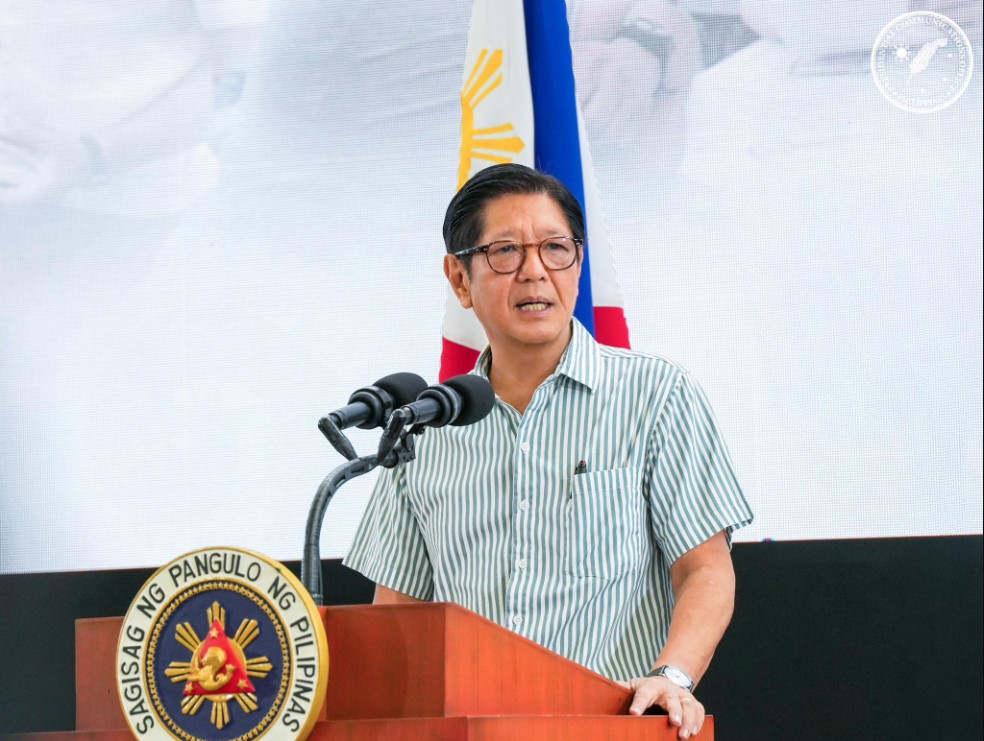
MARCH 10, 2026 — President Ferdinand Marcos Jr. has just announced something that will surely tug at the hearts of millions of Filipino families: free calls to the Middle East. In his words, “I have directed our telecommunications companies to provide free communication services between our OFWs and their families here in the Philippines.”
The Libreng Tawag Program is now active, covering countries like Iran, Iraq, Bahrain, Kuwait, Oman, Qatar, the UAE, and Saudi Arabia. Telcos are setting up free call stations in malls so families can connect without worrying about the cost.
Marcos framed it as “critical support” for overseas Filipinos caught in the middle of escalating tensions. With airstrikes, retaliations, and instability across the region, the ability to hear a loved one’s voice is both comfort and confirmation of safety.
Around 2.5 million Filipinos live and work across the Middle East. Those are our nurses, engineers, domestic workers, and seafarers. Every kababayan abroad represents a family here at home, anxiously waiting for updates. In times of conflict, communication is survival.
But while free calls are a welcome move, they don’t erase the bigger picture. Repatriation, which remains a thorny issue.
The Department of Migrant Workers reported that 90 OFWs from the UAE have safely returned, bringing the total number of assisted Filipinos to over 400 since the Iran conflict erupted. Migrant Workers Secretary Hans Cacdac even floated the idea of chartered flights for future repatriations. Yet, the reality is sobering: with millions still in the region, the government’s task is far from over.
So yes, free calls matter. They ease the burden, they soothe worried hearts, and they remind us that the government is paying attention. But let’s not mistake this for a long-term solution. Connectivity is one thing; safety and security are another. The challenge now is ensuring that beyond the phone lines, our OFWs have a clear path home if the situation worsens.
(Image: Presidential Communications Office | Facebook)