
DepEd studies 4+1 blended learning model to ease classroom congestion
Margret Dianne Fermin • Ipinost noong 2026-03-11 12:33:28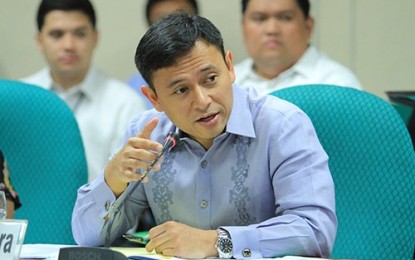
The Department of Education (DepEd) is considering a “4+1” blended learning model—four days of in-person classes and one day of online learning—to ease classroom congestion across the Philippines, as Education Secretary Sonny Angara pushes for solutions to the country’s persistent classroom shortage.
MANILA, March 11, 2026 — DepEd confirmed that the proposed scheme was presented during the General Assembly of the League of Municipalities of the Philippines in Pasay City, where Angara urged more than 1,300 mayors to work with the national government in addressing overcrowded schools.
“We are looking at a 4+1 blended learning model to help decongest classrooms while we accelerate construction,” Angara said, stressing that the plan is among several strategies being explored.
The blended learning proposal comes as the department faces a daunting infrastructure gap. Despite receiving the largest allocation in the 2026 national budget—amounting to P1.015 trillion—DepEd admits that classroom repair and rehabilitation remain central priorities. The shortage has left many schools with packed classrooms, affecting the quality of education.
Angara explained that the “4+1” model would allow students to attend classes on-site for most of the week while dedicating one day to online learning. This approach, he said, could reduce congestion without compromising instructional time.
He also noted that DepEd is exploring other measures, including expanding vouchers to primary education, leasing foreclosed private properties to add classrooms, and mobilizing private sector donations to create additional learning spaces.
The proposal has sparked discussions among educators and parents, with some welcoming the flexibility of blended learning while others raising concerns about internet access and digital readiness in rural areas. Angara acknowledged these challenges but emphasized that the model is still under study and would be piloted before wider implementation.