
Marcos sends rescue flights: OFWs rushing home from war-torn Middle East
Marijo Farah A. Benitez • Ipinost noong 2026-03-11 12:37:32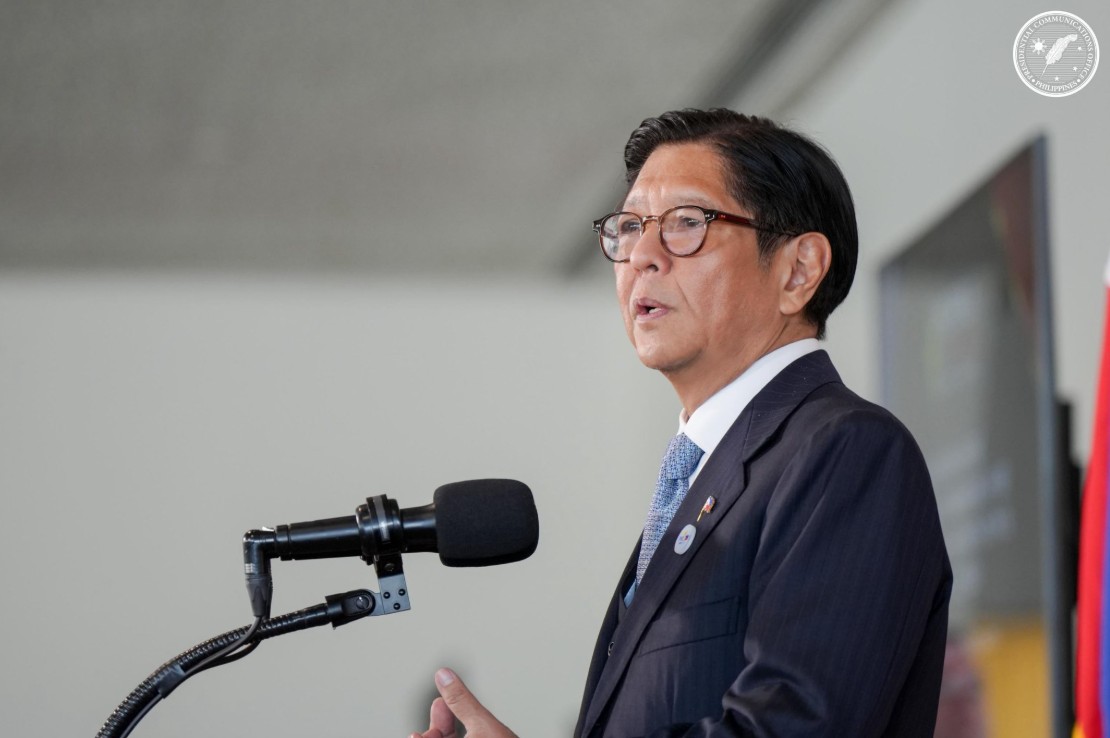
MARCH 11, 2026 — Planes are being scrambled, routes mapped, and officials dispatched — all to bring our kababayans home from the chaos of the Middle East. President Ferdinand Marcos Jr. has ordered chartered flights to ferry overseas Filipino workers (OFWs) back to safety, a move that underscores just how urgent the situation has become.
The President, speaking in New York before flying back to Manila, didn’t sugarcoat the limits of Philippine power abroad, saying, “And to protect them … we have to depend on the locals, the local authorities dahil wala naman tayong military doon, wala naman tayong police doon, wala naman tayong courts doon (because we do not have military, police, or courts there).”
In short, our workers are shielded by host governments, but when danger escalates, Manila’s role is clear — get them home.
Here’s the plan: one charter flight from Riyadh to scoop up Filipinos from Saudi Arabia, Kuwait, and Bahrain, and another from Fujairah in the UAE to carry those based in Dubai and nearby areas. The Department of National Defense and Civil Aviation Authority of the Philippines are on standby to assist, while Department of Migrant Workers (DMW) Secretary Hans Cacdac is set to personally fly to Dubai to oversee the operation.
Already, groups of Filipinos are making their way across land borders to safer zones where they can board these flights. A batch from the UAE was expected to arrive within the day, while 16 Filipinos from Israel were scheduled to land the following night. The Fujairah flight is targeted for March 13, with arrival in Manila by late evening or early morning of March 14.
Safety first, speed second
Presidential Communications Office Undersecretary Claire Castro explained the President’s caution: “Inalala ng Pangulo ang maaaring danger kung agad-agad maililipad ang ating mga kababayan kung patuloy ang pagbobomba o ‘yung mga air attacks sa pagitan ng mga bansa na kinapalolooban po sa Middle East.
(The President considered the possible danger if our compatriots are flown out immediately while bombings or air attacks continue in the Middle East.)
Simply put, the president surmised that flying out in the middle of airstrikes could be more dangerous than staying put.
That’s why Marcos convened a special Cabinet meeting as soon as tensions spiked, hammering out strategies for repatriation. So far, around 400 OFWs and their dependents have already been brought home, greeted by DMW and Overseas Workers Welfare Administration personnel upon arrival.
For us watching from home, this isn’t just another headline. It’s a reminder of how deeply our national story is tied to the diaspora. Every family knows someone abroad, every barangay has its share of breadwinners sending remittances. And when war erupts, their vulnerability becomes our collective concern.
The charter flights are more than logistics — they’re symbols. They show that the government can mobilize when lives are on the line, that OFWs aren’t just economic lifelines but human beings whose safety matters. It’s a rare moment when bureaucracy bends toward compassion.
Do you see this move as a timely lifeline for our OFWs, or does it feel like the government is playing catch-up when the danger has already hit home?
(Image: Presidential Communications Office | Facebook)