
No fines, no rules? Congresswoman wants 2-week traffic law holiday — a recipe for chaos!
Marijo Farah A. Benitez • Ipinost noong 2026-03-12 18:44:22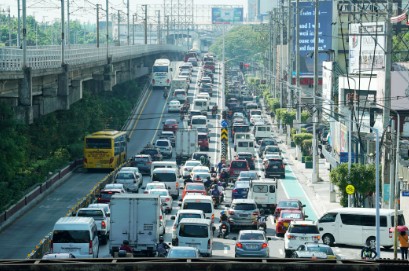
MARCH 12, 2026 — A congresswoman’s plea to suspend traffic fines for two weeks amid soaring fuel prices has sparked debate: Is this compassion for struggling motorists or a dangerous invitation to lawlessness?
‘Kahit 2 weeks lang’: the absurdity of pausing traffic fines
Swerte party-list Rep. Arlyn Ayon recently asked the Land Transportation Office (LTO) to stop apprehending traffic violators for two to three weeks, citing the burden of rising fuel prices on ordinary Filipinos.
“Puwede ba natin no apprehension muna for two week or three weeks, for the meantime habang naghihirap yung ating mga tao, habang lubog tayo ngayon sa kahirapan dahil sa sitwasyon natin?” she said during a House Committee on Transportation hearing.
(Can we have no apprehensions first for two or three weeks, just for the meantime while our people are suffering, while we are drowning in poverty because of our current situation?)
Her argument? Parents on single motorcycles ferrying their kids to school shouldn’t be penalized right now. She even cited a supporter whose truck was fined a staggering ₱1 million for operating as a colorum vehicle.
But LTO Assistant Secretary Marcos Lacanilao was firm, saying, “Road safety po ito eh. Yung mga ina-apprehend po namin yung may mga violations. So kung magko-comply po yung mga kababayan natin at hindi po sila gumagawa ng mga traffic violations wala po silang problema samin sa LTO.”
(This is about road safety. Those we apprehend are violators. If our citizens comply and don’t commit violations, they won’t have any problem with us at the LTO.)
Compassion vs. compliance
Here’s the absurdity: if motorists simply follow traffic rules, there’s no apprehension to begin with. So why ask for a “holiday” from enforcement? Does the oil crisis suddenly justify reckless driving, expired licenses, or illegal operations?
Fuel prices are indeed biting hard, driven by global conflicts and supply shocks. Jeepney drivers, delivery riders, and parents on motorcycles are feeling the squeeze. But suspending traffic fines doesn’t lower gas prices — it only risks turning Metro Manila’s already chaotic roads into free-for-all zones.
Moreover, the ₱1-million fine Ayon mentioned wasn’t for a minor lapse — it was for a colorum bus operation, a violation that endangers lives. Imagine if such vehicles were allowed to run unchecked for two weeks. Would we be willing to gamble public safety just to “ease” financial pain?
This proposal also raises a deeper, perplexing question: Are these lawmakers looking for quick populist fixes instead of long-term solutions? Fuel subsidies, fare discounts, or targeted aid could help struggling motorists without dismantling road discipline.
Why this matters
The issue isn’t just about fines — it’s about fairness. Those who follow the rules may feel cheated if violators get a free pass. And if enforcement is paused, what message does that send? That laws are negotiable depending on the price of oil? Absurd.
Rep. Ayon’s request may sound compassionate at the onset, but when her words begin settling in, you’ll quickly realize her plea risks undermining the very principle of road safety. We deserve relief from high fuel costs, yes — but not at the expense of discipline and order on the streets.
Besides, there is no connection at all between these two aspects. Zero road apprehensions will do nothing to improve the oil crisis nor will it ease anyone’s financial burdens (well, except for those hard-headed traffic violators - they get a free pass!).
What do you make of Rep. Arlyn Ayon’s request to suspend traffic fines for two weeks? Is this a genuine act of compassion for struggling motorists, an ignorant, spur of the moment plea, or a reckless shortcut that undermines road safety? Does it reveal empathy for the masses — or a willingness to bend the law for political points?
Because at the end of the day, this isn’t just about fuel prices. It’s about character, accountability, and whether our leaders believe discipline on the road is optional.
What does her proposal tell us about the kind of leader she really is?
(Image: Philippine News Agency)