
Ayuda not just for the poor — DSWD says middle class can line up too
Marijo Farah A. Benitez • Ipinost noong 2026-03-13 16:47:20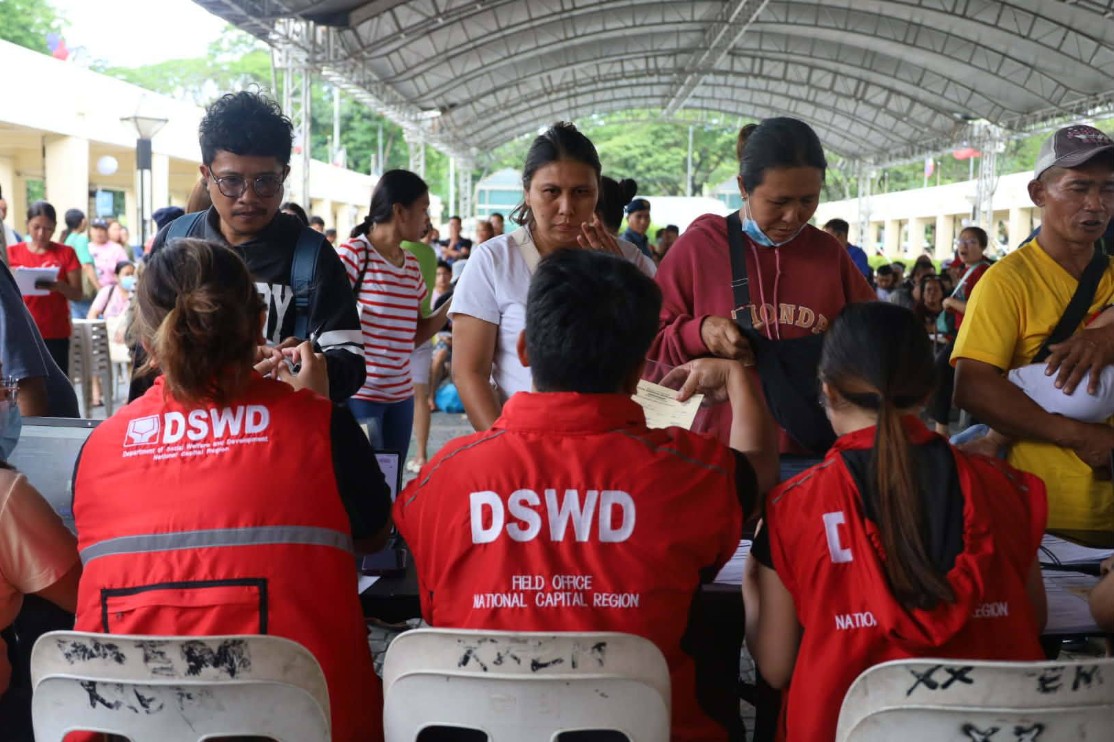
MARCH 13, 2026 — The DSWD has just dropped a clarifying bombshell: ayuda isn’t only for the poorest of the poor — it’s also open to middle-class Filipinos who suddenly find themselves in crisis. This shift in messaging could change how many of us view government assistance, especially now that fuel hikes and rising costs are squeezing households across the board.
For years, many assumed that the Department of Social Welfare and Development (DSWD) was strictly for the marginalized. But Secretary Rex Gatchalian made it clear that the Assistance to Individuals in Crisis Situation (AICS) program is for anyone facing urgent financial distress.
“Akala ng maraming tao ang DSWD para lang sa mahihirap. No. Kapag ikaw ay may krisis na pinagdadaanan, kahit na anong krisis yan — medical, burial, temporary nawalan ka ng trabaho, hindi mo na mapakain pamilya mo — magtungo lang kayo,” he said.
(Many people think DSWD is only for the poor. No. If you are going through a crisis — medical, burial, temporary job loss, you can’t feed your family — just come to us.)
The timing is crucial. Fuel prices are climbing again due to tensions in the Middle East, and that ripple effect means higher costs for food, transport, and basic goods. Even middle-class families — those who usually manage to stay afloat — are now feeling the pinch.
The DSWD’s clarification signals that government safety nets are widening, acknowledging that financial crises don’t discriminate by income bracket.
How to apply
The process is straightforward:
- Bring one valid government-issued ID
- Show proof of crisis (hospital bill, funeral contract, promissory note, or job loss documents)
- Social workers will then conduct interviews to determine eligibility.
As Gatchalian explained, “May mga social worker tayo na mai-interview kayo … itong taong ‘to, kailangan na ng social welfare.”
(We have social workers who will interview you … this person needs social welfare.)
This clarification is indeed a cultural reset. For too long, ayuda has been seen as a badge of poverty. Now, it’s being reframed as a lifeline for anyone blindsided by a crisis. That’s a powerful message in a country where middle-class families often suffer silently, too “comfortable” to qualify for aid yet too stretched to survive shocks.
The challenge now is whether Filipinos will shed the stigma and actually line up for help when they need it. After all, hunger doesn’t care if you’re poor or middle class, right?
(Image: DSWD NCR | Facebook)