
Identity for sale? 50,000 fake Filipino birth certificates busted by NBI
Marijo Farah A. Benitez • Ipinost noong 2026-03-21 15:59:16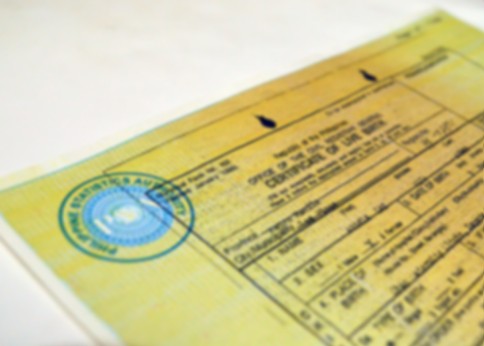
MARCH 21, 2026 — The National Bureau of Investigation has exposed a staggering 50,000 fake birth certificates spread across 1,600 civil registry offices nationwide — proof that tens of thousands of bogus identities have been manufactured and slipped through the cracks of our bureaucracy.
High-risk areas like Pikit and Aleosan in North Cotabato are now under the spotlight, with cases already filed against civil registry officials and their accomplices. The investigation, done with the Philippine Statistics Authority, revealed collusion among registrars, staff, and even a retired municipal registrar moonlighting as a “facilitator.”
Simply put, the system itself was compromised from the inside.
The NBI says foreign nationals — mostly Chinese — were among the biggest beneficiaries, using these fake documents to secure Filipino civil status and even citizenship. Imagine the implications: access to rights, privileges, and protections meant for actual citizens, all bought with falsified papers. Evidence showed “ready-made” documents were handed out without verification, exchanged for money and favors.
Charges have been filed under the Civil Register Law, Anti-Graft and Corrupt Practices Act, Code of Conduct for Public Officials, and falsification statutes under the Revised Penal Code.
So if 50,000 fake birth certificates can exist, how many more are out there, quietly legitimizing false identities, altering demographics, and undermining the integrity of our national records?
This isn’t just about corruption — it’s about trust. Birth certificates are the foundation of identity. They determine who gets to vote, who can own property, who can claim rights as a Filipino. If that foundation is riddled with fraud, then the entire structure of citizenship wobbles.
We deserve better than a system that can be gamed so easily. If the very document that proves who we are can be bought, then what does that say about the safety of our identity and the value of being a citizen in the first place?
(Image: Philippine Information Agency)