
Heated words over oil crisis — Is public discourse crossing the line?
Robel A. Almoguerra • Ipinost noong 2026-03-23 23:23:02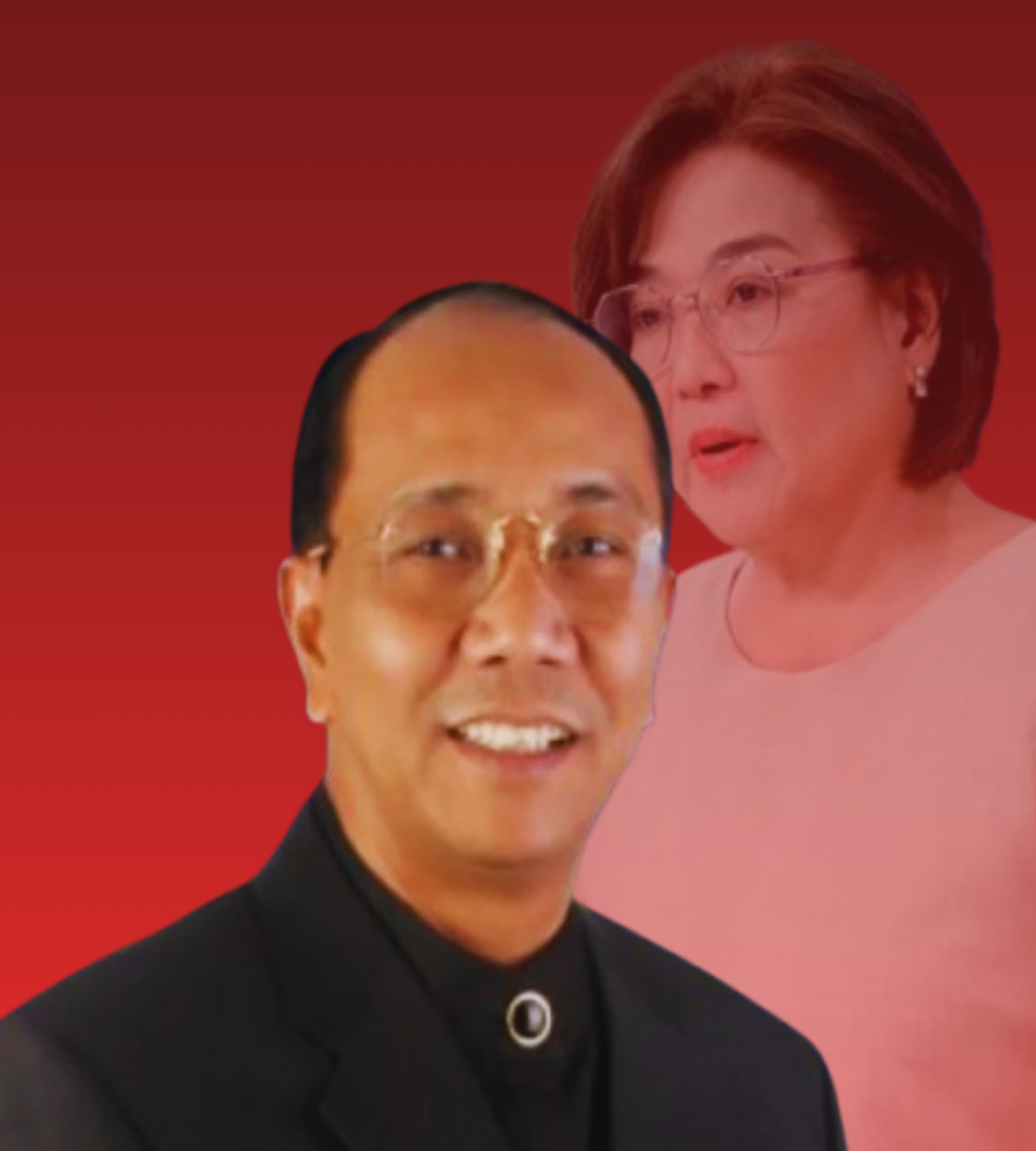
MANILA, Philippines — A sharp exchange of opinions has intensified the ongoing debate over rising fuel prices, after veteran broadcaster Jay Sonza reacted strongly to the statement of Claire Castro regarding the country’s oil situation.
Earlier, Castro maintained that the Philippines is not yet experiencing an “oil crisis,” describing the situation instead as a manageable “price disruption.” The statement aligns with the government’s broader stance under Ferdinand Marcos Jr. that supply remains stable despite global tensions affecting oil markets.
However, Sonza’s response quickly drew attention online—not only for its criticism, but also for its tone. In a social media post, he used sarcastic and harsh language to question Castro’s position, reflecting the growing frustration felt by some sectors of the public.
The exchange highlights a deeper issue beyond fuel prices: the widening gap between official messaging and public perception. While authorities emphasize supply stability and caution against panic, many Filipinos are already grappling with rising transportation costs, higher commodity prices, and daily financial strain.
At the same time, the nature of the criticism raises concerns about the quality of public discourse. Strong opinions are expected in a democracy, especially on issues that directly affect people’s lives. However, when discussions shift from policy critique to personal attacks, it risks undermining meaningful dialogue and solutions.
As debates continue, the challenge remains twofold: ensuring transparency and responsiveness from those in power, while also maintaining respectful and constructive engagement in public conversations.
In times of crisis—or perceived crisis—should public figures focus more on accountability in policy, or does the tone of criticism matter just as much as the message itself? (Larawan mula: Jay Sonza / Rappler, Claire Castro / Facebook)