
PPA says no fee hikes even as oil prices explode
Marijo Farah A. Benitez • Ipinost noong 2026-03-24 17:42:53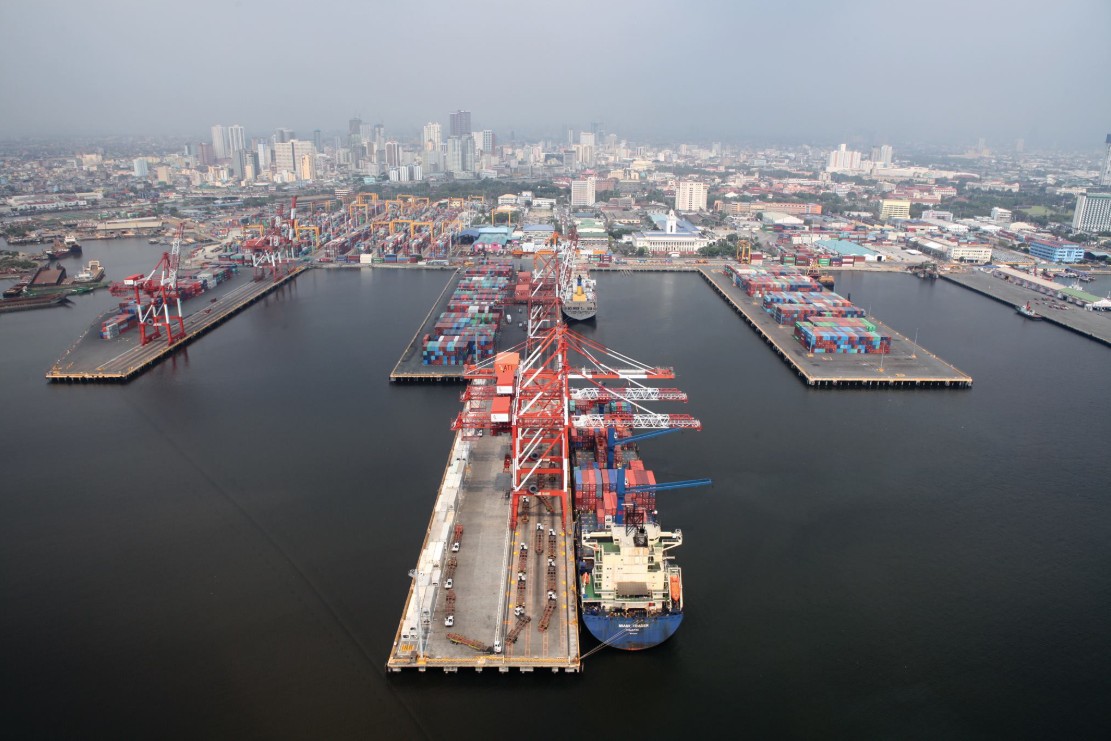
MARCH 24, 2026 — Passengers traveling by sea can breathe a little easier — at least for now. The Philippine Ports Authority (PPA) has announced that terminal fees will remain unchanged despite the relentless surge in oil prices triggered by the ongoing conflict in the Middle East.
“Sa PPA, wala po tayong pagtaas ng terminal fee sa mga pantalan. In fact, libre rin po ang terminal fee ng mga senior citizens, estudyante, uniformed personnel, at PWD sa pantalan,” said PPA general manager Jay Santiago.
(At PPA, we have no increase in terminal fees at ports. In fact, terminal fees are free for senior citizens, students, uniformed personnel, and PWDs at ports.)
That’s a welcome reprieve for many, but let’s not kid ourselves — the bigger storm is still brewing. Diesel prices are expected to hit over ₱130 per liter, while gasoline may climb past ₱100. Energy Secretary Sharon Garin admitted that while the weekly increase slowed down, “this is still a significant jump, considering that it will still affect our transportation industry as well as all industries, as well as the buying power of our households.”
So while passengers enjoy waived fees, the PPA itself shoulders the cost. Santiago clarified that the government's share in port charges is only 10%, equivalent to a mere 0.3% of consumer prices. The real burden lies in shipping charges, which eat up nearly 50% of logistics costs.
In short, even if terminal fees stay flat, the price of goods will still be dictated by skyrocketing fuel and shipping expenses.
This is where the conversation gets interesting. On one hand, the PPA’s move is a symbolic gesture of compassion — it’s a nod to the struggling commuter, the student, the worker, the family trying to stretch their budget. On the other hand, it exposes the fragile balance of our transport economy: agencies like the PPA are left to absorb costs without government subsidy, while consumers brace for the ripple effects of oil hikes on everything from food to fares.
So yes, no terminal fee hikes sound good. But in the bigger picture, it’s a band-aid solution on a wound that keeps bleeding. The question is not whether passengers save a few pesos at the port — it’s whether the government and industry can shield us from the tidal wave of rising oil prices that threaten to drown household budgets.
How long can small reliefs like this hold back the bigger storm of surging costs?
(Image: Philippine Ports Authority | Facebook)