
Vice Mayor Phanie Teves led the deliberation towards an inclusive future for Muntinlupa
Cesar Patrick F. Bonales • Ipinost noong 2026-03-24 17:48:48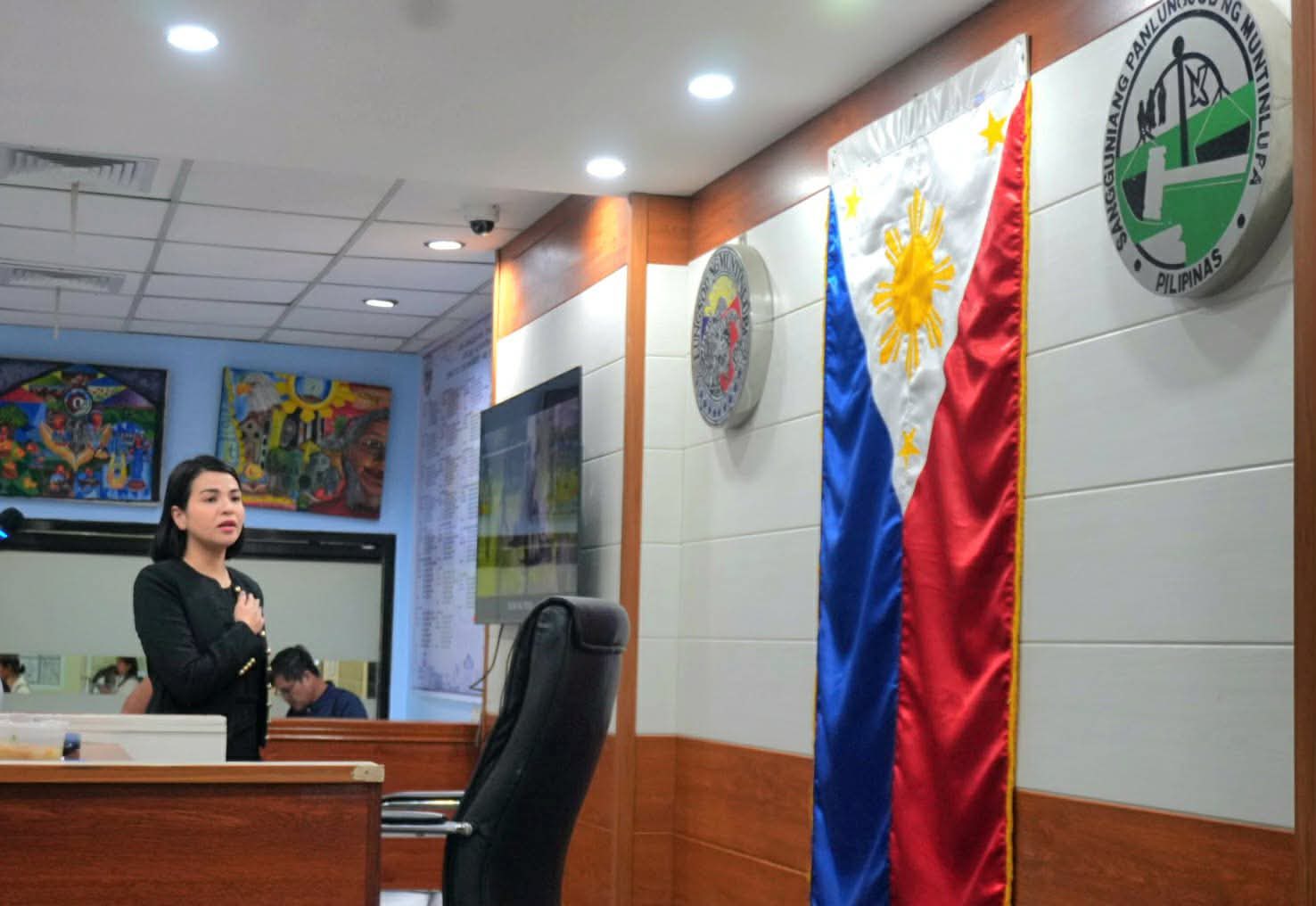
In a landmark session that will shape Muntinlupa City's trajectory for years to come, Vice Mayor Stephanie "Phanie" Teves led the 37th Regular Session of the 11th Sangguniang Panlungsod to unprecedented achievements. The council's deliberations on March 23, 2026, weren't just procedural—they represented a comprehensive vision for a city that balances economic progress with social equity, environmental stewardship, and community resilience. This session marked a turning point where policy became a tangible opportunity for thousands of Muntinlupa citizens, particularly the most vulnerable members of our community.
The establishment of the Muntinlupa City Inclusive Learning Resource Center (ILRC) through the newly passed Sentrong Kakayahan ordinance represents more than infrastructure—it's a fundamental reimagining of how we support learners with disabilities. For too long, families seeking specialized educational services had to navigate fragmented systems or travel to neighboring cities. Today, Muntinlupa is positioning itself as a regional leader in inclusive education, creating dedicated spaces where every learner can thrive. This initiative directly responds to the 7K Agenda's commitment to education and social justice, transforming aspirational goals into funded, operational programs.
Simultaneously, the council's financial decisions demonstrate sophisticated fiscal management that empowers grassroots leadership while maintaining fiscal discipline. The approval of multi-million peso budgets for the Sangguniang Kabataan of Barangays Tunasan and Sucat—totaling over ₱21 million—recognizes that youth leaders understand their communities best. Rather than imposing top-down programs, this funding model trusts young people to identify local needs and implement culturally relevant solutions. The supplemental budgets for disaster preparedness and general operations further showcase the council's commitment to both immediate community needs and long-term strategic planning.
Vice Mayor Teves emphasized that this facility creates a "safe space" where learners with disabilities can develop into productive citizens without being forced to conform to rigid educational models. The ILRC represents a paradigm shift from remediation to empowerment, recognizing that disability is not a deficit but a dimension of human diversity that requires appropriate support systems. By embedding this center within the city's educational infrastructure, Muntinlupa signals that inclusion isn't an afterthought—it's fundamental to our vision of quality education for all.
As Muntinlupa moves forward in implementing these legislative mandates, maintaining this integrated, compassionate approach will be essential. Implementation requires more than allocating funds—it demands coordinated action across departments, transparent monitoring mechanisms, and genuine community engagement, ensuring programs meet real needs rather than bureaucratic checkboxes. The 37th Regular Session provides a future-forward framework; the test now is whether Muntinlupa can translate these policy commitments into lived improvements for residents' daily lives. If the council maintains its current trajectory of unified, values-driven governance, Muntinlupa will emerge not just as another developing city, but as a model demonstrating how competitiveness and compassion reinforce rather than contradict each other.