
Senators urge Marcos: stop dodging, call the oil crunch a ‘crisis’
Marijo Farah A. Benitez • Ipinost noong 2026-03-24 19:15:18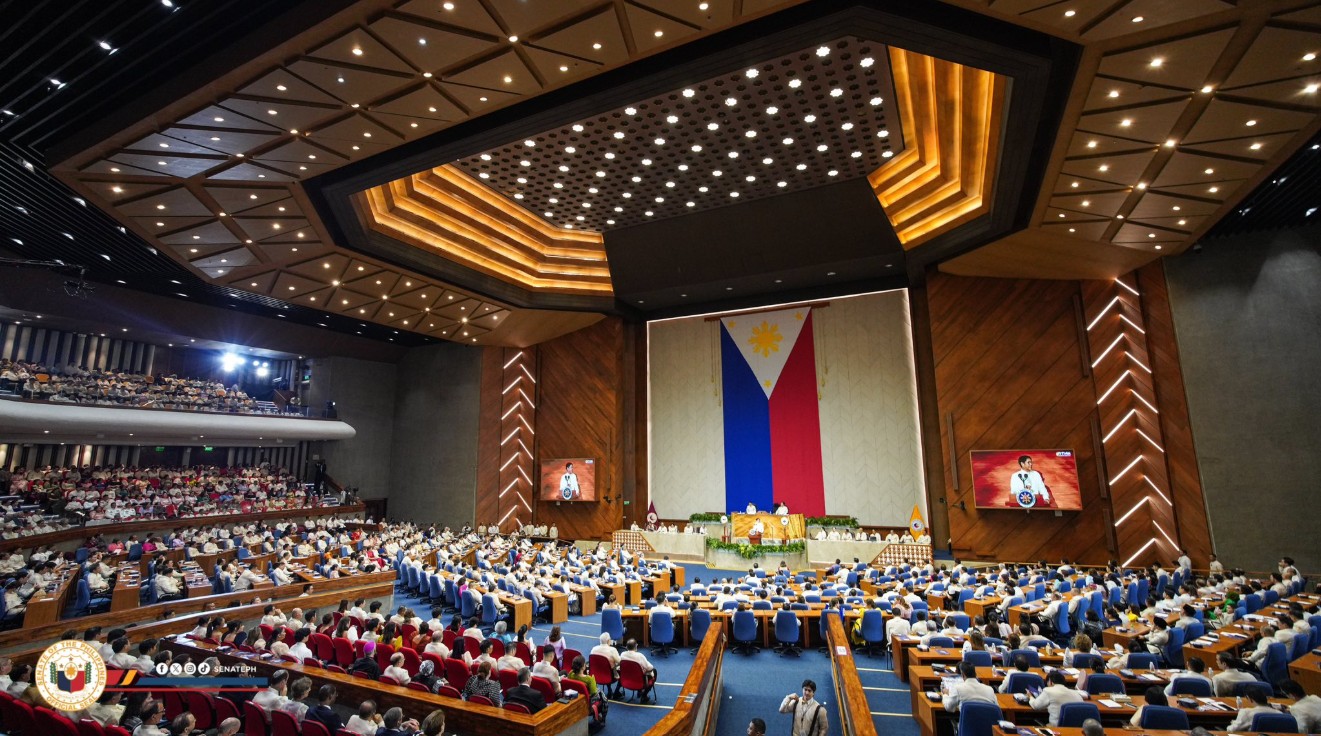
MARCH 24, 2026 — The Philippine Senate is turning up the heat on Malacañang, with several senators openly calling the oil problem a “crisis” and urging President Ferdinand Marcos Jr. to declare a state of national emergency. The Palace, however, continues to downplay the situation as a mere “disruption,” even as fuel prices bite deeper into the wallets of Filipinos.
At the Senate Protect Committee hearing, Sen. Bam Aquino pushed for a national emergency declaration, arguing that the government needs broader powers to regulate prices and secure supply chains. He stressed that “many Filipino families are already experiencing emergency-level hardship due to rising fuel costs.”
Sen. JV Ejercito echoed this, warning that minimum wage earners, PUV drivers, OFWs, and breadwinners are “bearing the heaviest burden.”
He added, “Hindi po natin alam hanggang kailan at hanggang saan ang patutunguhan ng nangyayaring krisis na ito, kaya dapat ganon din ang preparasyon na ginagawa ng mga ahensya.”
(We don’t know how long or how far this crisis will go, so agencies must prepare accordingly.)
Sen. Risa Hontiveros insisted, “Sa puntong ito, hindi na sapat ang monitoring at pakiusap, kahit ang araw-araw na assurance mula sa Palasyo. Hindi naman sinusukat lamang ng krisis na ito ang tibay ng ekonomiya. Ang sinusubok dito ang uri ng pamamahala.”
(At this point, monitoring and appeals — even daily assurances from the Palace — are not enough. This crisis is not only testing the economy. It is testing the kind of governance we have.)
Meanwhile, Sen. Kiko Pangilinan urged the government to use the crisis as an opportunity to strengthen food and energy sufficiency systems.
The Palace’s softer language
Malacañang insists the situation is a mere “disruption,” not a “crisis.” Palace officials revealed they are finalizing a “crisis management committee,” but stopped short of declaring a national emergency.
This semantic tug-of-war — crisis vs. disruption — matters because it determines the scope of government powers.
What’s at stake for us
- Inflation fears: Economists warn that rising fuel costs could trigger another wave of inflation, hitting food and transport hardest.
- Aid gaps: While drivers are receiving subsidies, senators argue that middle-class earners — 40% of the population — are left out of relief programs … again.
- Systemic reform: Activists and transport groups like Manibela demand transparency, calling on Marcos to “open the books of oil companies.” They accuse firms of unreasonable price hikes and want the Oil Deregulation Law repealed.
- Emergency powers: Some senators back granting Marcos authority to suspend excise taxes on petroleum products, a move that could immediately lower pump prices.
This oil shock is fueled by the ongoing US-Israeli war in Iran, which has no clear end in sight. The Philippines, heavily dependent on imported fuel, is caught in the crossfire of global geopolitics. Energy Secretary Sharon Garin admitted that while companies can raise prices based on replacement costs, the government may need regulatory powers to keep pump prices “reasonable.”
Economist Emmanuel Leyco reminded everyone that under Section 14e of the Oil Deregulation Law, the government can temporarily take over the oil industry during a national emergency.
That’s a nuclear option, but one that’s legally on the table.
So whether Malacañang calls it a “disruption” or a “crisis,” the effect is the same — ordinary Filipinos are paying more for everything. Jeepney drivers are cutting trips, families are tightening food budgets, and businesses are bracing for higher operating costs.
The Palace’s reluctance to use the word “crisis” feels like political optics. But we don’t live in semantics; we live in reality. And reality is staring us in the face every time we gas up, buy rice, or pay for a tricycle ride.
The Senate’s push for emergency powers is not just about politics but about survival. The question now is whether Marcos will act decisively or continue to play linguistic gymnastics while his countrymen bleed at the pump.
Will Malacañang keep calling this a “disruption” while every Filipino already knows it’s a crisis?
(Image: Senate of the Philippines | Facebook)