
De Lima criticizes VP Sara Duterte’s absence — Accountability issue or political tension?
Robel A. Almoguerra • Ipinost noong 2026-03-25 22:03:46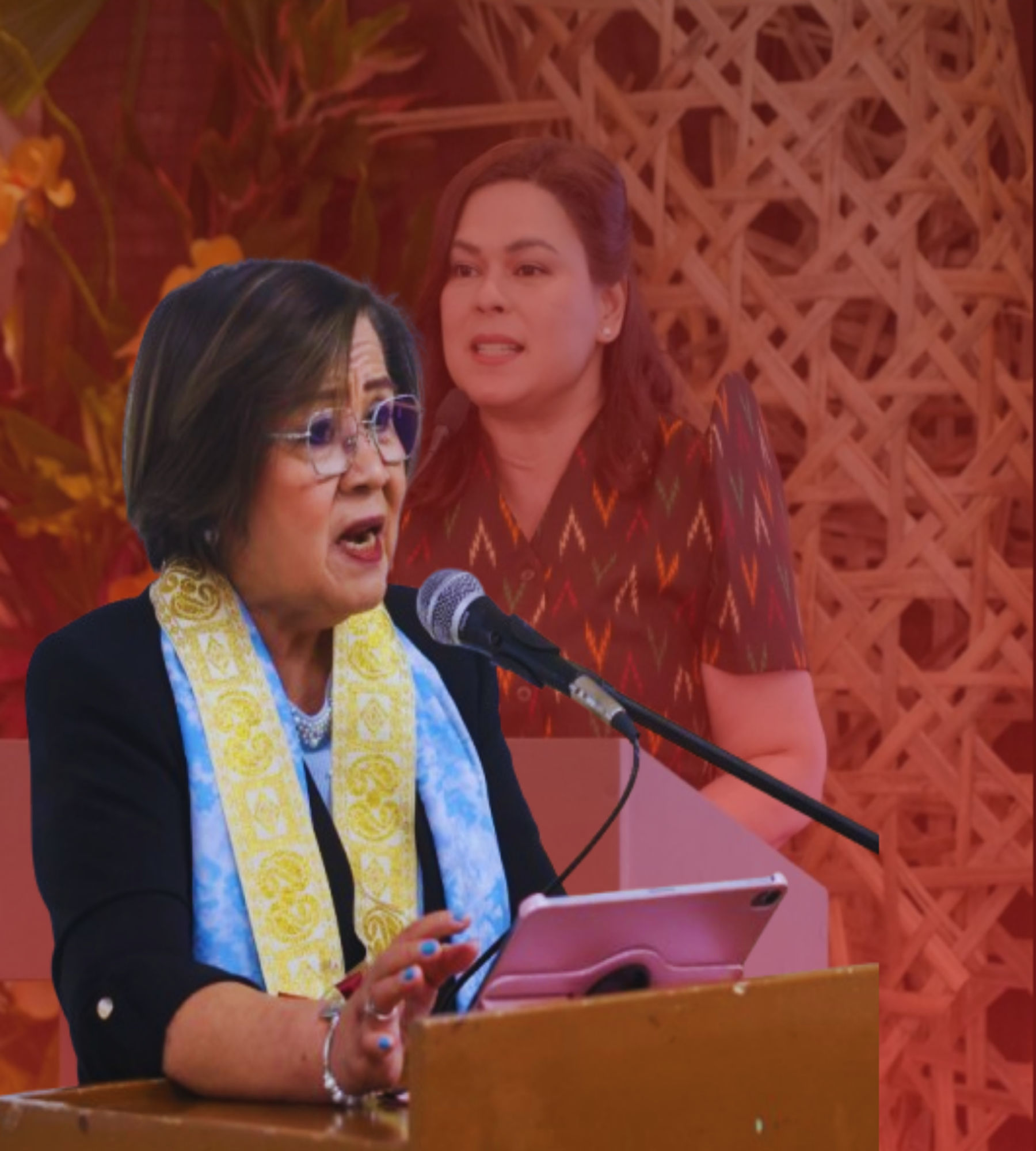
MANILA, Philippines — A fresh wave of political discourse has emerged after Leila de Lima publicly criticized Vice President Sara Duterte for failing to attend a House Committee on Justice hearing related to impeachment complaints filed against her.
During the proceedings, De Lima described Duterte’s absence as “very unfortunate,” stressing that it could be seen as a lack of respect for the legislative process. She further emphasized that, at the very least, the Vice President should have formally communicated her decision not to attend the hearing, rather than issuing statements solely through media channels.
The controversy highlights a deeper issue surrounding institutional accountability and the expectations placed on high-ranking public officials. Congressional hearings, particularly those tied to impeachment complaints, are designed to ensure transparency and provide a platform for both inquiry and defense. Non-attendance—whether justified or not—can quickly become a focal point for criticism and political interpretation.
However, the situation is far from one-dimensional. Supporters of the Vice President may argue that public statements can serve as an alternative means of communication, while critics insist that formal processes should be respected to maintain the integrity of democratic institutions. The tension underscores the delicate balance between legal procedure and political strategy.
Beyond personalities, the issue raises broader questions about governance and public trust. In moments of scrutiny, how leaders choose to engage—or disengage—can significantly shape public perception. The absence from such a critical proceeding may not only affect the outcome of the complaints but also influence how accountability is perceived in the political landscape. As debates continue and political lines are drawn, one pressing question remains: In matters of public accountability, is participation in formal proceedings a duty that cannot be bypassed—or can it be redefined in the age of media-driven communication?
(Larawan mula: Leila de Lima, Inday ‘Sara’ Duterte / Facebook)