
DOE warns PH could ‘run dry’ as Middle East tensions flare
Marijo Farah A. Benitez • Ipinost noong 2026-03-25 09:14:17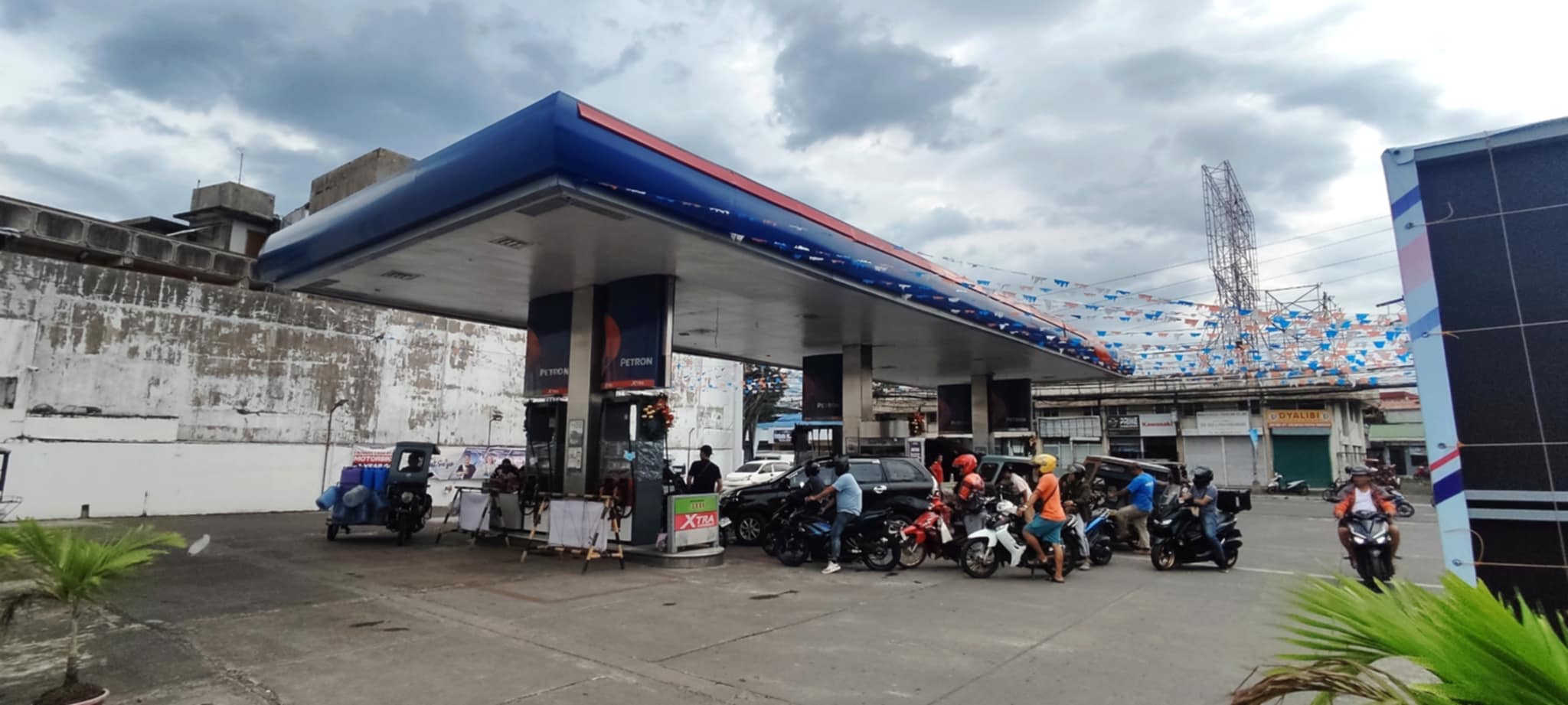
MARCH 25, 2026 — The Philippines is staring at a potential fuel crunch as Middle East tensions threaten global oil routes, prompting President Marcos Jr. to declare a national energy emergency. Energy Secretary Sharon Garin has warned that in a worst-case scenario, “this country runs dry,” underscoring how fragile our supply chain really is.
At the Senate’s PROTECT committee hearing, Garin laid it out plainly: gasoline reserves could last 64 days, diesel about 54 days — but only if incoming shipments arrive as planned. Beyond that, the government and oil firms would need to scramble for new suppliers.
The Strait of Hormuz, a chokepoint for global oil, is the elephant in the room. If it shuts down, the Philippines, a net importer, will feel the squeeze almost immediately.
President Ferdinand Marcos Jr. signed Executive Order 110, declaring a state of national energy emergency. This allows the government to fast-track measures to secure fuel, food, and other essentials. A crisis committee has been formed to oversee supply and distribution, signaling how seriously Malacañang views the threat.
Senator Sherwin Gatchalian called out the DOE’s “hand-to-mouth” supply planning. Oil companies place orders twice a month, but storage and financing limits keep us from building a real buffer.
The thing is, we’re living shipment to shipment, with little room for error. And that’s not a comforting thought when global tensions are rising.
The bigger risk isn’t running out of fuel entirely — it’s skyrocketing pump prices.
Garin herself admitted, “The worst case is the prices will be really high.”
Imagine jeepney drivers, delivery riders, and commuters absorbing another round of fare hikes. Transport groups are already warning of strikes if government action falls short.
Searching for alternatives
The DOE says it’s exploring suppliers outside the Middle East, including the United States and India, to diversify sources. But shifting supply chains isn’t instant — it takes negotiation, logistics, and money. Meanwhile, the public braces for the ripple effects: higher food costs, pricier goods, and a heavier burden on households already stretched thin.
The Philippines has weathered oil shocks before, but this time the warning is sharper, the timeline tighter, and the stakes higher. Do you think our leaders can move fast enough to shield us from the fallout?
(Image: Philippine Information Agency)