
Marcos signals PH-China ‘reset’ amid energy crisis — Strategic move or risky realignment?
Robel A. Almoguerra • Ipinost noong 2026-03-25 22:25:10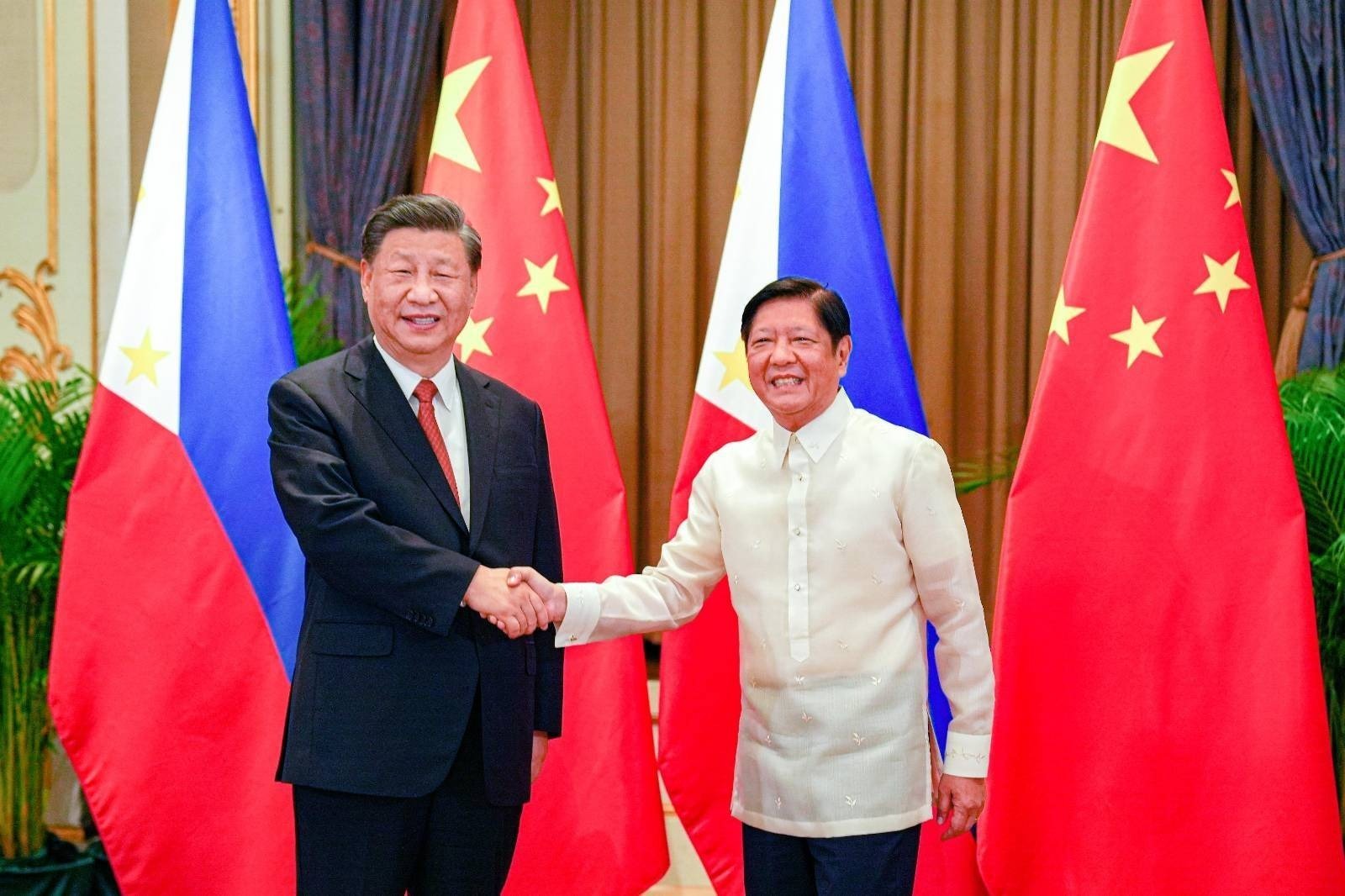
MANILA, Philippines — A significant shift in Philippine foreign policy may be underway after President Ferdinand Marcos Jr. confirmed that a “reset” in relations between the Philippines and China is already happening—sparking debate over its implications for national interest and regional stability.
“It’s happening now,” the President stated, emphasizing that the evolving relationship is no longer merely an option but a reality shaped by global circumstances. He further described the development as part of a “very, very serious restructuring” in international relations, suggesting that even legal frameworks governing global interactions may need to be redefined.
The timing of this shift is critical. The Philippines is currently grappling with rising fuel prices—diesel exceeding ₱130 per liter and gasoline surpassing ₱100 per liter—largely driven by ongoing tensions in the Middle East. These disruptions have prompted the government to declare a national energy emergency under Executive Order No. 110 and roll out support programs such as UPLIFT to cushion affected sectors.
In this context, a recalibration of ties with China may be viewed as both pragmatic and strategic. Strengthening diplomatic and economic engagement could potentially open avenues for energy cooperation, trade stability, and geopolitical balance. However, it also raises concerns, particularly given longstanding tensions in the West Philippine Sea and questions about sovereignty.
The notion of a “new normal” in international relations, as described by the President, reflects a broader global trend where shifting alliances are increasingly influenced by economic pressures and resource security. Yet, for many Filipinos, the idea of a “reset” with China is not just a diplomatic maneuver—it is a sensitive issue tied to national identity, security, and trust.
This development invites a deeper conversation: Is the Philippines adapting wisely to a changing global landscape, or could such a move compromise long-term strategic interests for short-term relief?
As the country navigates rising economic pressures and evolving geopolitical realities, one crucial question remains: Is this “reset” a necessary step toward stability—or a turning point that could redefine the nation’s future in uncertain ways?
(Larawan mula: Presidential Communications Office)