
Adolescent pregnancy bill pushed as cases among girls aged 10-14 explode
Marijo Farah A. Benitez • Ipinost noong 2026-03-26 12:27:00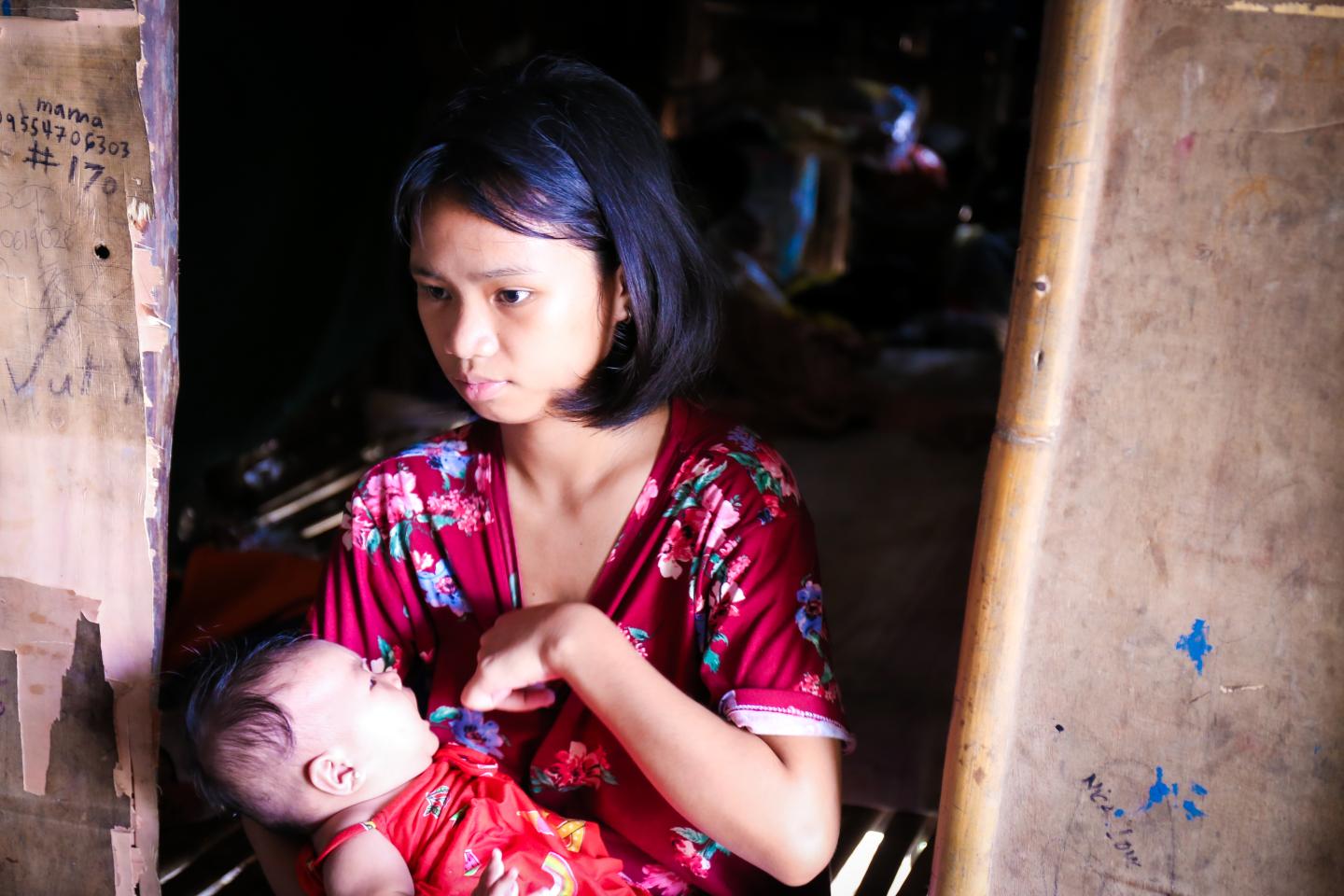
MARCH 26, 2026 — Pregnancies among Filipino girls as young as 10 are rising, with official data showing an 8% increase in cases from 2023 to 2024. The Commission on Population and Development (CPD) is sounding the alarm, urging Congress to finally pass the Adolescent Pregnancy Prevention Bill — framed by advocates as a “national social emergency.”
When two ten-year-old girls in Bicol and Western Visayas gave birth last year, it wasn’t just a statistic — it was a wake-up call. According to the Philippine Statistics Authority, pregnancies among girls aged 10–14 jumped from 3,343 in 2023 to 3,612 in 2024.
CPD’s Mylin Mirasol Quiray stressed, “Two of the youngest mothers recorded were only ten years old.”
Now that’s not just alarming. It’s heartbreaking.
The CPD insists that the proposed Adolescent Pregnancy Prevention Bill is more than legislation — it’s survival. The measure seeks to institutionalize comprehensive reproductive health education and expand adolescent-friendly health services nationwide.
Advocates argue this is the only way to break the silence in Filipino households, where, as Quiray noted, “More than ten percent lamang ng Pilipino parents ang nakikipag-usap tungkol sa sex sa kanilang mga anak.”
(Only more than ten percent of Filipino parents talk to their children about sex.)
Why the bill matters now
The Philippine Legislators’ Committee on Population and Development (PLCPD) has gone further, calling adolescent pregnancy a “national social emergency.” This isn’t just about health but also about poverty, education, and gender inequality. Teenage mothers often drop out of school, face stigma, and struggle to provide for their children. The cycle repeats, trapping families in generational disadvantage.
Critics worry about “age-appropriateness,” but Quiray counters, “Hindi po natin kailangang matakot … culturally sensitive and scientifically accurate po according to standard ng Department of Education policies.”
(We don’t need to be afraid … it is culturally sensitive and scientifically accurate according to Department of Education standards.)
The truth of the matter is, while policymakers debate, social media has already become the default “teacher” for Filipino teens on sex and reproductive health. And we all know what kind of misinformation thrives online. So the bill isn’t about corrupting innocence but about protecting it, arming kids with facts before myths and predators get to them first.
So how many more ten-year-old mothers will it take before Congress finally acts?
(Image: Unicef)