
LTFRB says DBP ready to waive jeepney loan penalties amid soaring fuel costs
Marijo Farah A. Benitez • Ipinost noong 2026-03-27 13:04:07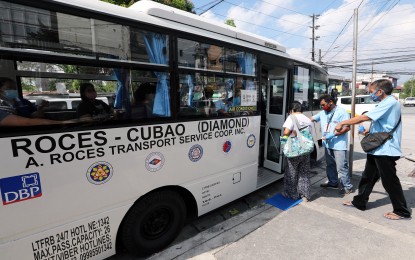
MARCH 26, 2026 — The LTFRB has said that the Development Bank of the Philippines (DBP) is open to waiving penalties on unpaid modern jeepney loans, a move triggered by skyrocketing fuel prices linked to Middle East tensions. For jeepney operators drowning in debt, this could be the break they’ve been waiting for.
LTFRB Chairman Vigor Mendoza II admitted the sector is in crisis.
“We fully understand the situation of the public transport sector this time so we are exerting efforts to provide all the necessary assistance to them to ease their burden,” he said, explaining why the agency formally asked DBP to suspend or waive penalties under its PASADA loan program.
The problem? Fuel costs have surged, the peso has weakened, and operators are struggling to keep up with payments on modern jeepneys that were supposed to symbolize progress. Instead, they’ve become a financial chokehold.
DBP responded with a letter acknowledging the impact of the Middle East crisis on oil-dependent countries like the Philippines. The bank admitted that global oil prices and the peso’s slide have “directly raised operational costs for the transport sector and caused financial distress to TSEs.”
The good news: DBP is open to waiving penalties. The catch: it will be on a case-to-case basis, subject to approval. No blanket relief, no automatic forgiveness — just a cautious lifeline.
Now here’s the irony. The modernization program was meant to give commuters safer, cleaner rides. But if operators can’t pay their loans, they cut trips or abandon routes. Who suffers? The millions of Filipinos who rely on jeepneys every single day.
The modernization dream is colliding with geopolitical reality. Operators are squeezed between high fuel costs and passengers unwilling to pay higher fares. And now, the government is scrambling to keep the system afloat.
Waiving penalties isn’t just about saving operators — it’s about saving commuters from chaos. If jeepney drivers stop driving, the country’s daily commute grinds to a halt.
But is a case-to-case waiver enough? Or is this just a ‘band-aid’ on a bleeding wound?
The modernization program was ambitious, maybe too ambitious for a sector running on razor-thin margins. Without a stronger safety net, every oil shock abroad will keep shaking the foundations of Philippine public transport.
(Image: Philippine News Agency)