
Petron buys Russian oil amid energy emergency — Strategic move or risky dependence?
Robel A. Almoguerra • Ipinost noong 2026-03-30 21:57:38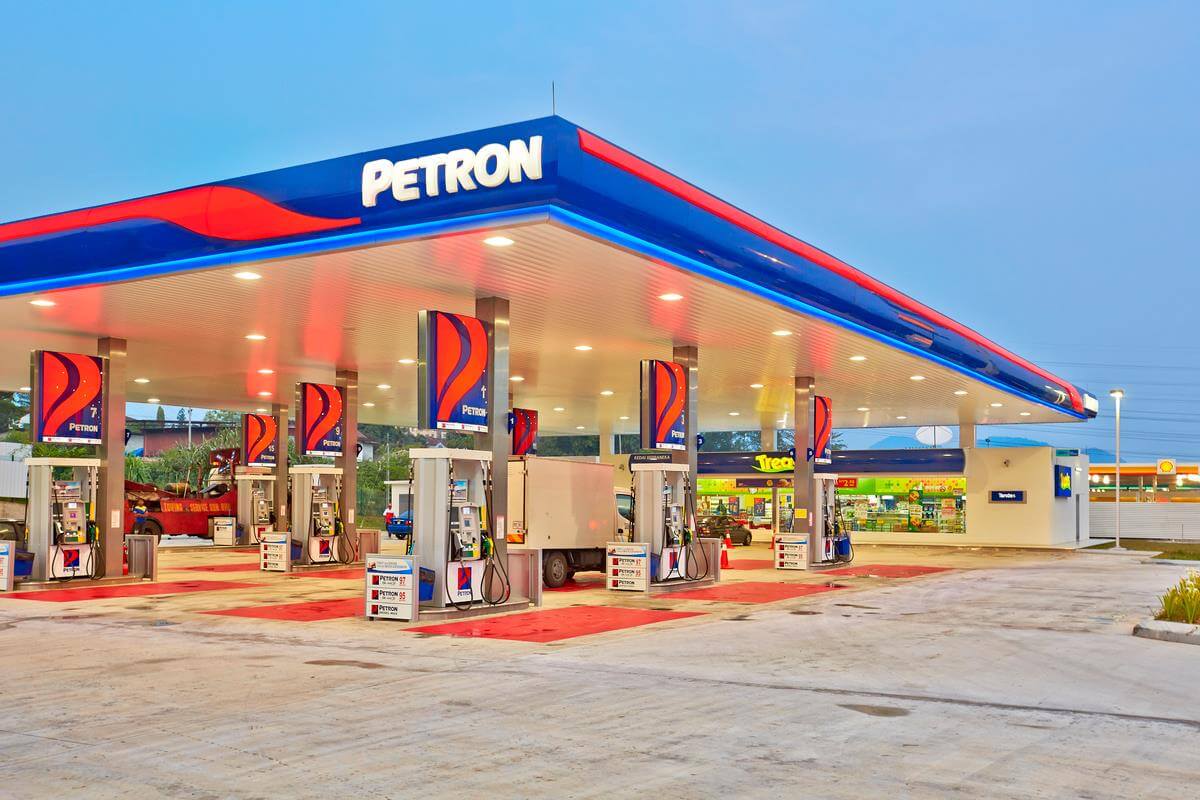
MANILA, Philippines — Amid ongoing energy concerns, Petron Corporation has confirmed the purchase of 2.48 million barrels of crude oil from Russia—a move described by the company as necessary to address the country’s pressing fuel needs. The acquisition is expected to help sustain fuel inventory levels through June, providing short-term stability in supply.
According to Petron, the decision to source oil from Russia is not part of its regular procurement strategy. Instead, it was carried out in response to what the company described as a “critical necessity,” as the Philippines navigates a period of energy uncertainty. The purchase comes at a time when global oil markets remain volatile, influenced by geopolitical tensions and fluctuating supply chains.
On the surface, the move appears practical. Securing a large volume of crude oil ensures continuity in fuel distribution, preventing potential shortages that could disrupt transportation, power generation, and economic activity. For consumers already burdened by rising fuel prices, maintaining supply is a crucial step toward avoiding further instability.
However, this development also raises complex questions. Sourcing oil from Russia—particularly in a sensitive geopolitical climate—may expose the country to diplomatic and economic risks. It also underscores the Philippines’ continued dependence on imported fossil fuels, a vulnerability that becomes more evident during global crises.
From a broader perspective, the situation highlights a recurring dilemma in national energy policy: balancing immediate needs with long-term sustainability. While emergency measures like this can provide relief, they may also delay investments in alternative energy sources that could reduce reliance on external suppliers.
As the country navigates this energy challenge, the focus shifts from mere supply to strategic direction. Are decisions being made solely to address today’s shortages, or are they aligned with a more resilient and independent energy future?
In times of crisis, should nations prioritize immediate solutions—even if they carry long-term risks—or take bolder steps toward lasting energy independence?
(Larawan mula: Petron)