
AFP warns vs China oil deal — Can PH trust Beijing?
Margret Dianne Fermin • Ipinost noong 2026-03-31 18:53:12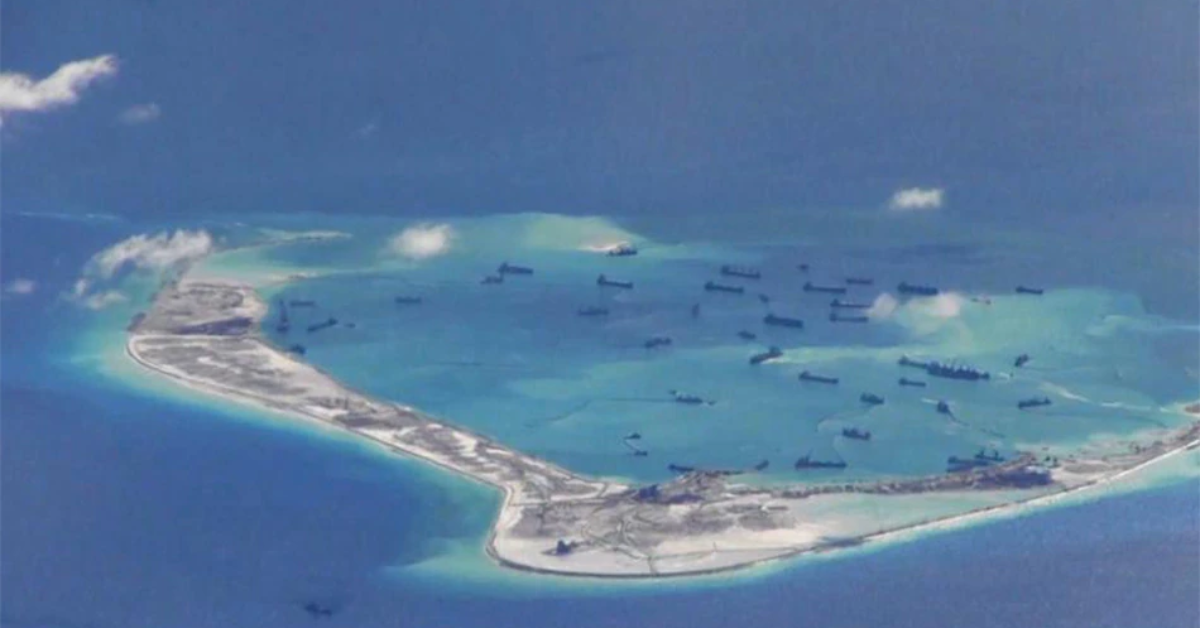
MANILA, Philippines — March 31, 2026 —The Armed Forces of the Philippines (AFP) has cautioned government negotiators against pursuing joint oil and gas exploration with China, warning that Beijing is “not a reliable partner” amid ongoing bilateral talks in Fujian, China.
Rear Admiral Roy Vincent Trinidad, AFP spokesperson for West Philippine Sea matters, said the military remains skeptical of China’s sincerity in negotiations. “The Chinese Communist Party is not a reliable partner on the negotiating table,” Trinidad stressed, underscoring the risks of entering into agreements with Beijing while tensions in the South China Sea persist.
The warning comes after the Philippines and China held initial discussions on possible oil and gas cooperation during the Bilateral Consultative Mechanism (BCM) meeting in Fujian on March 28. The Department of Foreign Affairs (DFA) reported that both sides exchanged “frank and thorough views” on the situation in disputed waters, with Manila raising concerns over China’s “unlawful” actions within the Philippines’ exclusive economic zone (EEZ).
The talks were part of a broader effort to “reset” relations between Manila and Beijing, following years of maritime tensions. Philippine Foreign Undersecretary Leo Herrera-Lim led the delegation, while Chinese Vice Foreign Minister Sun Weidong represented Beijing. Discussions covered both security issues and potential energy cooperation, reflecting the Philippines’ interest in tapping offshore resources to boost energy independence.
Despite these diplomatic exchanges, the AFP’s position highlights deep mistrust of China’s track record in the West Philippine Sea. The military has consistently warned that Beijing’s aggressive actions — including the deployment of vessels, construction of artificial islands, and harassment of Filipino fishermen — undermine any prospects for genuine cooperation.
Analysts note that the Philippines faces a difficult balancing act: securing much-needed energy resources while safeguarding sovereignty and national security. Joint exploration could provide economic benefits, but critics argue that it risks legitimizing China’s expansive claims in the South China Sea.
The AFP’s warning is expected to influence policymakers as they weigh the potential gains of energy cooperation against the strategic risks of engaging with Beijing. For now, the military’s stance underscores the Philippines’ cautious approach, signaling that any deal with China will face intense scrutiny both from security officials and the public.
This development adds another layer to the ongoing debate over how the Philippines should navigate its complex relationship with China — a mix of economic opportunity and geopolitical tension that continues to shape the country’s foreign policy.