
Travel time slashed to 15 minutes — Will the CAVITEX–C5 connector finally solve metro traffic?
Robel A. Almoguerra • Ipinost noong 2026-03-31 22:26:58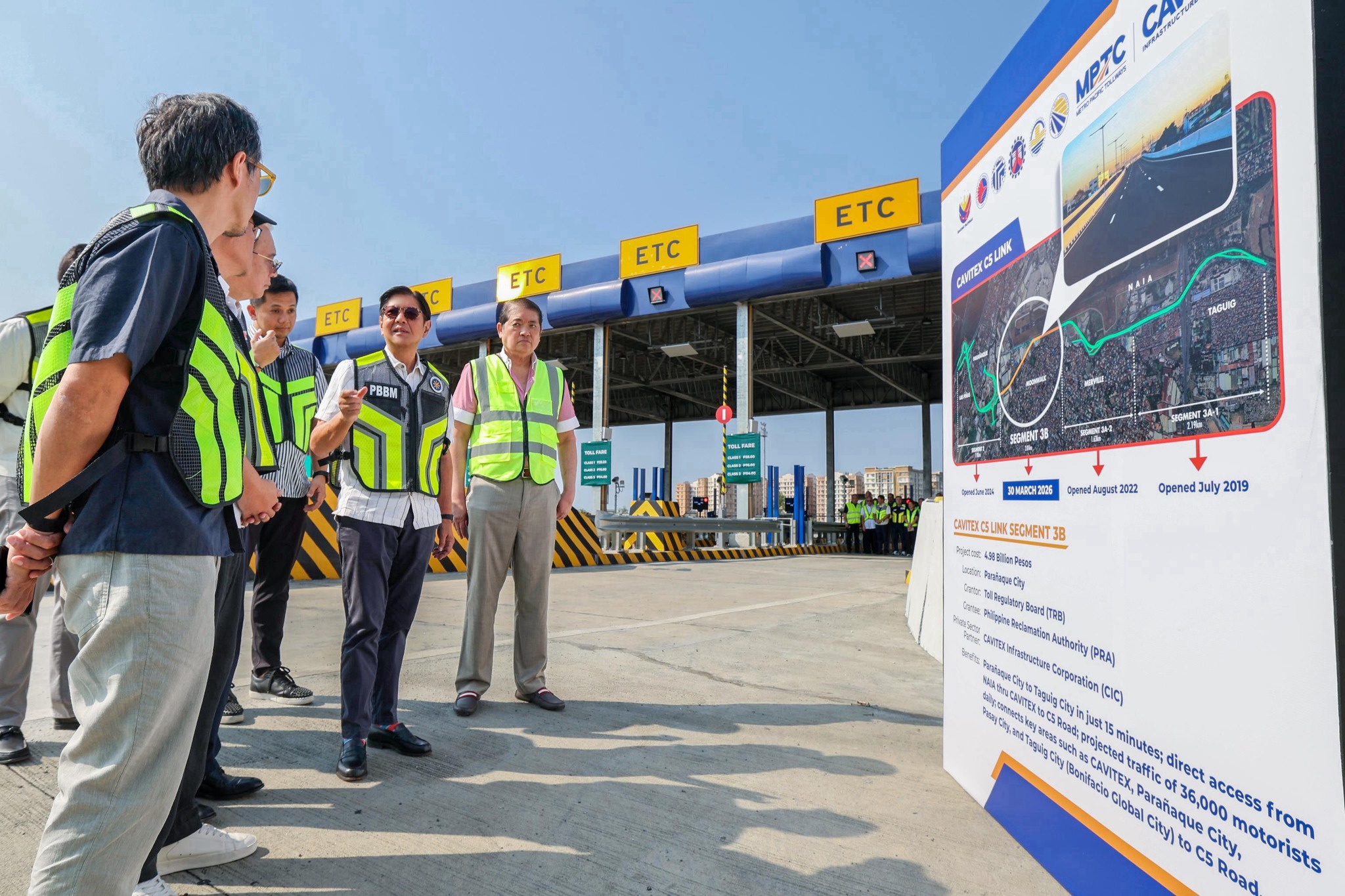
MARCH 31, 2026 — Motorists can now expect significantly faster travel as the CAVITEX–C5 Connector officially opens to the public, cutting travel time from 1 hour and 30 minutes down to just 15 minutes. The new link is expected to accommodate around 36,000 vehicles daily, providing a much-needed alternative route and easing congestion along major roads.
The connector serves as a direct link between CAVITEX and C5 Road, offering smoother travel for both private motorists and logistics operators. With traffic congestion being a long-standing issue in Metro Manila, this development is seen as a step toward improving mobility and efficiency in the region.
Beyond convenience, the project also brings economic implications. Reduced travel time means lower fuel consumption, which is especially significant as global oil prices continue to fluctuate. For businesses, faster delivery times could translate into improved productivity and reduced operational costs.
In a move to encourage usage, toll fees will be waived until the end of April, aligning with the expected surge in travelers during Holy Week. This temporary free access aims to help motorists adjust to the new route while easing travel during one of the busiest seasons of the year.
However, while the connector promises immediate relief, it also raises a broader question: can infrastructure alone truly solve Metro Manila’s traffic woes? Past experiences suggest that while new roads ease congestion initially, increased vehicle volume may eventually offset these gains.
As more vehicles take advantage of the faster route, long-term planning remains crucial—integrating public transportation, urban design, and sustainable mobility solutions.
With faster roads now in place, are we finally solving traffic—or simply making room for more cars on the road?
(Larawan mula: CAVITEX C5 Link Segment - 3B, Parañaque City / Facebook)