
Fuel relief won’t come easy, even with Hormuz open — DOE
Marijo Farah A. Benitez • Ipinost noong 2026-04-06 07:04:12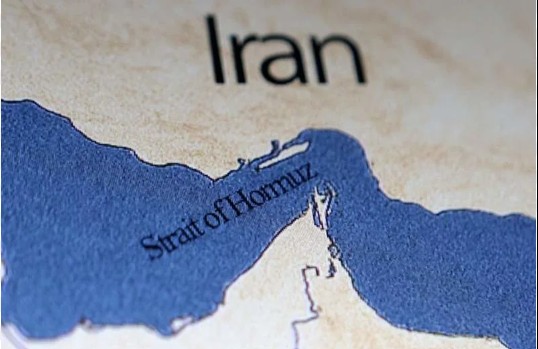
APRIL 6, 2026 — The Strait of Hormuz is open, Manila-bound tankers can pass safely, and yet — your wallet won’t feel lighter anytime soon. Energy Secretary Sharon Garin made it clear, saying “This development will not immediately bring down fuel prices, nor does it resolve our long-term structural challenges in energy.”
That’s the gut punch. For weeks, Pinoys have been battered by relentless price hikes, with diesel now threatening to breach P160 for regular and P170 for premium. The Hormuz assurance from Iran may sound like a geopolitical sigh of relief, but in reality, it’s just one piece of a much bigger puzzle.
Why? Because the Philippines remains chained to Middle Eastern crude. Even if we buy refined fuel from hubs like Singapore or Korea, the crude oil feeding those refineries often passes through Hormuz. Any disruption there rattles the global supply chain, and we pay the price at the pump.
Garin herself admitted: “Any disruption there creates a domino effect that impacts global supply – and ultimately, prices at the pump.”
This is the hard truth: safe passage doesn’t equal cheap fuel. The government insists lowering prices is a priority, but the structural weakness is glaring. We are still at the mercy of foreign suppliers, still exposed to every tremor in the Middle East. Saudi Arabia remains our largest source, and that dependency is a vulnerability we can’t ignore.
So what does this mean for Juan dela Cruz? It means bracing for another round of double-digit increases this week, tightening belts, and waiting for policy shifts that go beyond crisis management. The DOE’s promise of “safe and preferential access” is welcome, but it’s not the cure.
The bigger question is whether this energy emergency will finally push the Philippines to rethink its long-term strategy — diversification, renewables, and resilience — rather than just praying for calm seas in Hormuz.
So if the Strait of Hormuz isn’t the magic bullet, then what will it take for us to finally see real relief at the pump?
(Image: Yahoo)