
1 in 3 Pinoys drowning in debt just to eat, BSP survey reveals
Marijo Farah A. Benitez • Ipinost noong 2026-04-17 08:57:54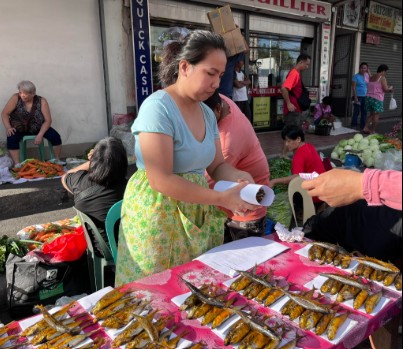
APRIL 17, 2026 — The latest Bangko Sentral ng Pilipinas (BSP) survey has exposed a startling reality: one in three Filipinos is borrowing money just to survive. Let that sink in. In a country where debt is culturally frowned upon — seven out of ten adults say loans are a “bad idea” — millions are now forced to swallow their pride and borrow for food, education, and health.
This isn’t about buying gadgets or splurging on luxuries. This is about keeping families fed and children in school.
The 2025 Consumer Finance and Inclusion Survey paints a sobering picture. Out of 75.6 million Filipino adults, 32 percent of all loans are now being used for basic necessities.
The BSP states: “Many continue to rely on borrowing to meet basic needs such as food, education, and health expenses.”
Now that’s a warning sign of how fragile household finances have become.
Here’s the paradox: while 56 percent of borrowers say they can settle obligations easily and 77 percent even pay on time or ahead of schedule, a sizable minority is drowning. Thirty-four percent admit they struggle to make payments, and eight percent confess to borrowing from new sources just to pay off old debts.
That’s the classic debt trap — borrowing to cover borrowing. Once you’re in, it’s hard to climb out.
Even more alarming is the decline in financial inclusion. Only half of Filipino adults now hold a formal financial account, down from 56 percent in 2021. The BSP attributes this to fewer loans from microfinance institutions and cooperatives — ironically, the very lifelines that once helped the poor manage small-scale borrowing. Without these, many are pushed toward informal lenders, where interest rates can be brutal.
Savings? Thin. Only one-third of adults say their finances could last if their income were interrupted. Nearly half could survive for a month without borrowing if they lost their job, but beyond that, the safety net collapses. One medical emergency, one sudden layoff, one calamity, and the cycle of debt begins again.
This is the reality we need to confront. Debt is no longer just a financial issue; it’s a social one. It reshapes family dynamics, mental health, and even our cultural values. We have long prided ourselves on resilience, but resilience without resources eventually breaks. The question is not whether borrowing is good or bad — it’s whether our economy is giving ordinary people any other choice.
Are you among the millions of Filipinos now forced to borrow just to put food on the table?
(Image: PIA - Philippine Information Agency)