
Bus catches fire on EDSA-Ortigas Flyover, MRT-3 disrupted — Accident or preventable failure?
Robel A. Almoguerra • Ipinost noong 2026-04-24 21:53:41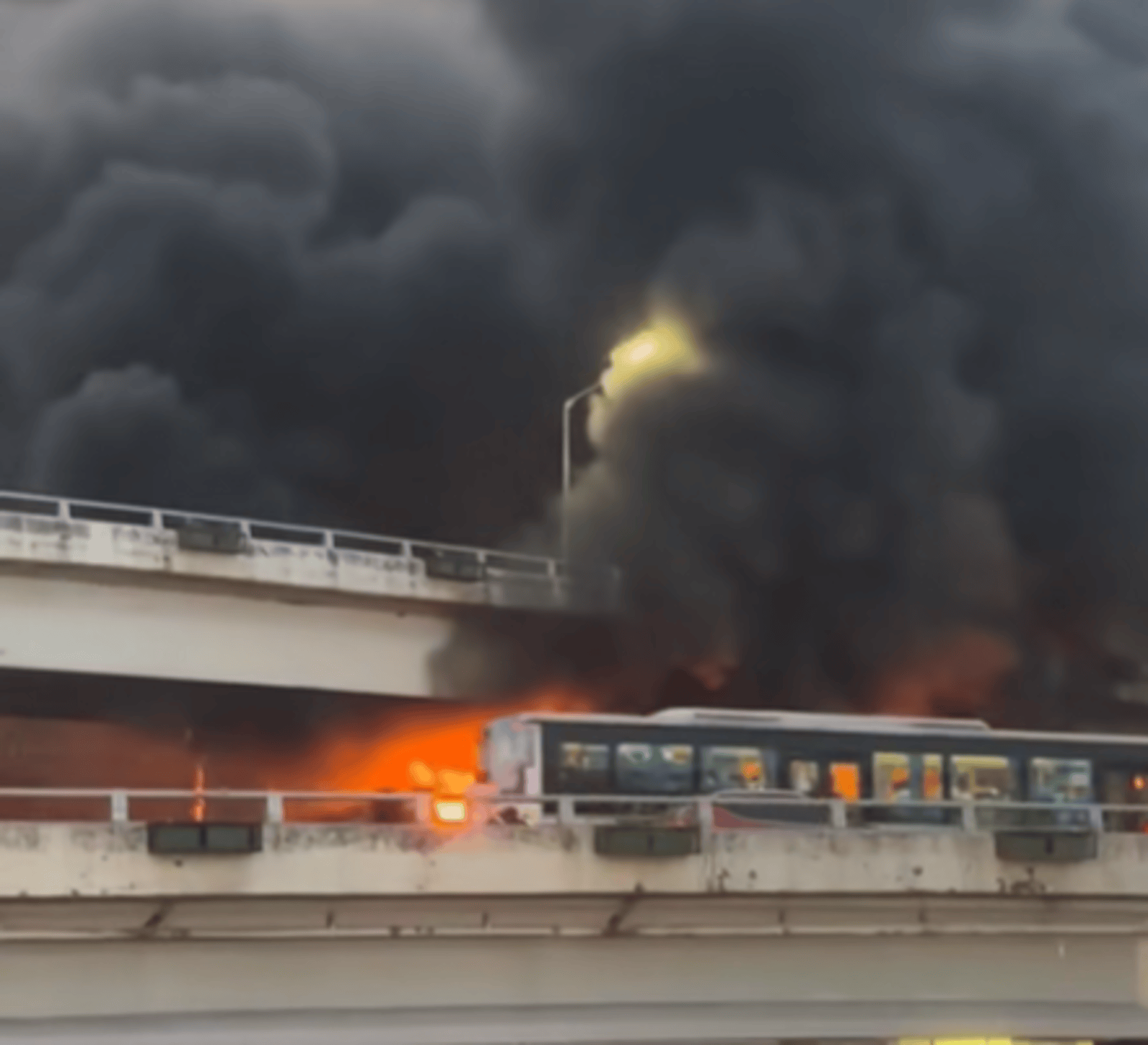
MANILA, Philippines — A bus caught fire along the southbound lane of the EDSA-Ortigas Flyover on the evening of April 24, 2026, causing major disruption to one of the busiest transport corridors in Metro Manila. Authorities immediately responded to contain the blaze and restore normal traffic flow.
The incident also temporarily affected operations of MRT-3 at around 6:50 PM, adding to commuter inconvenience during peak travel hours. Heavy traffic congestion quickly built up in the surrounding area as emergency teams secured the scene and motorists were forced to slow down or seek alternate routes.
While no immediate casualty reports were mentioned, transport fires in dense urban corridors are always alarming. They endanger passengers, motorists, nearby structures, and even rail operations when incidents happen close to critical infrastructure. In a city where millions rely on daily public transportation, even a single mechanical failure can create ripple effects across multiple systems.
The event once again raises questions about fleet maintenance, roadworthiness checks, and emergency preparedness among public utility vehicles. Aging buses, electrical faults, overheating engines, fuel leaks, and insufficient preventive maintenance are common risk factors in vehicle fires. If inspections are inconsistent, the danger increases.
For commuters, disruptions like this are more than inconvenience. Delays mean missed work hours, lost income opportunities, stress, and reduced confidence in public transport systems already under pressure from congestion and heavy demand.
Metro Manila’s mobility challenge is not only about building more roads or rail lines. It is also about ensuring that existing vehicles are safe, reliable, and properly monitored before breakdowns become emergencies.
As authorities investigate the cause, the public will likely look beyond the flames and ask whether preventable risks are being addressed seriously enough.
When transport incidents repeatedly paralyze major routes, is the real problem traffic—or the failure to prioritize safety before disaster strikes?
(Larawan mula: Ramz Dong Abao)