
Fil-Am reported among 19 killed in Negros clash — International angle or domestic crisis?
Robel A. Almoguerra • Ipinost noong 2026-04-24 22:01:12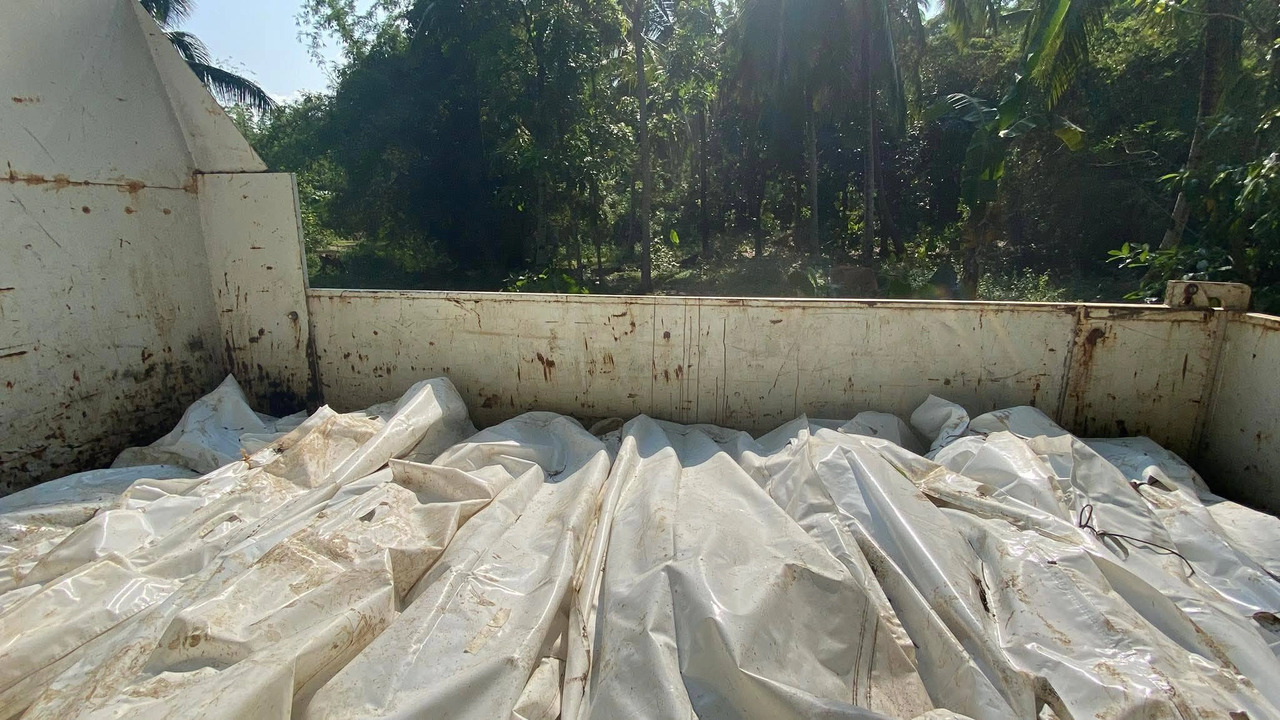
TOBOSO, Negros Occidental — A Filipino-American national was reported among the 19 alleged members of the New People's Army killed during an armed encounter with the Philippine Army in Barangay Salamanca, Toboso on April 19, 2026.
According to a statement from the National Task Force to End Local Communist Armed Conflict, the individual was believed to be in his 40s and reportedly from California, with alleged links to Anakbayan-USA. Authorities, however, clarified that full identity verification and additional details remain ongoing.
The report has immediately drawn public attention because it suggests that the decades-long insurgency issue in the Philippines may still carry international dimensions—whether ideological, organizational, or personal. Yet caution is necessary. In conflict situations, early information is often incomplete, and claims regarding identity or affiliation require independent verification.
Beyond the nationality angle, the more significant issue may be why armed insurgency continues to persist after so many years. For many observers, the roots of rebellion are less about nationality and more about poverty, land inequality, governance failures, limited opportunities, and political distrust in rural communities.
The presence of a foreign-linked individual, if confirmed, may become a headline. But headlines can distract from the deeper structural problems that allow recruitment and armed resistance to continue. Security operations may suppress armed groups temporarily, yet lasting peace usually depends on economic inclusion, justice systems, education, and credible local governance.
At the same time, any armed movement that resorts to violence inevitably places communities, soldiers, and civilians at risk. Each clash adds to a cycle of death that rarely resolves the original grievances.
As investigations continue, the incident may revive debate on whether the conflict should be viewed mainly as a security problem or a social and political one.
When outsiders appear in a local insurgency, is the real story foreign influence—or the unresolved conditions that keep rebellion alive at home?
(Larawan mula: Bombo Radyo Cauayan)