
Drunk drivers beware: Bam Aquino’s new bill slams loopholes, lowers limits, demands accountability — zero excuses!
Marijo Farah A. Benitez • Ipinost noong 2026-04-24 18:58:54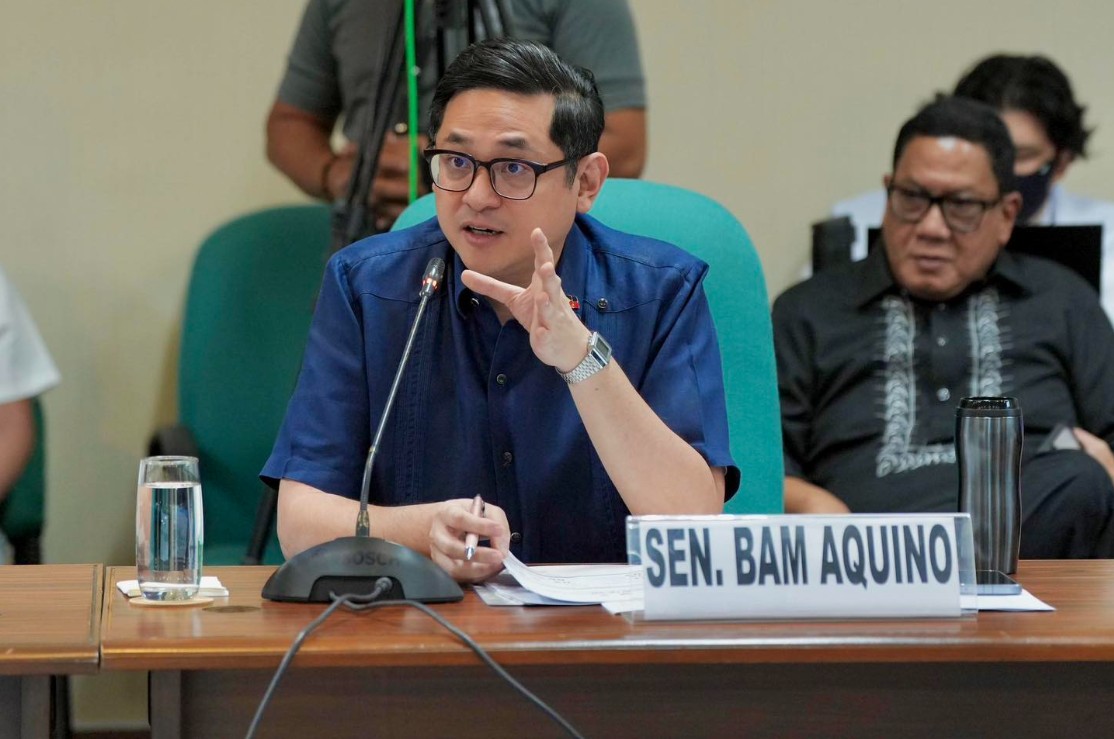
APRIL 24, 2026 — Senator Bam Aquino’s Senate Bill No. 2068 is shaking up the conversation on road safety, aiming to plug glaring loopholes in the country’s anti-drunk and drugged driving law. With road crashes surging by over 255% during Holy Week alone, the bill’s timing couldn’t be more urgent.
A law that lost its teeth
Republic Act No. 10586, passed in 2013, was supposed to be a strong deterrent against drunk and drugged driving. But Aquino argues it has failed to keep pace with the realities on our roads.
“What was intended to be a strong deterrent has not kept pace with the realities on our roads. Too many families continue to lose loved ones. Too many drivers still take the risk of getting behind the wheel while impaired. And too often, accountability comes too late, or not at all,” Aquino said.
The numbers back him up. The Department of Health reported 1,555 road crashes during Holy Week 2026, a staggering 255.8% increase compared to the same period last year.
The case that exposed the cracks
Aquino’s push was fueled by the tragic death of 23-year-old Kingston Ralph Cheng, killed in a hit-and-run in Cebu City last February. The suspect allegedly evaded liability because testing was delayed, allowing his blood alcohol level to dissipate.
“Under the current law, a driver can evade liability simply by avoiding immediate testing. This is unacceptable; justice should not depend on how long someone can delay enforcement,” Aquino stressed.
This loophole is not just technical but also moral. How many more families must bury their children because the law allows suspects to slip through cracks in enforcement?
What the bill proposes
Senate Bill No. 2068 introduces sweeping changes:
- Lower BAC thresholds: 0.02% for novice and professional drivers, 0.03% for private drivers, down from 0.05%.
- Implied consent: Holding a license means agreeing to alcohol or drug testing when required.
- Mandatory testing within two hours of an incident, enforced by police and medical institutions.
- Retrograde extrapolation: A scientific method to estimate intoxication at the time of driving, even if testing is delayed.
- Ignition interlock devices for repeat offenders.
- Mandatory alcohol safety programs for violators.
Aquino frames this under a “Vision Zero” approach — the belief that no loss of life on our roads is acceptable.
“Road safety is not just a matter of enforcement. It is a matter of policy, design, behavior, and accountability working together,” he said.
This is about public utility drivers who risk their lives daily, students commuting to school, and families traveling during holidays. Every crash is a story of broken lives.
But will stricter laws actually change behavior, or will they just add another layer of bureaucracy? Enforcement has always been the Achilles’ heel of Philippine policy. We’ve seen laws passed with good intentions, only to be undermined by weak implementation and corruption.
Still, Aquino’s bill forces us to confront a hard truth: our roads are unsafe, and young Filipinos are paying the price. If this measure can close loopholes and make accountability unavoidable, then perhaps it’s the wake-up call we need.
(Image: Bam Aquino | Facebook)