
Cheaper fuel ahead? DOE halts fuel imports as storage hits ceiling
Marijo Farah A. Benitez • Ipinost noong 2026-04-28 09:43:01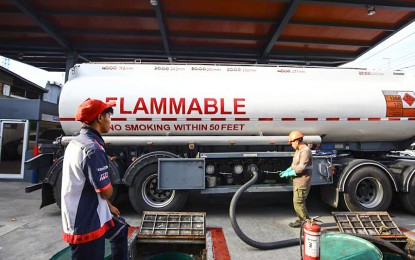
APRIL 28, 2026 — The Department of Energy (DOE) has officially paused government-led fuel imports for May 2026 after national storage facilities reached near-maximum capacity, leaving the Philippines with a robust 54-day fuel reserve — enough to last until mid-June. This move, while logistical in nature, comes as Pinoys enjoy major rollbacks in diesel and kerosene prices this week.
Energy Undersecretary Alessandro Sales confirmed that no shipments are lined up for May, following the arrival of 900,000 barrels of diesel in April. He explained that the country is “running out of room” to store buffer stocks, with inventories already pushed above the 50-day mark through aggressive buying.
Energy Secretary Sharon Garin added that the nation’s storage infrastructure can only hold up to 60 days’ worth of supply, making further imports impractical at this stage.
The build-up was achieved through four diesel shipments totaling 1.12 million barrels, managed by the Philippine National Oil Company-Exploration Corp. (PNOC-EC). The procurement program began in late March with a shipment from Japan and was designed to shield consumers from volatile global oil prices amid Middle East tensions.
Reserves breakdown
As of April 24, the Philippines’ fuel stockpile stands at:
- Gasoline: 53.91 days
- Diesel: 54.61 days
- Kerosene: 168.74 days
- LPG: 38.44 days
This cushion ensures that transport, logistics, and agriculture — sectors most vulnerable to supply shocks — remain stable despite global uncertainty.
Relief at the pump
Motorists are already feeling the impact. Starting April 28, diesel prices dropped by ₱12.94 per liter and kerosene by ₱15.71 per liter, while gasoline saw a modest ₱0.53 increase.
Garin explained that pump prices vary depending on location, with inland stations typically charging more due to delivery costs.
The DOE also reiterated that price rollbacks must meet minimum thresholds, while hikes cannot exceed prescribed limits — ensuring consumers benefit from the government’s intervention.
This pause in imports is indeed a breather. It shows foresight: the government stocked up aggressively when global prices were unstable, and now it’s letting reserves work for the people. The timing couldn’t be better — families grappling with high food and utility costs finally see relief at the gas pump.
Still, the tight LPG supply is worth watching. With only 38 days of cushion, households dependent on LPG for cooking could feel the pinch sooner than motorists if global shocks persist. The DOE must ensure that this segment doesn’t become the weak link in the energy chain.
With fuel reserves brimming and prices finally easing, will this pause in imports mark the start of real stability for Filipino consumers?
(Image: Philippine News Agency)