
PH scrambles for extradition treaties as fugitive Zaldy Co slips through Europe's cracks
Marijo Farah A. Benitez • Ipinost noong 2026-04-28 13:17:59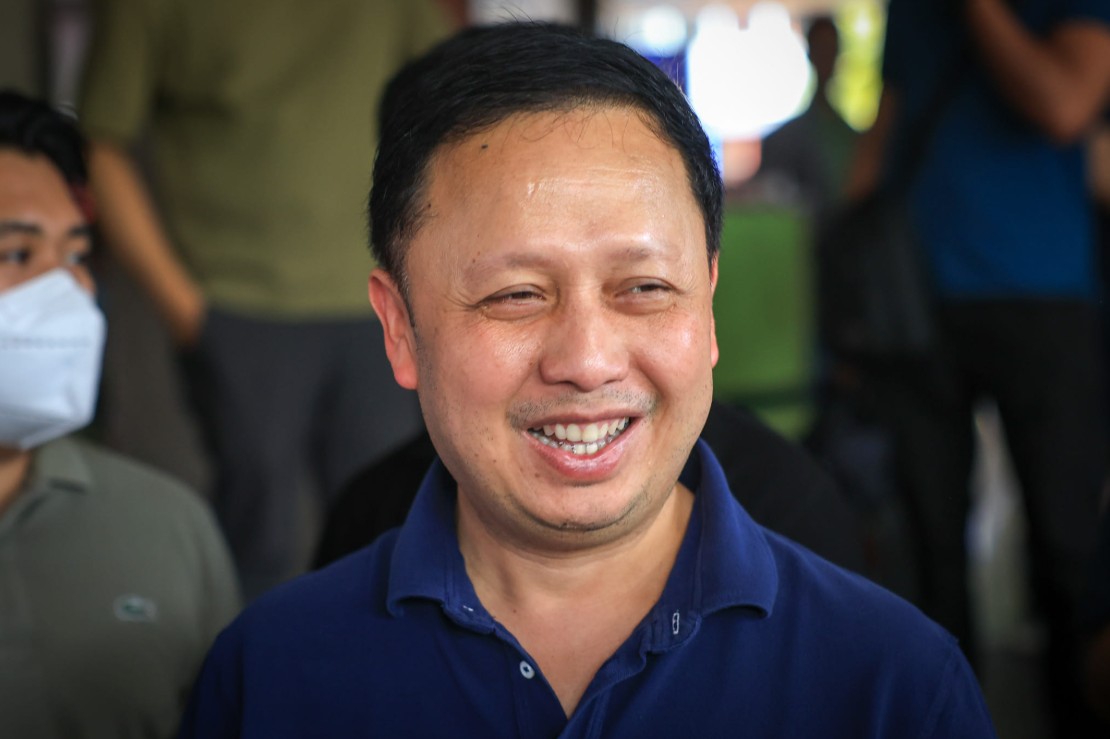
APRIL 28, 2026 — The Philippines and the Czech Republic have agreed to start formal negotiations on extradition and mutual legal assistance treaties, a move triggered by the controversial case of fugitive ex-lawmaker Zaldy Co, who has slipped out of Czech custody and is now reportedly roaming free within Europe’s Schengen zone.
The Department of Justice (DOJ), led by Acting Secretary Fredderick Vida, announced in Prague that Manila and Prague will negotiate three crucial agreements: a mutual legal assistance treaty, an extradition treaty, and a transfer of sentenced persons agreement. These talks come after Czech authorities confirmed that Co, once detained for immigration violations, is no longer in their custody.
Vida admitted bluntly: “Yes, he is free.”
Co, a former Ako Bicol representative and ex-chair of the House appropriations committee, faces graft and malversation charges linked to a flood control project in Naujan, Oriental Mindoro. Arrest warrants were issued by the Sandiganbayan in late 2025, and his passport was canceled soon after. Yet despite these legal hurdles, Co managed to cross borders within the Schengen area, where land travel often bypasses strict checks.
The diplomatic scramble
President Ferdinand Marcos Jr. earlier announced Co’s detention in mid-April, raising public expectations that the fugitive would soon be flown back to Manila. Interior Secretary Jonvic Remulla even suggested Co could be home within a month.
But the revelation that Co is no longer in Czech custody has embarrassed Philippine authorities and exposed the absence of an extradition treaty between the two countries.
Czech officials cited Schengen rules and data privacy laws as reasons for withholding details about Co’s release and whereabouts. Vida himself admitted that without a police cooperation agreement, the Philippines had little leverage.
The DOJ is now banking on international frameworks like the United Nations Convention Against Corruption and possible Interpol red notices to tighten the net.
The saga of Zaldy Co is more than just a legal drama — it’s a test of how far our government will go to hold powerful figures accountable. The negotiations with Prague could finally give the Philippines tools to pursue fugitives abroad, Co in particular.
Without binding agreements, justice can be delayed — or denied — when suspects exploit loopholes in foreign jurisdictions.
Will the Philippine government finally prove that no fugitive, no matter how powerful, can outrun accountability?
(Image: Rep. Zaldy Co | Facebook)