
Jay Sonza arrest challenged — Camp questions non-bailable warrant
Margret Dianne Fermin • Ipinost noong 2026-05-01 18:40:49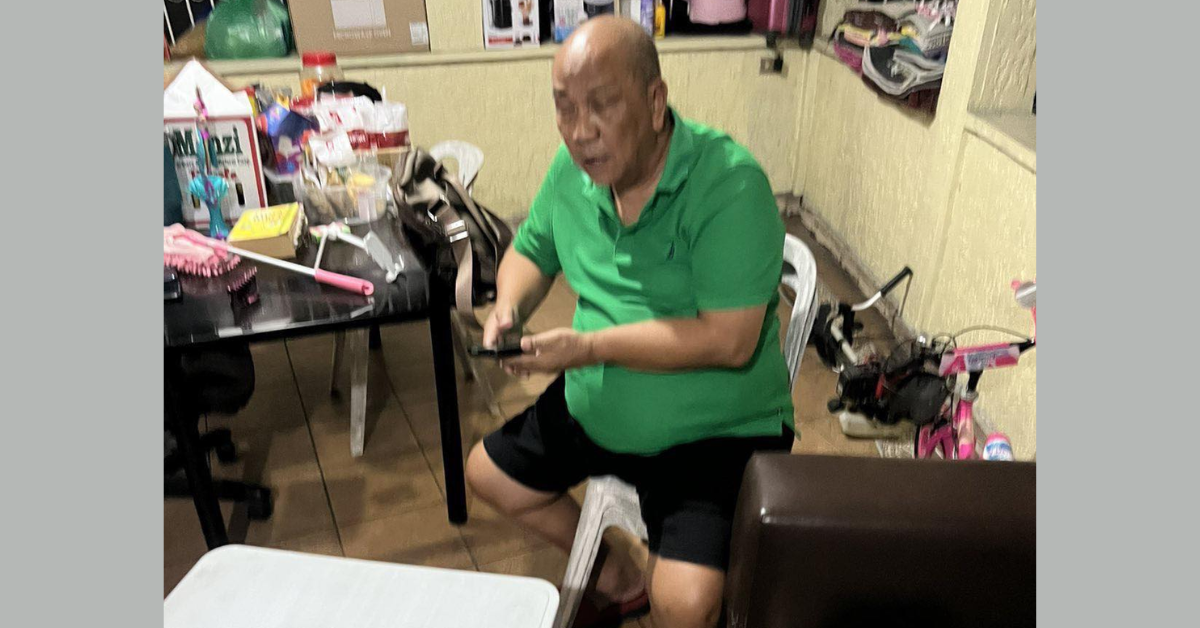
MANILA, Philippines — The camp of veteran broadcaster Jay Sonza vowed to challenge the issuance of a non-bailable arrest warrant against him, calling it “highly irregular” and legally questionable given the nature of the charges he faces.
Sonza was arrested by the National Bureau of Investigation (NBI) in Quezon City on April 30, 2026, over allegations that he spread false medical information about President Ferdinand Marcos Jr.
Sonza’s lawyer, Atty. Mark Tolentino, argued that the case of unlawful use of means of publication and unlawful utterances under Article 154 of the Revised Penal Code, in relation to the Cybercrime Prevention Act of 2012, is ordinarily treated as a bailable offense.
“Under prevailing rules and practice, this is ordinarily treated as a bailable offense, and in many instances, courts do not immediately issue a warrant of arrest but instead proceed by way of summons,” Tolentino told GMA News Online. “Given this, the issuance of a non-bailable warrant is, with due respect, highly irregular and legally questionable.”
Tolentino said their legal team will file appropriate motions before the Pasay Regional Trial Court Branch 118, including a motion to recall or quash the warrant of arrest, and will seek clarification on the proper application of bail. “We will also assert all available remedies to protect our client’s rights and ensure full compliance with due process,” he added.
The NBI earlier confirmed that the Pasay RTC issued the warrant against Sonza, noting that it indicated the offense was “not bailable.” Sonza was charged after investigators preserved digital evidence of posts allegedly disseminating unverified medical information about the President, including screenshots and reposted content. These materials were submitted to the Department of Justice, which led to the filing of charges and the eventual issuance of the warrant.
Sonza himself expressed surprise at the nature of the warrant, saying he had been prepared to post bail. “I was ready to post my bail kanina, kaya lang wala pang warrant kanina eh, so I am surprised they have a warrant tonight. And it was supposed to be a bailable, nakalagay dito, non-bailable. You know the process,” he told reporters after his arrest.
Tolentino also questioned the timing of the arrest, which took place on the eve of a holiday, effectively preventing Sonza from posting bail until the next working day. He described the move as a calculated effort that resulted in “unnecessary and prolonged detention.”
The case has sparked debate among legal experts, with Sonza’s camp insisting that the denial of bail constitutes a misapplication of the law. “The case of unlawful publication in relation to the Cybercrime Prevention Act of 2012 and the Revised Penal Code is not punishable by life imprisonment or reclusion perpetua. Therefore, it is bailable as a matter of right,” Tolentino said in a separate statement.
As Sonza remains in NBI custody, his lawyers are preparing to challenge the court’s decision, setting the stage for a legal battle that could test the boundaries of cybercrime law and constitutional rights to bail in the Philippines.
Image from NBI