
Philippine peso hits record low — Falls to ₱61.30 vs dollar
Margret Dianne Fermin • Ipinost noong 2026-04-28 17:54:32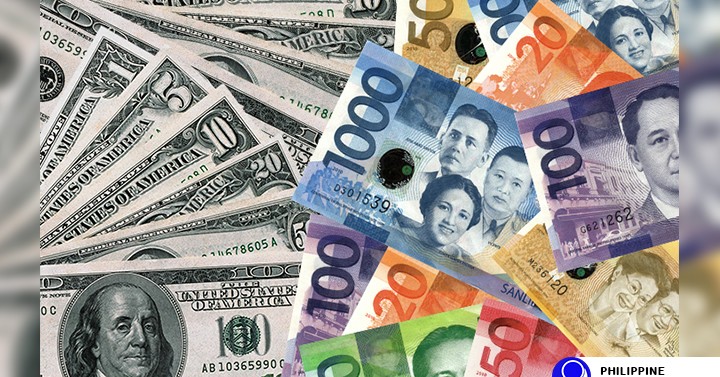
April 28, 2026 — The Philippine peso has crashed to a historic low, breaching ₱61 against the US dollar for the first time on April 28, 2026. The local currency closed at ₱61.30 per dollar, its weakest finish ever, driven by global oil price spikes, geopolitical tensions, and strong US interest rates.
Data from the Bankers Association of the Philippines showed the peso closing at ₱61.30 per dollar, nearly 60 centavos weaker than its previous record low of ₱60.748 set on March 31. The peso opened the day at ₱60.80 before sliding further in intraday trading.
The sharp depreciation comes just weeks after the peso briefly recovered to ₱59.43 on April 8, following a temporary ceasefire between the US and Iran that reopened the Strait of Hormuz. However, stalled peace talks reignited oil price surges, dragging the peso back down.
Bangko Sentral ng Pilipinas (BSP) Governor Eli Remolona acknowledged the peso’s weakness but reiterated the central bank’s stance of limited intervention. “We don’t use policy rates to support the peso. We try to let the peso find its own level. We intervene only to smooth volatility and swings,” Remolona said.
Last week, the BSP implemented a surprise 25-basis-point rate hike, raising the policy rate to 4.5 percent, its first increase in two years. The central bank now projects inflation to average 6.3 percent in 2026, far above its earlier forecast of 5.1 percent, with inflation expected to remain above 5 percent for the rest of the year.
Economists explained that the peso’s weakness is largely driven by global factors. Robert Dan Roces of SM Investments Corp. said, “US rates are still high, the dollar is strong, and money is moving out of emerging markets. The hike likely slowed the drop rather than reversed it.”
HSBC economist Aris Dacanay added that the peso’s decline mirrors trends across other Asian currencies. “The peso’s weakness is driven more by global factors, and the hike likely slowed the drop rather than reversed it,” he said, noting that defending the peso too aggressively could increase financial risks.
While the depreciation benefits overseas Filipino workers (OFWs) by increasing the peso value of remittances, it also makes imports such as oil and food more expensive, worsening inflation. A weaker peso also raises the cost of servicing the country’s foreign debt, most of which is dollar-denominated.
The peso’s slide coincided with a downturn in the Philippine Stock Exchange Index (PSEi), which dropped for the fifth straight day to 5,866.79, reflecting investor concerns over inflation, oil prices, and geopolitical instability.
For now, the peso’s breach of ₱61 marks a critical moment for the Philippine economy, underscoring the impact of global shocks on domestic markets. Analysts warn that unless oil prices stabilize and geopolitical tensions ease, the peso may continue to face downward pressure in the coming months.