
PLDT brings 3D holographic medicine to PH hospitals, promises safer surgeries for Filipinos
Marijo Farah A. Benitez • Ipinost noong 2026-01-02 17:32:40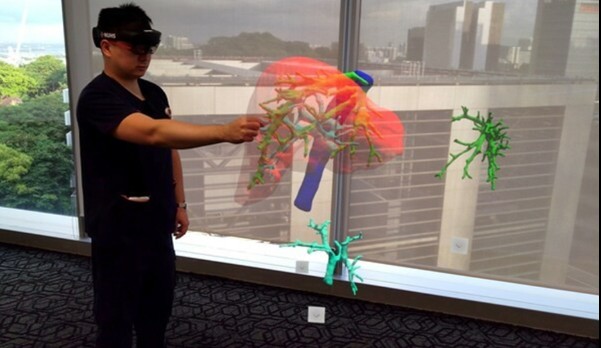
JANUARY 2, 2026 — PLDT Enterprise has sealed a partnership with German firm apoQlar to introduce cutting-edge medical technology in the Philippines, marking a leap toward immersive healthcare powered by 5G and cloud infrastructure.
At the center of this collaboration is apoQlar’s HoloMedicine platform, a European Conformity-certified and FDA-registered software that transforms medical imaging and training through three-dimensional holographic visualization. The system allows doctors to view patient data in real time, plan surgeries with greater precision, and shorten training periods by as much as 30 percent.
Blums Pineda, senior vice president and head of PLDT’s enterprise business group, said, “By combining PLDT’s connectivity solutions and apoQlar’s world-class HoloMedicine technology, we are opening new frontiers in how medical professionals learn, collaborate, and deliver care.”
Rajeshwari Kanesin, apoQlar’s Asia Pacific head, added, “Through HoloMedicine and PLDT’s 5G infrastructure, we can enhance the way doctors visualize data, plan surgeries, and train for complex procedures – ultimately improving patient outcomes and advancing digital health care in the region.”
The technology is already being used by major institutions abroad, including Mayo Clinic in the United States, NUHS Singapore, and University Malaya Medical Center in Malaysia. Its arrival in the Philippines signals a shift toward digital medicine that could redefine how hospitals and universities train future doctors.
Promise or privilege?
While the technology sounds impressive, the big question is whether it will reach everyone. Can smaller hospitals and provincial clinics eventually afford and adopt this kind of system, or will it stay limited to big city medical centers?
The promise is huge — shorter training time for doctors, sharper diagnostics, and more precise surgical planning. But the real test is making sure ordinary Filipinos benefit, not just those treated in top-tier hospitals.
For patients, this could mean safer operations and better recovery. For doctors, it’s a tool that cuts down on guesswork and makes teamwork smoother. And for the healthcare system as a whole, it’s a chance to speed things up, reduce errors, and modernize at a time when the demand for reliable care keeps growing.
(Image: apoQlar medical)