
Ramon Ang revives offer to sell Petron to government — Is takeover needed?
Margret Dianne Fermin • Ipinost noong 2026-03-27 17:27:05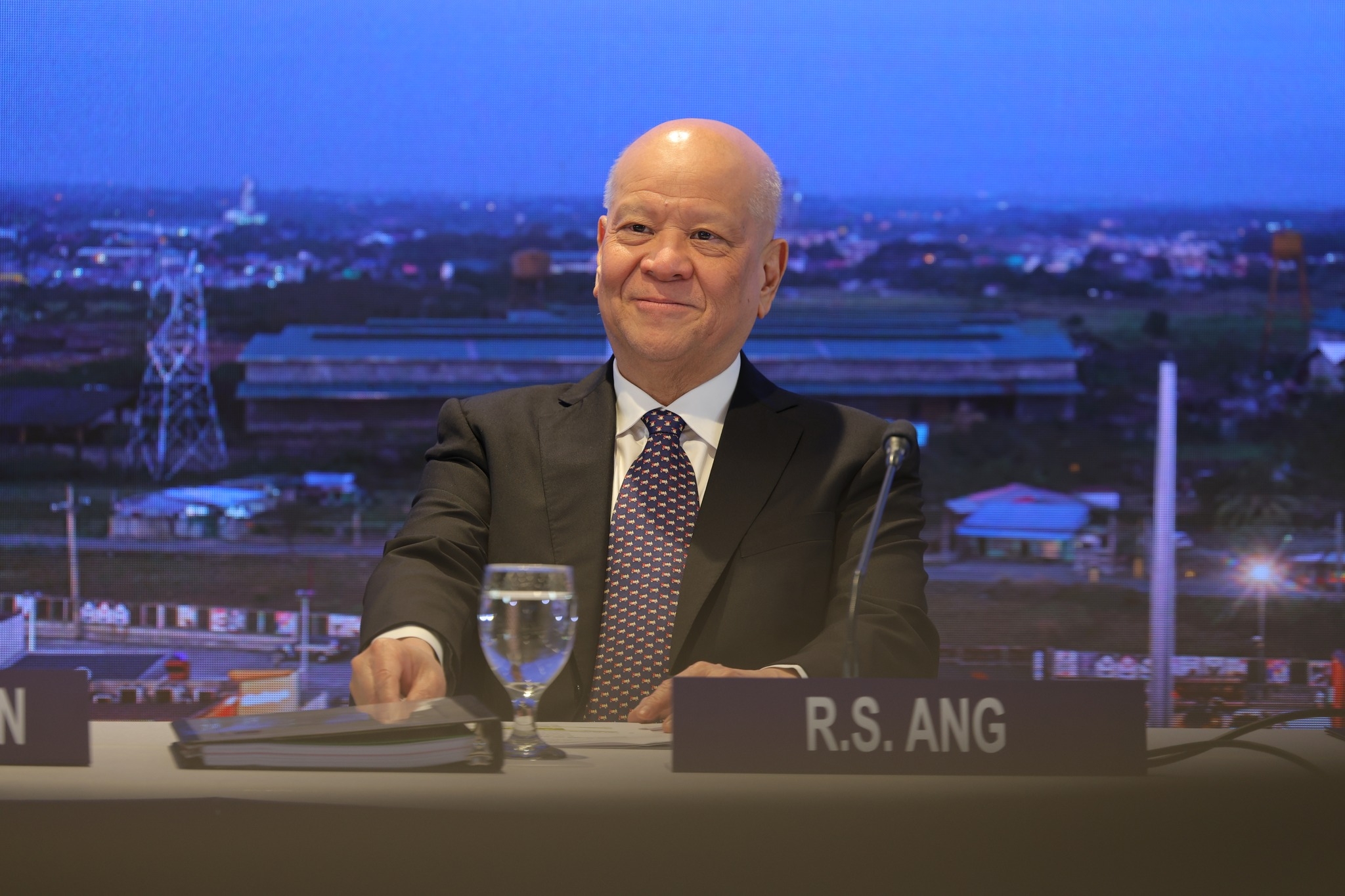
MANILA, Philippines — Ramon Ang, President and CEO of San Miguel Corporation, has revived his long-standing offer to sell Petron Corporation to the Philippine government amid the ongoing national energy emergency and global oil price shocks.
He emphasized that the proposal, first raised in 2021, remains open and could be structured in tranches at fair market value to ease the burden on consumers.
On March 27, 2026, Ang told reporters that the government should decide whether public ownership of Petron, the country’s largest oil refiner and retailer, is necessary to stabilize fuel supply and protect Filipinos from volatile global prices.
“I first made this offer to Congress in 2021, and it remains open. If the government believes that Petron under its ownership will better serve the Filipino people especially in times like these, we are ready to sit down and make it happen,” Ang said.
Petron operates the Bataan refinery, the only remaining oil refinery in the Philippines, which is considered critical to national fuel security. Ang explained that the sale would not require a massive one-time payment from the government, as it could be arranged in tranches at fair market value.
The renewed offer comes as the Philippines faces a State of National Energy Emergency, declared by President Ferdinand Marcos Jr. following disruptions in global oil supply chains, particularly in the Strait of Hormuz. Diesel prices are projected to hit ₱146 per liter next week, while supermarkets have already announced price hikes on basic goods starting April 1 due to rising transport costs.
Ang also assured the public that Petron will not exploit the crisis. “I promise the public, we will not take advantage of this fuel crisis,” he said, stressing that the company will cooperate with government efforts to ease the burden on consumers.
Analysts note that government ownership of Petron could give the state more control over fuel pricing and supply, but it also raises questions about fiscal sustainability and management efficiency. The Department of Finance has yet to comment on whether the government is seriously considering the acquisition.
This development underscores the urgency of finding long-term solutions to the Philippines’ energy vulnerability. While Ang’s offer provides a potential safety net, experts warn that structural reforms, renewable energy investments, and diversification of supply sources remain essential to shield the economy from future oil shocks.