
Green Xentro floods Rizal with EV taxis to outsmart the pump
Marijo Farah A. Benitez • Ipinost noong 2026-03-26 14:36:00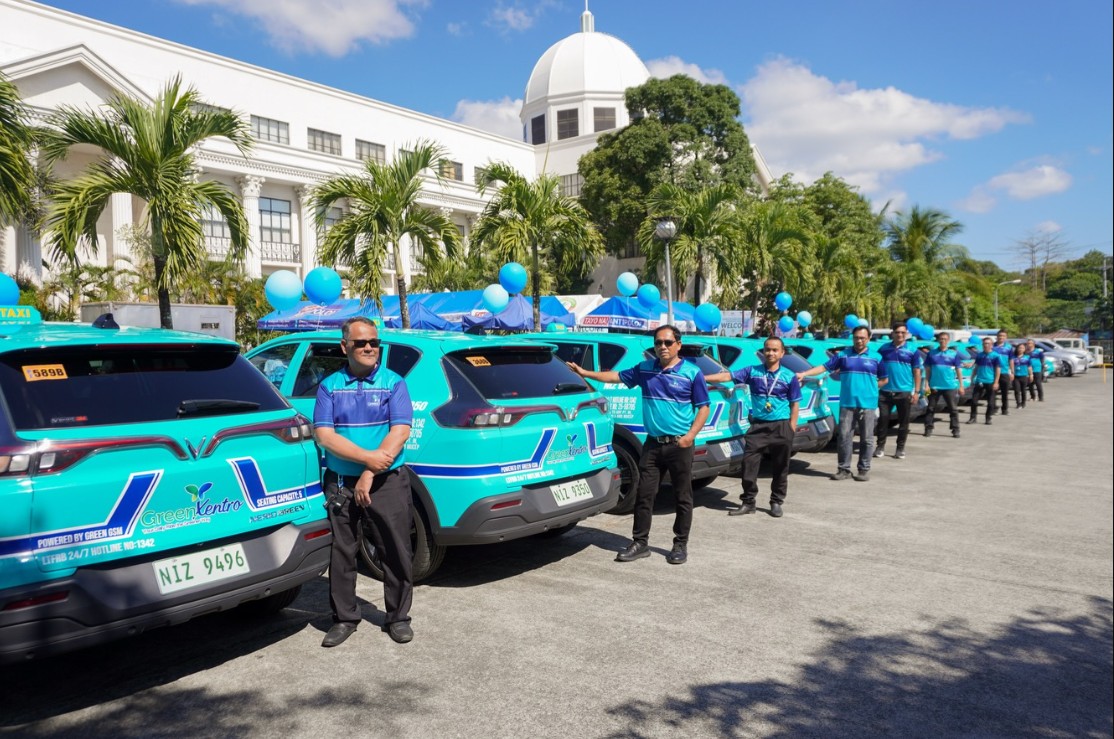
MARCH 26, 2026 — Green Xentro’s rollout of 500 EV taxis in Rizal, with plans to scale up to 2,500 units, is a bold move that directly challenges the stranglehold of rising fuel prices on commuters’ wallets. By promising no surge pricing and building charging hubs in Xentro malls, the company is positioning itself as both a disruptor and a lifeline for Pinoys tired of unpredictable fares.
A turquoise fleet against the fuel crisis
Every time oil prices spike, commuters are the first to suffer. Traditional taxis and ride-hailing apps pass the burden straight to passengers through fare hikes and surge pricing. Green Xentro’s turquoise EV taxis, launched in partnership with Green GSM, are a refreshing counterpunch.
No surge pricing, fixed metered fares, and charging costs shouldered by the company — that’s a trifecta commuters have been waiting for.
The rollout in Rizal isn’t random. Xentro malls already host charging stations, and Vinfast dealerships provide added support. This infrastructure-first approach addresses the dreaded “range anxiety” that has haunted EV adoption in the Philippines.
As CEO Noel Ignacio put it, “We prepare the infrastructure before we open in the area ... para hindi tayo magkaroon ng range anxiety for passengers.”
(We prepare the infrastructure before we open in the area... so passengers won’t experience range anxiety.)
Jobs, dignity, and stability
Beyond commuters, this initiative is shaking up the transport labor market. Instead of the traditional “boundary system” where drivers scramble daily to meet quotas, Green Xentro offers fixed salaries, incentives, and statutory benefits. That’s unheard of in the local taxi industry. For many drivers, the promise of stable income and waived charging fees is a game-changer.
It’s also inclusive. One driver shared how, at 40 years old, she struggled to find work despite her qualifications. Green Xentro’s openness to “all gender” applicants gave her a second chance.
Now this isn’t just about electric cars but about dignity, opportunity, and professionalizing a sector long plagued by informality.
Oil wars and power play
Of course, the elephant in the room is global volatility. The ongoing US-Israel war against Iran has disrupted oil supplies, pushing pump prices higher. While electricity rates may feel some ripple effects, Ignacio stressed that power generation in the Philippines draws from diverse sources — solar, hydro, coal — making it less vulnerable to oil shocks.
That’s a crucial distinction: EV taxis may not be immune to global crises, but they’re far less exposed than their gas-guzzling counterparts.
This is about reclaiming control from a transport system that has long left commuters powerless. It’s about proving that cleaner, cheaper, and fairer mobility is possible in the Philippines.
And it’s about sparking a conversation, too. If one company can break the mold, why can’t others?
(Image: Green GSM Philippines | Facebook)