
PH branded Asia's weak link in 2026
Marijo Farah A. Benitez • Ipinost noong 2026-03-25 17:42:21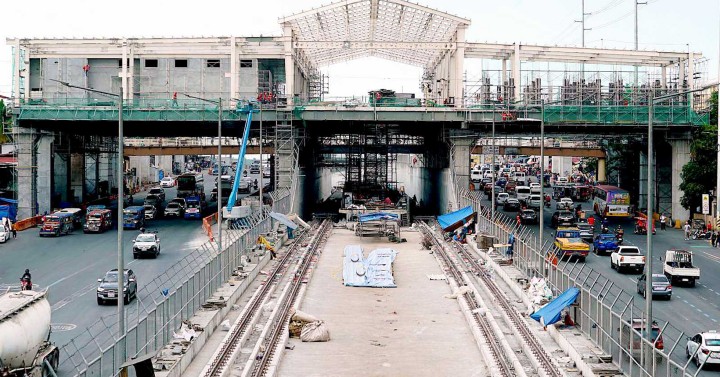
MARCH 25, 2026 — The Philippines has once again been singled out as Asia’s economic laggard for 2026, with ANZ Research cutting its GDP forecast to just 4.7% — a sobering downgrade that underscores how weak infrastructure spending and household strain are dragging us behind our regional peers.
ANZ Research’s latest quarterly report paints a grim picture: seven straight months of declining public infrastructure spending have left the economy gasping for momentum. The Department of Public Works and Highways (DPWH) alone sat on ₱30.36 billion in unused funds by end-2025, and as of February 2026, had tapped only 12% of its annual budget — the lowest utilization among executive departments.
This isn’t just about roads and bridges. ANZ warns that the slowdown has “permeated through household confidence and corporate investment plans.” In other words, when the government stalls, businesses hesitate, and ordinary Pinoys feel the pinch.
The regional contrast
While Asia is showing resilience despite global uncertainties, the Philippines is the only country bucking the trend of improving household spending. Credit growth here leans heavily on salary loans and credit card receivables, which signals stress rather than optimism. Compare that to neighbors like Vietnam and Indonesia, where consumer confidence is rising alongside stronger investment flows.
Moody’s Analytics and Maybank have also trimmed their forecasts, with Moody’s pegging growth at 4.9% and Maybank at 4.5% for 2026. Both figures fall short of the Marcos administration’s 5–6% target, further cementing the narrative of underperformance.
The Middle East war looms large over this outlook. With the Philippines importing 98% of its crude oil from the region, any prolonged conflict could send energy prices soaring and push growth even lower. ANZ notes that while Asia as a whole is better positioned to absorb oil shocks than during the Russia-Ukraine war, the Philippines remains vulnerable.
Here’s the uncomfortable truth: monetary easing won’t save us. Cutting interest rates may provide temporary relief, but ANZ is blunt — “The appropriate remedy is a resumption of public infrastructure spending, the outlook for which is unclear.”
And that’s the heart of the matter. Infrastructure is not just about cement and steel; it’s about confidence, jobs, and the multiplier effect that keeps an economy humming. When government agencies fail to spend, they fail the people who depend on those projects for livelihood and mobility.
What we need is political will, not another round of projections that tell us we’re underperforming. The rest of Asia is moving forward, while we’re stuck debating why billions in funds remain idle. If we don’t fix this spending paralysis, we risk cementing our reputation as the region’s perennial laggard.
(Image: Philippine News Agency)