
PH left bleeding at the pump as ING warns we’re among Asia's worst hit by oil surge
Marijo Farah A. Benitez • Ipinost noong 2026-03-04 17:11:03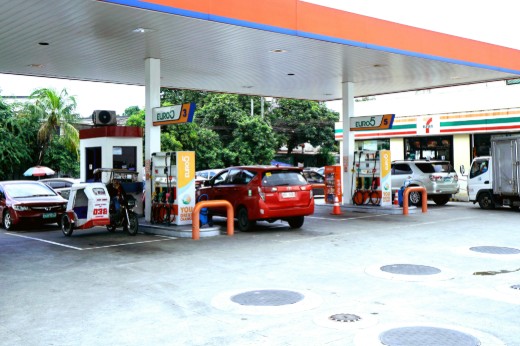
MARCH 4, 2026 — Filipinos are bleeding at the pump, and ING says we’re among Asia’s worst casualties in the latest oil price shock. With nearly 90 percent of our crude oil imports chained to the Middle East, every missile fired in the Strait of Hormuz ricochets straight into our wallets.
Dutch financial giant ING was clear with their statement.
“The Philippines — also among the worst impacted by higher oil prices — tends to see a stronger inflation hit because retail fuel prices are more market-driven and subsidies are limited,” said Deepali Bhargava, ING’s regional head of research for Asia-Pacific.
You see, while our neighbors like Indonesia and Thailand soften the blow with subsidies, we’re left to take the full punch.
And the punch is landing hard. Gasoline prices jumped ₱1.90 per liter this week, diesel climbed ₱1.20, and kerosene rose ₱1.50. That’s nine straight weeks of hikes for gasoline and ten for diesel. Jeepney drivers, delivery riders, and small businesses are feeling the squeeze, while commuters brace for fare increases.
The Strait of Hormuz, a chokepoint where a fifth of the world’s oil flows, is now a geopolitical tinderbox. Iran’s blockade threatens supply lines, and even the mere threat of disruption sends global prices soaring.
For us, that means higher transport fares, pricier electricity, and food costs spiraling upward. Remember: food makes up nearly half of our consumer price index basket. A 10-percent spike in oil prices could push inflation up by 40 basis points.
Oversea-Chinese Banking Corp. echoed the warning, saying the Philippines, along with other Southeast Asian economies, is “exposed to a deterioration in trade balances.” A 10-percent oil price increase could widen our current account deficit by up to 60 basis points, potentially ballooning back to four percent of GDP.
As of September 2025, the deficit had narrowed to $12.5 billion, or 3.6 percent of GDP. But prolonged oil shocks could undo that progress, dragging the peso down and making imports even more expensive. Economists warn that a weaker peso means higher costs for imported oil, which then fuels a vicious cycle of inflation.
Capital Economics estimates crude at $80 per barrel could push headline inflation 50 basis points higher. January inflation was at two percent, but economists already expect an uptick. ING believes inflation will hover within the Bangko Sentral ng Pilipinas’ target of two to four percent, but admits prolonged shocks could push us to the upper end. That forces monetary authorities to hold off on easing interest rates, leaving businesses and consumers with tighter credit conditions.
The bottom line is, this isn’t just about fuel. It’s about the ripple effect — jeepney fares inching up, groceries becoming more expensive, and small businesses cutting costs because fuel eats into their margins. It’s about inflation creeping toward the BSP’s ceiling, and households struggling to stretch their pesos.
We’ve been here before, and unless we rethink our energy security, we’ll be here again. Diversifying energy sources, investing in renewables, and building strategic reserves aren’t luxuries — they’re survival tactics. Because as long as we remain tethered to Middle Eastern oil, every geopolitical flare-up abroad will bleed us dry at home.
How much longer will we allow global oil wars to dictate the price of our daily lives?
(Image: Philippine News Agency)