
Peso sinks past 61 to US dollar; debt, imports weigh heavier on the average Pinoy
Marijo Farah A. Benitez • Ipinost noong 2026-04-28 16:38:49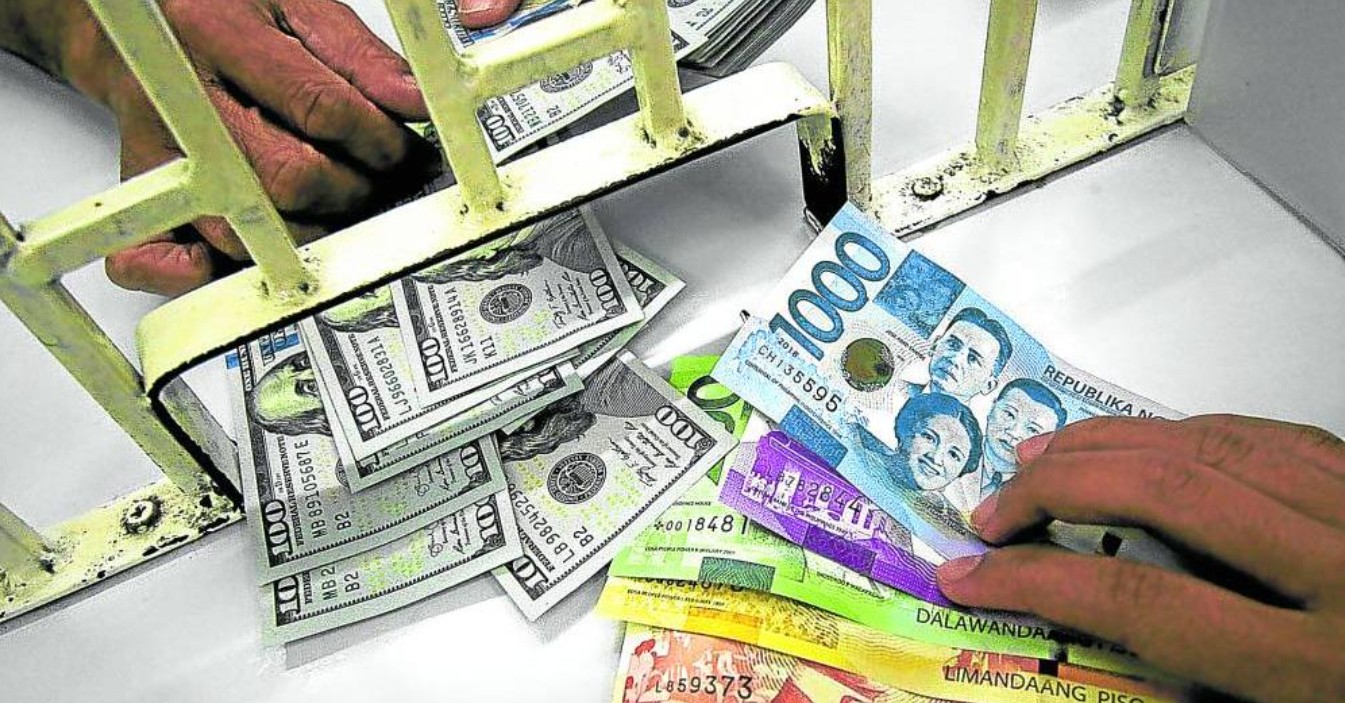
APRIL 28, 2026 — The peso has crashed to a historic low, breaching ₱61 to the US dollar for the first time, a sharp reminder of how global conflicts and economic shocks ripple straight into Filipino households. The drop means more pesos for OFW families but also higher costs for fuel, food, and debt servicing, tightening the squeeze on the average Pinoy.
The Philippine peso closed at ₱61.24 to the dollar on April 28, 2026, its weakest finish ever. It opened at ₱60.80 and slid throughout the day, breaking past the psychological barrier of 61.
This collapse comes after months of volatility tied to the US-Israeli strike on Iran and the stalled peace talks in the Middle East. Oil prices surged again, dragging the peso down. Just weeks earlier, the currency briefly recovered to ₱59.43 after a short-lived ceasefire reopened the Strait of Hormuz.
The Bangko Sentral ng Pilipinas (BSP) tried to stem the tide with a surprise 25-basis-point rate hike to 4.5%, its first in two years. BSP Governor Eli Remolona warned inflation could average 6.3% in 2026, far above earlier forecasts, and signaled more hikes ahead.
Winners and losers
For OFW families, the weak peso means bigger remittances in peso terms. Every dollar sent home now stretches further, cushioning household budgets.
But for the rest of the country, the pain is real:
- Fuel and food imports become more expensive, feeding inflation
- Government debt servicing rises, since a third of our debt is in dollars
- Local businesses reliant on imported goods face higher costs, which trickle down to consumers
The peso was at ₱54.975 when President Ferdinand Marcos Jr. took office. In less than four years, it has lost over six pesos against the dollar, a steep decline that common folk feel at the pump, in the palengke, and in their monthly bills.
The peso’s weakness reflects how vulnerable the Philippines remains to global shocks — wars abroad, oil price swings, and foreign monetary policy decisions.
The question now is whether policymakers can shield us from the fallout, or if households will continue to bear the brunt of a currency under siege.
(Image: Reddit)