
PH debt pile hits record P18.13 trillion — so who’s really paying the price?
Marijo Farah A. Benitez • Ipinost noong 2026-03-05 16:41:43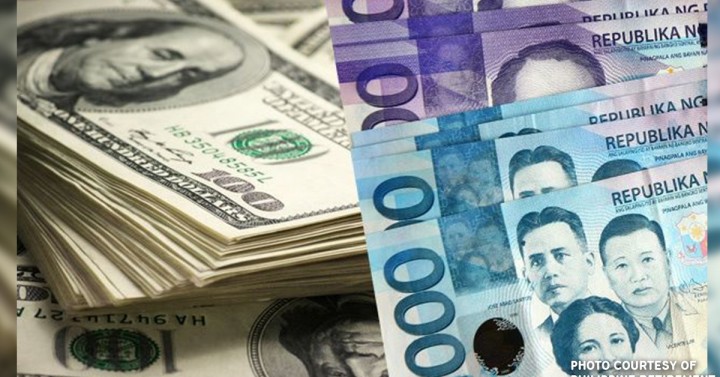
MARCH 5, 2026 — The Philippines has just crossed a historic threshold: our national debt ballooned to P18.13 trillion at the end of January 2026. That’s a record-breaking figure that should make every Filipino pause. According to the Bureau of the Treasury (BTr), this is 11.2 percent higher than the P16.31 trillion recorded in January last year. In just one month, the government added P426.15 billion to the debt pile.
Why the sudden surge? The Treasury explained that the government is “frontloading domestic and external issuances to secure concessional financing terms ahead of global market uncertainties that can further raise interest costs.” In plain language: they’re borrowing early, before the global financial climate gets worse.
Here’s the breakdown:
- Domestic debt makes up 68 percent of the total, now at P12.32 trillion. This strategy shields us from foreign exchange risks, especially with the peso sliding to 58.954 per dollar in January and even hitting 59.46 in mid-February.
- Foreign debt rose to P5.81 trillion, driven by new global bonds and loans from international partners. The peso’s depreciation added another P26.61 billion to the tally.
- The government also issued a triple-tranche global bond, which the Treasury proudly said highlighted “sustained investor confidence in the Philippines’ creditworthiness and long-term growth prospects.”
Now, let’s put this in perspective. The Marcos administration projected debt to reach P19.06 trillion this year. By January, we’re already at 95 percent of that target. That’s like finishing most of your credit card limit in the first month of the year.
The Treasury insists the debt level remains “sustainable.” But here’s the catch: sustainability is a moving target. It depends on how fast our economy grows, how well we manage inflation, and whether the peso stabilizes. For ordinary Filipinos, the word “sustainable” doesn’t mean much if prices of food, fuel, and transport keep climbing.
There’s also the question of confidence. Yes, investors are still buying our bonds. But confidence is fickle. It can vanish if global markets turn sour or if local growth stalls. And while borrowing is necessary for infrastructure, social programs, and pandemic recovery, the sheer size of this debt means future generations will be footing the bill.
So what does this mean for us? It means the government is betting big on growth, hoping that borrowing now will pay off later. It means the peso’s weakness is not just a headline — it’s a reminder that global shocks hit our wallets directly. And it means we, the public, should be asking sharper questions about how this money is being used, and whether it truly benefits the people who will ultimately pay for it.
The debt story isn’t just about numbers but about trust, accountability, and the future we’re building.
But how long can we keep shouldering trillions before the load becomes too heavy to bear?
(Image: Philippine News Agency)