
Businesses cry foul as 4-day work week looms
Marijo Farah A. Benitez • Ipinost noong 2026-03-06 12:42:54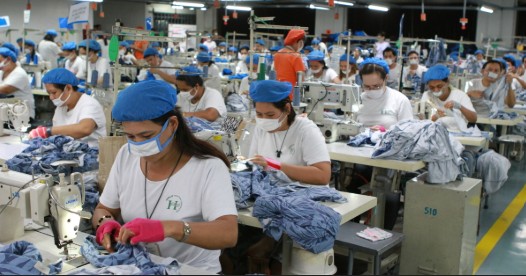
MARCH 6, 2026 — Philippine business groups are sounding the alarm over the proposed nationwide four-day work week, warning that while it promises energy savings and better work-life balance, it could disrupt manufacturing, BPOs, and the country’s competitiveness in Southeast Asia. President Ferdinand Marcos Jr. has signaled openness to studying the proposal amid global oil price risks, but industry leaders insist the government must tread carefully.
The idea of a compressed workweek isn’t new, but the current push comes at a time when energy conservation is top of mind. With tensions in the Middle East driving up oil prices, Malacañang is exploring ways to cut consumption. A four-day work week, advocates argue, could slash utility bills, ease traffic congestion, and give employees more time for family and rest.
Sounds like a win, right? Not so fast.
The business pushback
The Philippine Chamber of Commerce and Industry (PCCI), led by President Perry Ferrer, has been vocal about its reservations.
“We are not against the implementation of flexible work arrangements,” Ferrer said. “But there should be proper consultation with various stakeholders and supported with data to ensure that industries with specific operational requirements will not be adversely affected.”
Manufacturing plants, which run on continuous cycles, could face missed deadlines, supply chain instability, and investor flight if forced into fewer operational days. The Federation of Philippine Industries (FPI) echoed this concern, stressing that “possible effects on supply chain stability, delivery timelines and competitiveness relative to regional peers should be thoughtfully assessed.”
The sector divide
Here’s the catch: not all industries are created equal.
Office-based firms and service sectors may thrive under a four-day schedule, enjoying lower utility costs and happier employees.
Manufacturing, logistics, and BPOs, however, rely on round-the-clock operations and international commitments. Cutting a day could mean cutting competitiveness.
This is why business groups are calling for a sector-sensitive framework, allowing voluntary adoption rather than a blanket mandate.
President Marcos Jr. has yet to make a final call, but the Palace confirmed he is open to studying the proposal, especially if global energy shocks worsen. The government’s challenge is clear: balance the noble goal of conserving energy and improving worker welfare with the hard realities of industrial productivity.
For ordinary workers, the idea of a three-day weekend is enticing. Imagine less time stuck in traffic, lower commuting costs, and more hours for family or side hustles. But if businesses struggle to meet production targets, the ripple effect could mean slower growth, fewer jobs, or even higher prices.
The debate isn’t about whether we deserve better work-life balance — we do. It’s about whether the policy can deliver that without undercutting the industries that keep the economy afloat.
Will a shorter workweek truly empower Filipino workers, or will it end up cutting the country’s economic edge?
(Image: Philippine Information Agency)