
PH peso plunges to the bottom: Are we Asia’s currency punching bag?
Marijo Farah A. Benitez • Ipinost noong 2026-03-23 20:39:02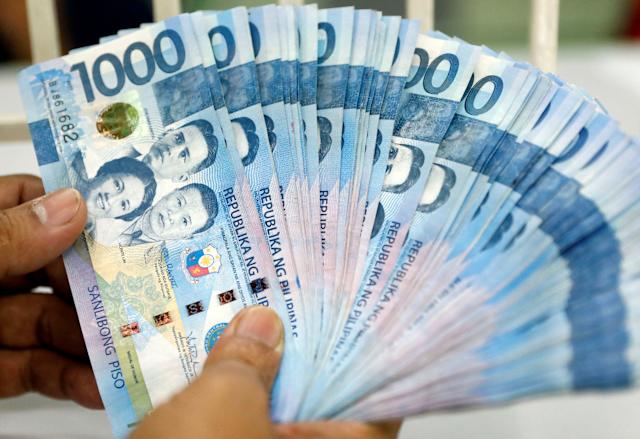
MARCH 23, 2026 — The Philippine peso has once again found itself in the headlines — this time for all the wrong reasons. According to MUFG Bank Ltd., the peso is now among Asia’s worst-performing currencies, tumbling 4 percent against the US dollar since late February. Only the Thai baht has fared worse, sliding 4.9 percent. On March 19, the peso sank to a record low of ₱60.1 per dollar, capping off a brutal 4.2 percent loss for the month.
What’s driving this? Geopolitics. Iran’s retaliation against Israel has rattled global markets, pushing investors toward the safety of the dollar.
Jonathan Ravelas, senior adviser at Reyes Tacandong & Co., explained, “The exchange rate could remain entrenched above the 60 level if the conflict escalates further.”
This means brace yourselves, because this isn’t just a temporary dip — it could be a prolonged slump.
A weaker peso means pricier imports — especially oil. And when oil prices surge, everything else follows: food, transport, electricity. With food carrying heavy weight in our inflation basket, the pain hits hardest at the palengke and the sari-sari store.
The Bangko Sentral ng Pilipinas (BSP) is caught in a bind. It lowered its key policy rate to 4.25 percent in February to stimulate growth after the economy limped to 4.4 percent in 2025, missing the government’s 5.5 percent target. But now, with the peso sliding and oil flirting with the $100-per-barrel mark, the BSP may be forced to reverse course and tighten again.
Governor Eli Remolona Jr. himself admitted that monetary policy is losing its punch, hinting that fiscal reforms and governance fixes must carry the load.
Additionally, borrowing costs are rising. Yields on government bonds have jumped, forcing the state to scale back a debt auction. Investors are wary, and that should worry us. Because when the government struggles to borrow cheaply, it trickles down to higher financing costs for businesses and households.
So where does this leave us? In a precarious spot. The peso’s weakness isn’t just about foreign wars — it exposes our vulnerabilities at home: dependence on imported energy, fragile fiscal credibility, and a central bank running out of ammunition.
Why does it feel like we’re always caught off guard? Every global shock — whether it’s a war, a pandemic, or an oil spike — seems to send us scrambling. We talk about resilience, but resilience without reform is just survival.
The peso’s plunge is a mirror reflecting the cracks in our economic foundation. And if we don’t confront those cracks, we’ll keep paying the price every time the world sneezes.
So if the peso keeps sinking, will we simply endure the pain again, or finally demand the kind of reforms that make us less vulnerable to every storm abroad?
(Image: Yahoo Finance)