
Balikbayan box fees rise as shipping disrupted — How high will costs go?
Margret Dianne Fermin • Ipinost noong 2026-03-24 10:48:45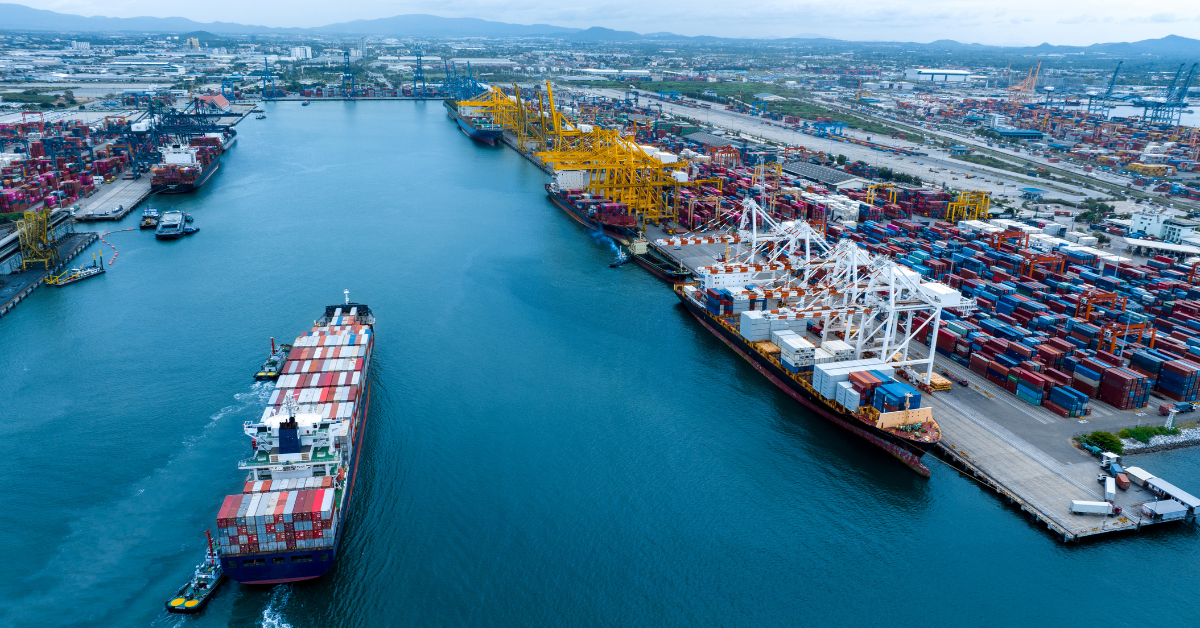
MANILA — Freight forwarders have announced higher fees for sending balikbayan boxes to the Philippines as the ongoing Middle East conflict disrupts global shipping lanes, forcing carriers to impose war risk surcharges and reroute cargo.
Industry groups confirmed on March 23, 2026, that the closure of the Strait of Hormuz has severely affected container movement, particularly from Dubai and other Middle East hubs where thousands of overseas Filipino workers (OFWs) regularly send packages home. Shipping companies have introduced war risk surcharges of up to $3,500 per container, significantly raising costs for freight forwarders and, ultimately, for OFWs.
The Philippine Ports Authority (PPA) warned that the conflict could trigger one of the steepest freight cost hikes in recent years, with smaller forwarders struggling to absorb the added expenses. “We are closely monitoring the situation to ensure that OFWs and their families are not unfairly burdened, but the global shipping disruption is beyond our control,” the PPA said in a statement.
Major carriers, including Maersk, CMA CGM, Hapag-Lloyd, and DHL Express, have already imposed surcharges or restrictions on shipments passing through Middle East trade lanes. Forwarders cautioned that delays are also expected, as rerouted vessels take longer to reach Philippine ports.
OFWs expressed concern that the higher fees will make it more difficult to send essential goods and gifts to their families. Freight forwarder associations advised Filipinos abroad to plan shipments carefully, check updated rates, and anticipate longer delivery times.
The government has assured the public that it is working with industry stakeholders to mitigate the impact, but officials acknowledged that the conflict’s effect on global trade will continue to drive up costs until stability returns in the region.
This development underscores the vulnerability of balikbayan box shipments to global crises, highlighting the need for contingency planning and stronger support systems for OFWs who rely on these packages to stay connected with their families.