
Feathers ruffled: Korean Air blocks US birds bound for ‘sabong’
Marijo Farah A. Benitez • Ipinost noong 2026-05-03 11:21:23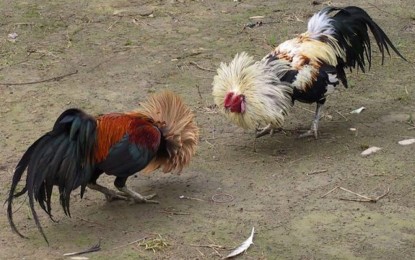
MAY 3, 2026 — Korean Air’s ban on rooster shipments from the United States to the Philippines is shaking up the country’s cockfighting industry, cutting off a major supply line while animal rights groups celebrate a rare victory. The move, announced after months of pressure from activists, could disrupt a billion-peso pastime deeply woven into Filipino culture.
Korean Air confirmed it has suspended the transport of roosters of all ages from the US to the Philippines, citing its commitment to lawful and safe animal transport. While the airline did not directly mention cockfighting, groups like Animal Wellness Action and PETA Philippines said the ban was clearly aimed at curbing the flow of fighting birds.
“We actually hope that other airlines will follow suit ... We commend Korean Air for this move,” said Jana Sevilla of PETA.
For decades, the US — particularly Texas, Oklahoma, and Mississippi — has been a key supplier of gamefowl strains prized by Filipino breeders. Investigations revealed tens of thousands of birds shipped annually, often disguised as farm stock, with some selling for as much as $2,000 each.
Cockfighting, or sabong, remains legal in the Philippines and is a massive industry. At its peak, online betting on e-sabong reached ₱700 billion (US$13 billion) in wagers in 2022, before government crackdowns.
Local breeders like Eduardo Eugenio of Tagum City admit the industry leans heavily on American bloodlines, saying, “Americans are second to none when it comes to propagation of breeding materials.”
The ban could mean shortages of prized fighting stock, higher prices, and a scramble among breeders to source alternatives. For everyday folk who see sabong as both entertainment and livelihood — from cockpit operators to bettors — the ripple effects may be felt quickly.
Animal rights groups hailed the decision as a breakthrough against what they call a cruel sport. Wayne Pacelle of Animal Wellness Action estimated the ban could choke off up to US$80 million in illegal revenues for American cockfighters supplying the Philippine market.
For advocates, this is more than just a transport policy — it’s a moral stand. For breeders and bettors, it’s a looming challenge to a tradition that has survived centuries, pandemics, and political bans.
Do you think cutting off US rooster imports will truly clip the wings of sabong, or will the industry find new ways to keep the fights alive?
(Image: Philippine News Agency)