
Pay up or get out! Trump wants $1 billion for peace seats — turning diplomacy into a billionaire’s club
Marijo Farah A. Benitez • Ipinost noong 2026-01-18 20:07:48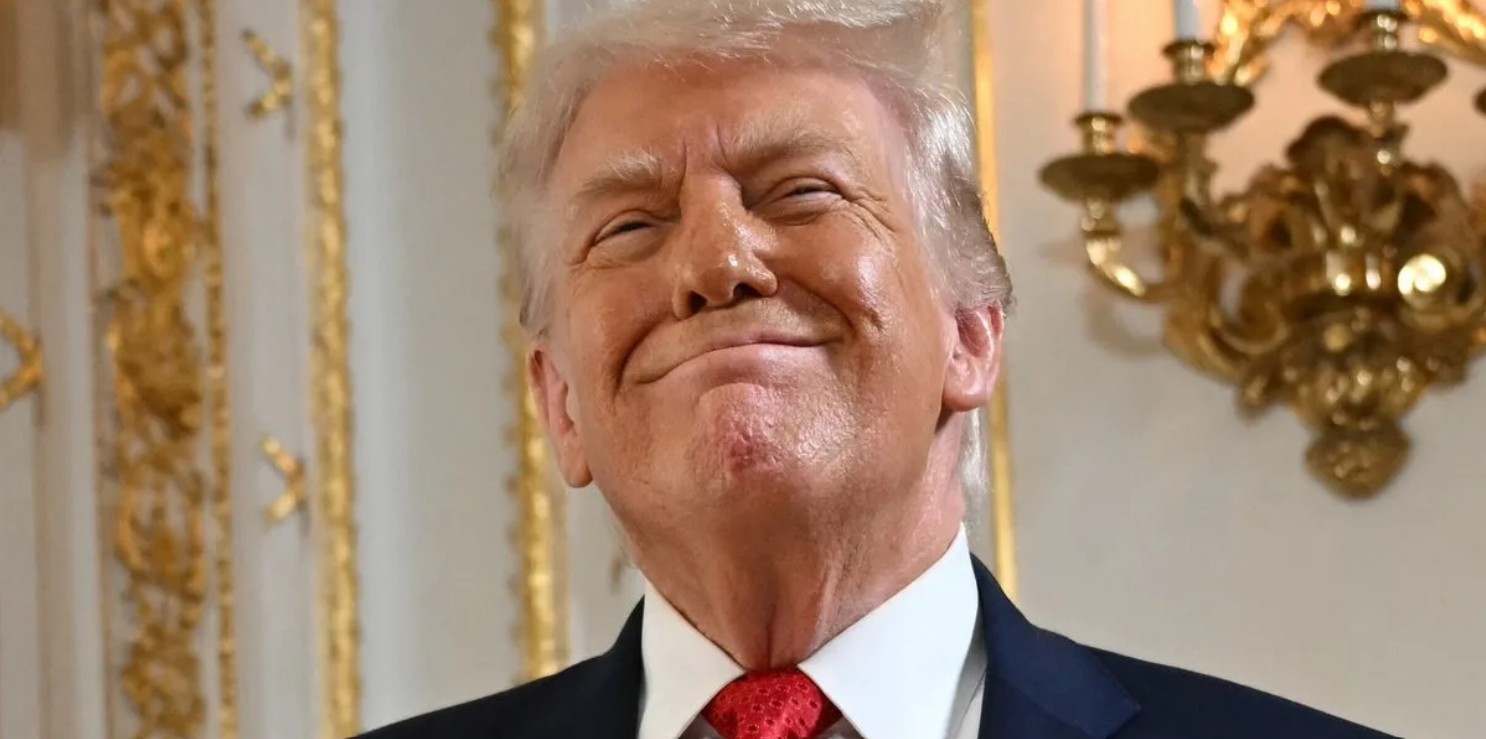
JANUARY 18, 2026 — Peace, but with a price tag? Donald Trump’s latest global project, the so-called Board of Peace, is making headlines not for its lofty mission but for its jaw-dropping membership fee. According to a draft charter reported by Bloomberg, nations that want a permanent seat at Trump’s table must cough up US$1 billion — roughly ₱56 billion. No billion, no seat. Simple as that.
The White House insists the report is “misleading,” claiming there’s no minimum fee and that membership is about “commitment to peace, security, and prosperity.” But the draft charter says otherwise: countries that pay the billion-dollar fee get to skip the three-year membership limit. In other words, cash buys permanence.
Trump as chairman, cash as king
Trump would serve as the inaugural chairman, with sweeping powers to approve members, renew terms, and even decide the group’s official seal.
The charter states: “Each Member State shall serve a term of no more than three years … The three-year membership term shall not apply to Member States that contribute more than USD $1,000,000,000 in cash funds.”
Translation? Pay up, and you’re in for good.
Critics worry this is Trump’s attempt to build a rival to the United Nations, an institution he has long criticized. The board is described as “an international organisation that seeks to promote stability, restore dependable and lawful governance, and secure enduring peace.”
Noble words — but can peace really be bought?
The Philippine angle: ₱56 billion for a seat?
For Filipinos, the idea of paying ₱56 billion just to sit at Trump’s peace table is laughable. That’s money that could fund classrooms, hospitals, disaster relief, or even bolster our own peace efforts in Mindanao. Imagine telling taxpayers their hard-earned pesos are going to secure a chair in Trump’s billionaire’s club. Would anyone buy that?
And let’s not forget that Trump would control the agenda, the meetings, and even who gets booted out. The charter gives him the power to remove members, subject only to a two-thirds veto.
That’s not diplomacy — it’s monopoly.
Global pushback
Unsurprisingly, not everyone is lining up to pay. Israeli Prime Minister Benjamin Netanyahu slammed Trump’s plan for Gaza, saying it wasn’t coordinated with his country. Several European nations are reportedly working together to push back against the proposals. Even allies are skeptical of a peace board where one man holds the purse strings and the power.
Trump has already invited leaders like Argentina’s Javier Milei and Canada’s Mark Carney to join, but the draft suggests Trump himself would control the money — a detail many nations find unacceptable.
Peace or prestige?
So here’s the burning question: Is this about peace, or prestige? If peace becomes transactional, smaller nations like the Philippines risk being sidelined. And if Trump’s board gains traction, it could reshape global diplomacy into a pay-to-play system.
But if it fails, it will be remembered as another Trump spectacle — an attempt to privatize peace and turn diplomacy into a billionaire’s playground.
The bigger picture
For ordinary Filipinos, this story isn’t just about Trump. It’s about how global power plays affect us. If peace is for sale, who gets left behind? Should we even aspire to join such a board, or should we focus on strengthening ASEAN, where cooperation isn’t dictated by billion-dollar fees?
Trump’s proposal forces us to confront an uncomfortable truth: in global politics, ideals are often wrapped in dollar signs. And when peace itself is commodified, the question becomes who can afford it, and who gets shut out?
Peace should never be for sale, because the moment it is, it stops being peace — and if the world starts playing by Trump’s rules, how long before smaller countries like the Philippines get pushed aside?
(Image: Yahoo)