
Iran allows Indian tankers through Strait of Hormuz in rare wartime exception
Margret Dianne Fermin • Ipinost noong 2026-03-19 09:03:08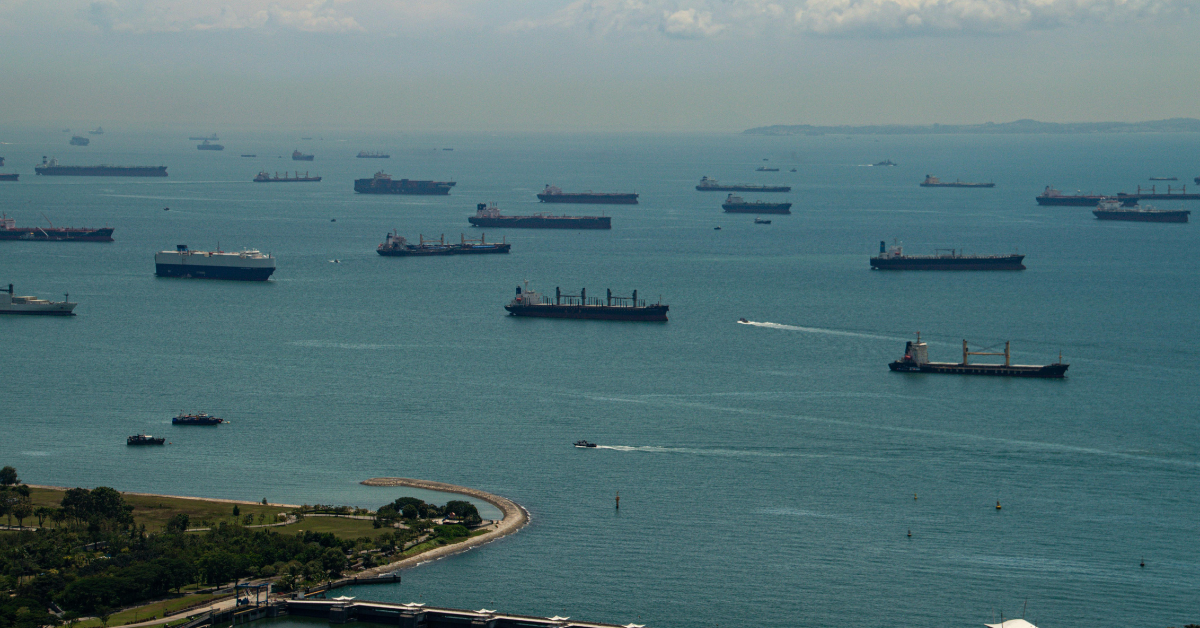
Iran has begun allowing tankers from friendly nations to cross the Strait of Hormuz despite the ongoing Middle East war, marking a rare exception in the otherwise restricted waterway. Indian-flagged LPG carriers were among the first to be granted passage, highlighting Tehran’s selective approach to maritime traffic.
On March 17, 2026, two Indian-flagged liquefied petroleum gas (LPG) tankers, the Shivalik and Nanda Devi, successfully transited the Strait of Hormuz after being cleared by Iranian authorities. The vessels, carrying nearly 92,700 metric tonnes of LPG, later docked at ports in Gujarat, India. Maritime trackers confirmed that Iran is vetting ships from countries it considers friendly, allowing them safe passage through the critical chokepoint.
The Strait of Hormuz, through which about one-fifth of the world’s oil and liquefied natural gas normally flows, has been heavily disrupted since the outbreak of war between Iran and US-Israeli forces on February 28. Tehran’s forces have closed off the waterway to vessels from the US and its allies, with multiple attacks reported on ships in the Persian Gulf, Gulf of Oman, and surrounding waters.
Iran’s selective clearance of tankers underscores its strategy of rewarding allies while tightening restrictions on adversaries. Analysts noted that at least five ships exited the Strait via Iranian waters between March 15 and 16, suggesting that Tehran is gradually opening the corridor to trusted partners.
The move comes amid heightened tensions, with US defense officials warning of possible Iranian mine-laying operations in the Strait, though they admitted there is “no clear evidence” of such activity. Washington has vowed to keep the waterway open, while regional states like Saudi Arabia, Bahrain, and the UAE continue intercepting Iranian missiles and drones.
For global energy markets, the passage of Iran-friendly tankers offers limited relief but does little to ease the broader crisis. Oil prices remain volatile, and shipping companies face uncertainty over whether their vessels will be deemed acceptable by Tehran. The situation highlights the geopolitical leverage Iran holds over one of the world’s most vital maritime arteries.